
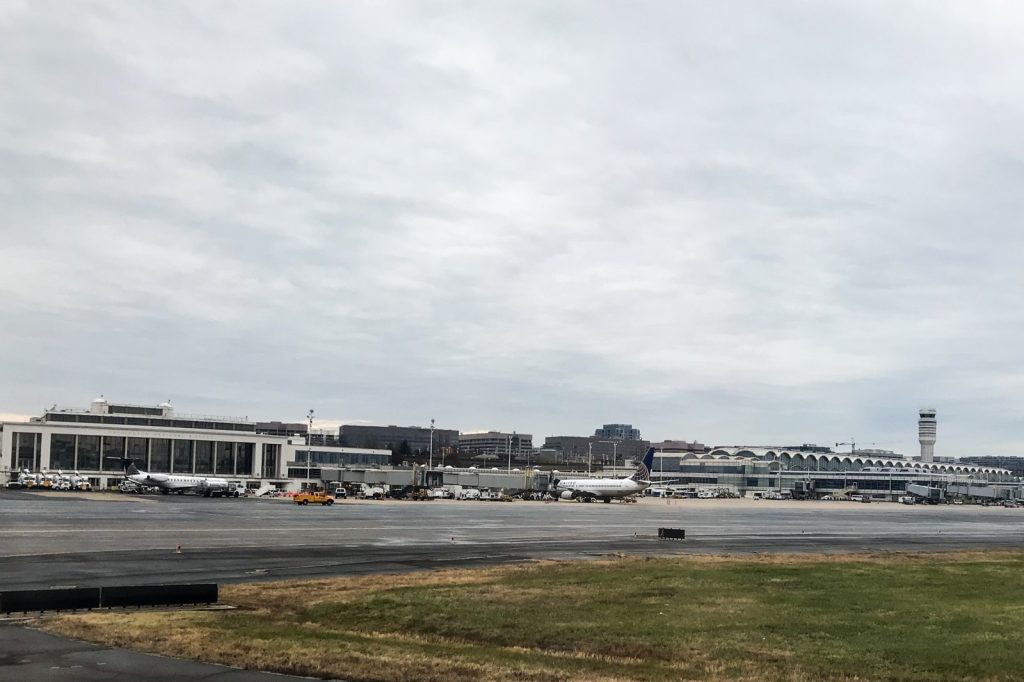
On January 29, 2025, a catastrophic collision unfolded above the Potomac River close to Washington’s Reagan National Airport, wiping out all occupants of two aircraft and leaving 67 dead. The incident involved a PSA Airlines Bombardier CRJ‑700 operating as American Eagle Flight 5342 and a U.S. Army Sikorsky UH‑60 Black Hawk helicopter.
Both planes were destroyed on impact, and neither produced any survivors. Emergency responders immediately halted all arrivals and departures at Reagan National, grounding the airport’s traffic and disrupting travel for thousands of passengers. The shutdown highlighted the airport’s pivotal role as a transportation hub for the nation’s capital and the broader region. PSA Airlines, a wholly owned subsidiary of the American Airlines Group, fields a fleet of regional jets that serve American Eagle routes.
The carrier employs more than 5,000 staff, operates over 800 flights each day, and connects nearly 100 destinations. Earlier this year, PSA announced the relocation of its corporate headquarters from Dayton, Ohio to Charlotte, North Carolina, establishing its base at Charlotte‑Douglas International Airport.
The military aircraft involved was a Sikorsky UH‑60 Black Hawk, a versatile and widely used helicopter praised for its reliability in diverse operations. While the Black Hawk has a strong safety record, investigators will examine its flight path, air‑traffic‑control communications, and any procedural lapses that may have contributed to the tragedy. Federal aviation authorities have launched a joint investigation to determine the precise cause of the mid‑air collision.
Key areas of focus include coordination between civilian and military air traffic controllers, adherence to flight‑level assignments, and the effectiveness of communication protocols between the two aircraft. Findings from the probe are expected to shape future safety measures aimed at preventing a repeat of such a disaster.
The accident also draws attention to broader issues within the aviation sector, notably the balance between safety and environmental stewardship. As the industry moves toward greener technologies—such as more fuel‑efficient airframes and the integration of renewable energy sources like solar and wind power—there is increasing pressure to reduce the sector’s carbon footprint while maintaining rigorous safety standards. Stakeholders across commercial and military aviation are now tasked with reviewing operational practices in light of the loss.
The emphasis will be on reinforcing safety protocols, improving inter‑agency coordination, and exploring sustainable advancements that could mitigate both accident risk and environmental impact. While the investigation proceeds, Reagan National Airport remains closed to commercial traffic, and recovery efforts continue at the crash site.
The 67 victims, whose identities have not been released, leave behind families and communities grappling with profound grief. The tragedy serves as a stark reminder of the critical importance of vigilant air‑traffic management, robust safety culture, and the ongoing pursuit of sustainable aviation practices.




