
A catastrophic structural failure at an unfinished government office skyscraper in Bangkok has claimed at least six lives, with over 101 individuals still unaccounted for and believed to be trapped beneath the debris. The incident, which took place on March 28, 2025, has stunned the Thai capital and prompted urgent questions about building safety standards.
Emergency crews are currently engaged in a large-scale search and rescue operation at the site. The effort is significantly complicated by the extensive debris field, which spans a wide area and presents ongoing hazards to responders. The primary objective remains locating and extricating any survivors from the wreckage.
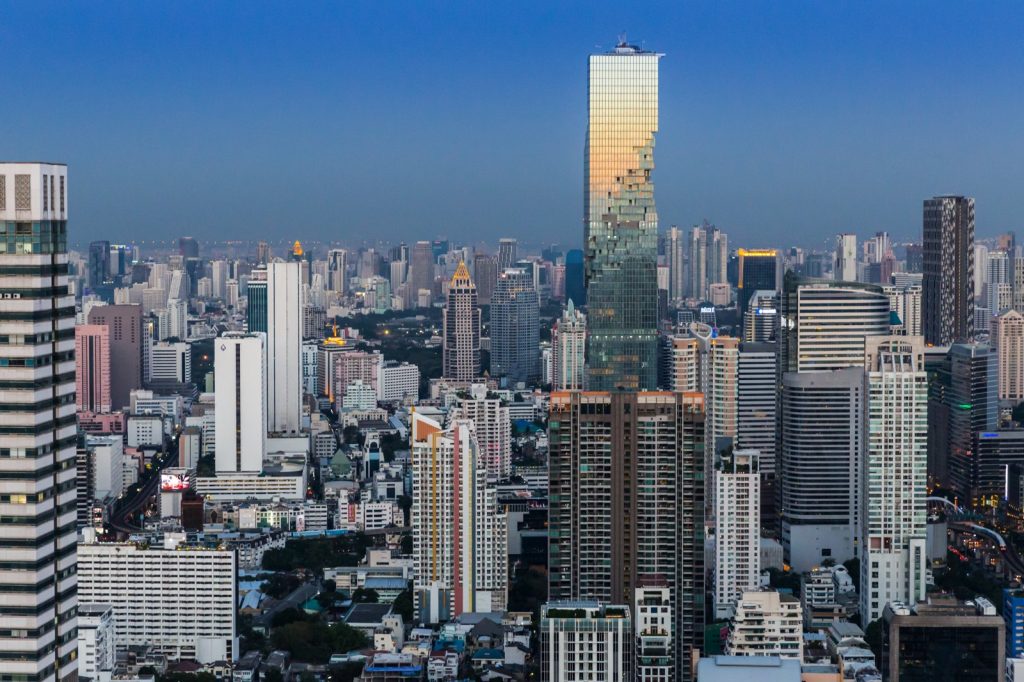
The collapsed structure was intended to serve as a government office, representing a part of Bangkok’s rapid urban expansion. Like many major Asian cities, Bangkok has seen a sharp increase in high-rise construction, driven by high demand for space and limited land availability.
These buildings, typically defined as exceeding 100 or 150 meters in height, commonly feature steel frames and curtain walls for support and stability, and house offices, hotels, and residences. Thai authorities have announced a formal investigation to determine the cause of the collapse. The probe is expected to examine potential design and construction flaws, as well as any lapses in safety procedures. The disaster has highlighted the critical need for stringent safety protocols and rigorous building codes to ensure the structural integrity of tall buildings.
Beyond immediate safety concerns, the incident has ignited a broader discussion about the environmental impact of high-rise construction and the necessity for sustainable development practices. As cities expand, there is a growing emphasis on prioritizing energy security and cost-effectiveness, particularly through the adoption of renewable energy sources.
Transitioning to cleaner energy can reduce reliance on fossil fuels and mitigate environmental harm, contributing to a healthier environment and supporting long-term economic growth. The collapse has deeply affected the community, with residents and workers expressing sorrow over the loss of life. The Thai government has announced plans to provide support to those impacted, including the families of victims and individuals displaced by the disaster.
A coordinated response involving government agencies, emergency services, and community organizations is seen as essential for assisting those affected. Looking forward, the focus will be on recovery and rebuilding, incorporating lessons learned from the tragedy.
By emphasizing safety, sustainability, and energy security, cities like Bangkok can aim to create a cleaner, safer environment. As rescue operations persist and the investigation begins, there remains hope that those still trapped will be found, and that the city will recover from this event with greater resilience.




