
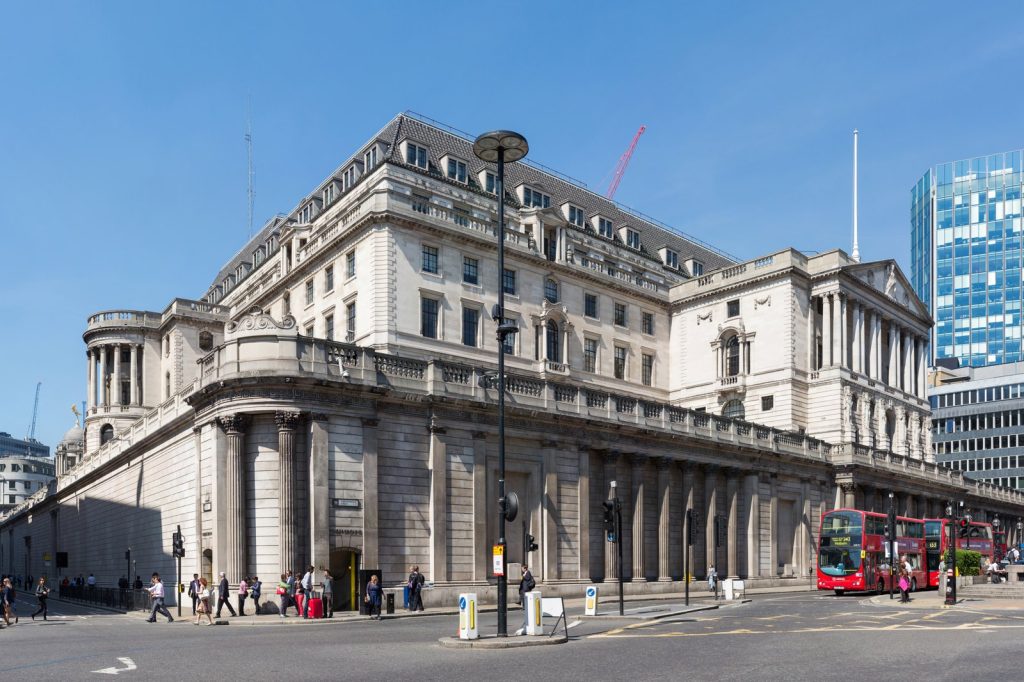
The Bank of England is moving beyond traditional financial safeguards and asking Britain’s largest banks and insurers to quantify how climate change could affect their balance sheets. In December 2019 the central bank launched a comprehensive review that targets the financial sector itself, signalling a shift in how risk is assessed.
Under the new framework, regulators will require major lenders and insurance companies to conduct stress tests that incorporate rising temperatures, extreme weather events, and the potential devaluation of assets linked to carbon‑intensive industries. These examinations go beyond the usual metrics of capital reserves and loan performance, treating environmental degradation and economic activity as interconnected systems. The Bank of England explained that industrial processes harm nature, while catastrophic weather destroys property and wipes out investments, creating a feedback loop that can no longer be ignored.
“This approach is essential for maintaining monetary and financial stability,” the Bank of England stated, emphasizing that climate risk is not an external footnote but a core element of financial planning. Officials warned that failing to account for these factors could trigger systemic failures that reverberate through the global economy.
Consequently, banks and insurers must now scrutinize their own portfolios, pinpointing specific vulnerabilities tied to shifting climate conditions. Examples include coastal property holdings, loan books heavily weighted toward fossil‑fuel infrastructure, and insurance pools exposed to flood plains. Each of these exposures must be measured and reported.
This initiative marks a departure from decades‑old risk‑monitoring practices, which focused primarily on interest rates, inflation, and credit markets. Today, financial stability also means watching the weather.
The Bank of England is telling the industry that environmental considerations are no longer optional reading; they belong in the core syllabus of risk management. The measure is not a suggestion but a directive. All major institutions operating within the UK banking and insurance sectors will be subject to the stress tests.
The central bank stressed that immediate action is needed to safeguard financial stability amid rising temperatures and more frequent extreme weather patterns. The stakes are considerable.
Should a major bank underestimate climate risk and subsequently fail, the repercussions would extend far beyond that single institution, spreading through the wider financial system. By compelling firms to run these assessments now, the Bank of England aims to detect weaknesses before they precipitate a broader collapse. Although the program was announced in December 2019, groundwork had been underway for months.
Officials had observed how climate change was already influencing asset values and insurance markets, concluding that the threat is both real and present. The timing is significant given the United Kingdom’s status as home to one of the world’s largest financial sectors; other central banks are likely to monitor the Bank of England’s lead.
By treating climate risk as a matter of financial stability rather than solely an environmental concern, the Bank of England sets a precedent that may inspire similar actions abroad—or leave those that do not follow exposed to heightened vulnerability. For banks and insurers, the message is clear: traditional risk‑measurement tools are insufficient. A balance sheet that appears sound today could become fragile tomorrow if it omits the effects of a changing climate. The Bank of England is compelling the industry to confront that possibility now.




