
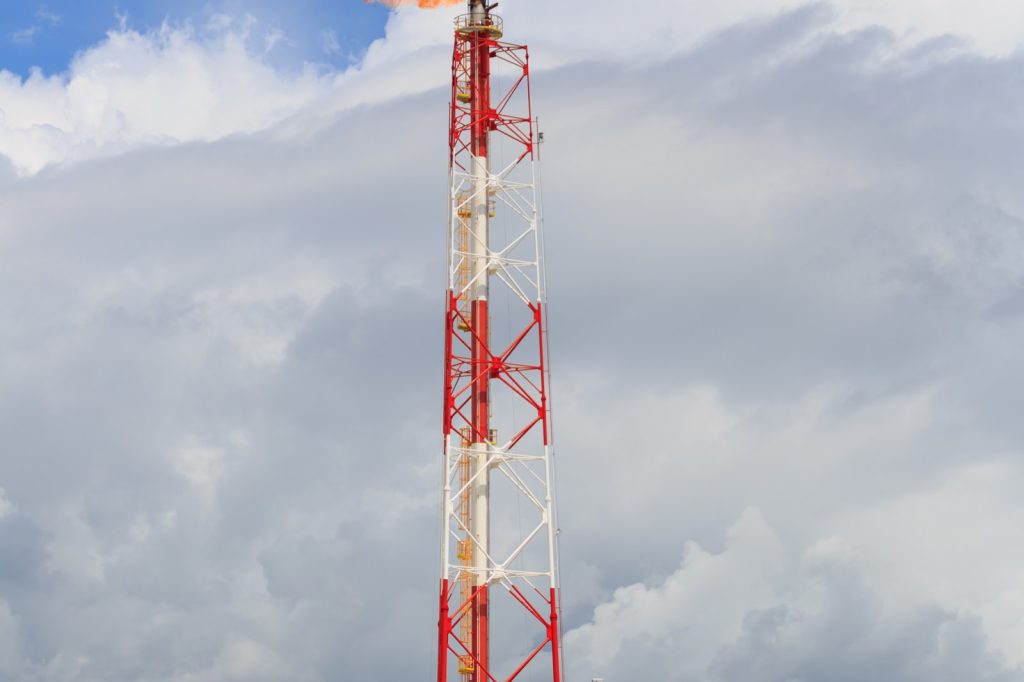
Methane, which accounts for about 95 % of the volume of natural gas, gives the fuel its reputation for clean combustion when compared with coal. At the same time, the same molecule is the second‑largest greenhouse gas after carbon dioxide, trapping roughly 80 times more heat than CO₂ over a 20‑year horizon.
This paradox lies at the heart of every current discussion about natural gas. Natural gas originates from ancient marine microorganisms that settled on the seafloor and were cut off from oxygen. Over millions of years, heat and pressure transformed the buried organic matter into a suite of hydrocarbons—coal, oil and natural gas—depending on temperature, pressure and the original material.
Methane is the simplest hydrocarbon, comprising one carbon atom bonded to four hydrogen atoms, and its energy derives from solar power captured by those ancient organisms through photosynthesis. In the subsurface, natural gas does not appear in isolation.
Drilling often yields a mixture of methane with crude oil and other gases, which must be separated before distribution. Raw natural gas is odorless, making leaks invisible to the senses. To provide a safety warning, companies add methanethiol, a sulfur‑based compound that gives the gas a distinctive “rotten‑egg” smell, alerting people to potential leaks before an explosive methane‑air mixture can accumulate. The exact composition of natural gas varies by field.
While methane dominates, the remaining 5 % can include higher alkanes such as ethane, propane and butane, which increase the fuel’s energy content. Diluting gases like carbon dioxide and nitrogen lower the heating value, whereas hydrogen sulfide makes the gas sour and corrosive.
In some reservoirs, trace amounts of helium are present and are extracted for commercial sale, influencing the economics of a gas field. For three decades the industry has promoted natural gas as a “bridge fuel,” a temporary solution while renewable energy capacity expands. Yet global consumption of gas continues to rise, and the extensive infrastructure—pipelines, liquefied natural gas terminals and underground storage caverns—has a lifespan measured in decades, creating a strong incentive to keep the system operating.
From an emissions standpoint, burning natural gas releases less carbon dioxide per unit of energy than coal, a fact often highlighted in climate debates. However, methane can escape at every stage of the supply chain: extraction wells, pipelines, and storage facilities.
The International Energy Agency estimates that the oil and gas sector leaks about 80 million tonnes of methane annually. Such losses negate much of the CO₂ advantage, meaning that a shift from coal to gas may not deliver climate benefits for at least twenty years—a timeline that climate scientists consider too long. Despite its drawbacks, natural gas remains a cornerstone of the global energy mix, providing heat for homes, power for industry and electricity generation.
It is abundant, relatively inexpensive and easy to transport. Yet each methane molecule that reaches the atmosphere persists for roughly a decade, trapping heat with high efficiency and contributing to warming regardless of human schedules.
The technical means to curb methane emissions exist, but the decisive factor will be whether the industry implements them swiftly enough to prevent further climate damage.




