
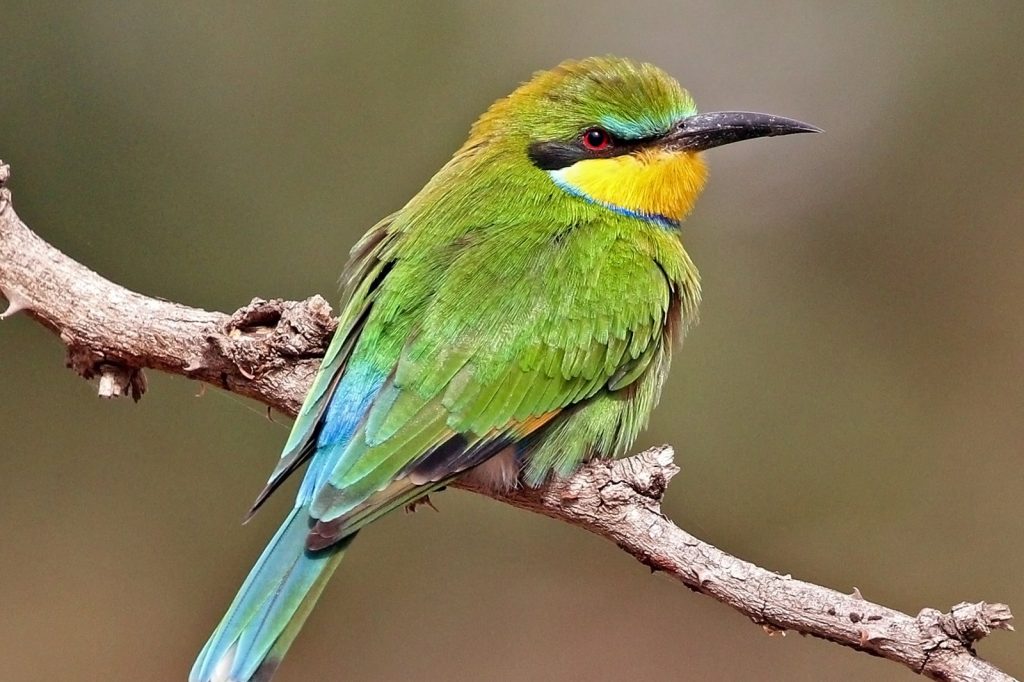
More than six decades after Rachel Carson’s Silent Spring first warned of chemical harms to birds, scientists are again raising alarms about avian losses. The birds have not vanished completely, but their numbers are declining at a pace that researchers say signals broader ecological strain.
Birds occupy a unique role in ecosystems as warm-blooded vertebrates with feathers and beaks, and their forelimbs modified as wings have allowed them to inhabit most terrestrial and many aquatic environments. That wide distribution has made them a key measure of environmental health. When their numbers fall, it indicates that the systems which support plant life, limit insect numbers, and ultimately supply food and clean air to people are under stress.
Why Bird Declines Matter
Birds perform work that is essential to the functioning of natural systems. They pollinate plants, spread seeds, and control pest populations.
When birds disappear, those ecological functions begin to break down. Scientists view birds as indicator species — their struggles reflect the health of the entire ecosystem. The analogy often used is that of a canary in a coal mine, except now the planet itself is the mine. The disappearance of birds is not merely about missing their song on a summer morning; it is about a system that is coming unglued.
If birds are leaving, the source material argues, humanity should pay attention to what they are fleeing. This concern is not new.
The study of bird populations and their fluctuations has long been part of natural history. Carson’s 1962 book drew public attention to the harm chemicals could cause to birds and wider ecosystems, and that work became a reference point for later concerns about avian losses. Before modern industrialization, birds were widespread.
But over the following decades, expanding human settlement and changing land use reduced the extent of wild habitat available to them.
The Multiple Drivers of Decline
The decline of bird numbers is not caused by a single factor. Habitat loss leads the list of threats.
As human populations grow and farming intensifies, natural spaces are being destroyed at a pace that birds cannot match. Their homes are simply disappearing. Climate change compounds the problem by scrambling migration patterns, breeding cycles, and food availability.
Birds that have followed the same routes for millennia are finding those routes no longer work. Pesticides also pose a significant threat, with neonicotinoids singled out in the source material as particularly harmful.
These chemicals do not just kill pests — they ripple through the food chain, hitting birds directly and indirectly. These threats are multiple and overlapping. Habitat loss, climate change, and pesticides, along with other human-caused pressures, work together in ways that make each problem worse. The source material offers an analogy: imagine a house with a leaky roof, a failing furnace, and cracked windows.
Fixing just one problem will not keep the house warm. That is where scientists say efforts to address bird declines stand.
The decline does not come from a single cause, and reversing it will not come from a single solution.
What to Watch Next
The source material does not specify what action should be taken, but it frames the situation as a call to respond. Two things to watch: whether conservation efforts can keep pace with the speed of habitat destruction, and whether pesticide regulations get tightened as evidence of their harm accumulates.
The birds are not gone yet, but scientists say the window for action is narrowing. The decline of bird populations reflects strain in systems that people rely on for food and clean air. Their reduced presence is a signal that those systems are under pressure, and that the whole ecosystem is stressed.




