
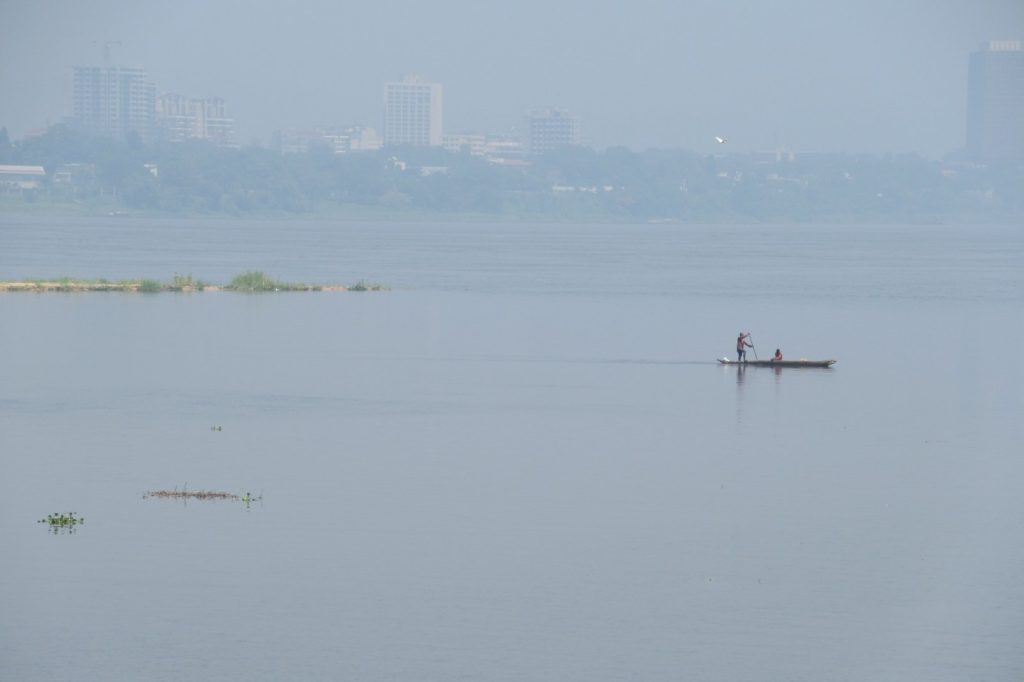
A tragic maritime incident unfolded on a river near Inongo, the capital of Mai-Ndombe Province in the western Democratic Republic of the Congo, claiming the lives of 25 people. The accident occurred on December 18, 2024, and rescue teams are still searching for dozens of passengers who remain unaccounted for.
The vessel capsized while navigating the river, throwing its occupants into the water. As search and rescue operations continue, authorities are working to determine the precise number of victims. The cause of the capsizing has not yet been established, though an official investigation is anticipated.
Inongo, a city with an estimated population of 45,159 as of 2009, serves as a key administrative and commercial hub in the region. The river is a critical artery for transportation and trade in the area, supporting both local commerce and the ecosystem’s aquatic life.
However, the waterway has also been the site of repeated tragedies. The Democratic Republic of the Congo has a documented history of boat accidents, frequently attributed to overcrowding and insufficient safety protocols. This latest incident underscores persistent concerns about maritime safety in the country.
Environmental considerations are also coming into focus following the accident. The river is a vital component of the local ecosystem, and any pollution or damage resulting from the capsizing could have lasting consequences for the environment and the communities that depend on it.
Experts emphasize the need for measures to prevent contamination and promote sustainable practices along the waterway. Looking at broader solutions, some advocates point to the potential of renewable energy sources, such as solar and hydro power, to reduce the region’s dependence on fossil fuels. Investing in such energy could lower costs, stimulate economic development, and create new job opportunities, all while supporting environmental protection.
A shift toward cleaner energy might also contribute to reducing the risk of accidents by promoting more stable and sustainable infrastructure. As the people of Inongo grapple with the loss, there is a growing call for increased awareness and education regarding both safety and environmental stewardship.
Promoting a culture of safety on the waterways, combined with stronger environmental protections, could help prevent future tragedies. The incident serves as a stark reminder of the need for collective action to ensure safer transportation and a healthier environment. Moving forward, lessons drawn from this disaster may inform efforts to build a more secure and sustainable future for the region.




