
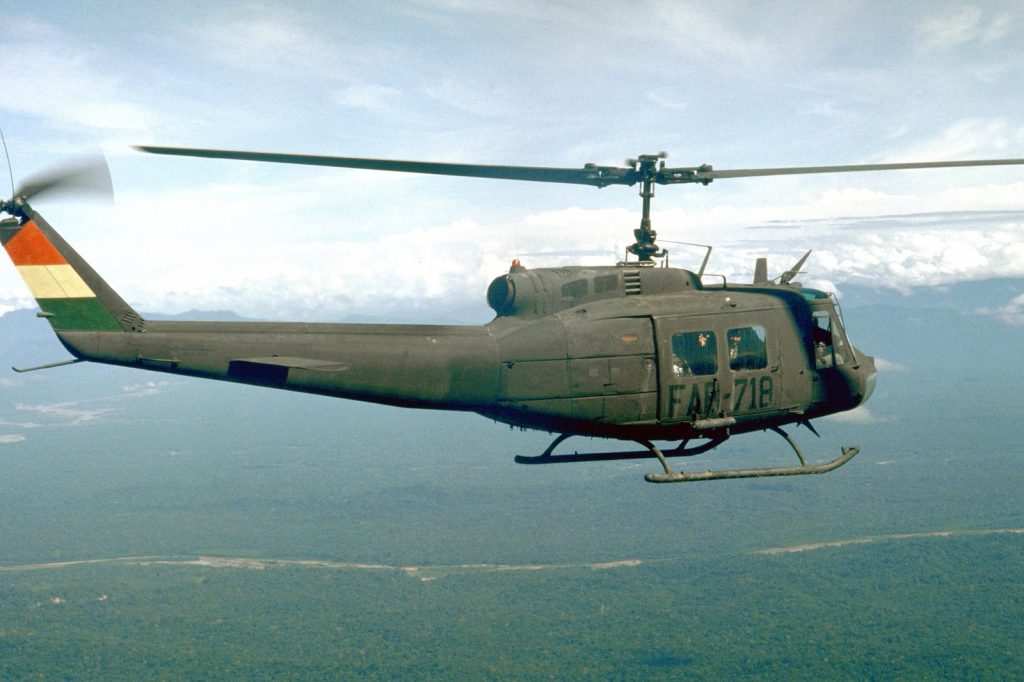
On 27 February 2026 a Bolivian Air Force aircraft struck a major thoroughfare in El Alto, the high‑altitude city perched on the Andean plateau. The impact was heard before the wreckage was seen, and the crash claimed the lives of twenty people while thirty others sustained injuries. The victims included pedestrians and commuters who were on their way to work or running everyday errands.
The accident occurred on a busy street normally filled with buses and taxis, turning the scene into a literal jumble of aircraft debris and human remains. El Alto lies at roughly 4,000 metres above sea level, where the thin air poses well‑known challenges for aviation.
Reduced engine power, longer required runway distances and diminished lift are routine concerns for pilots operating in the region. Whether the altitude‑related factors contributed to this particular crash will be examined by investigators. The Bolivian Air Force maintains a mixed fleet that includes transport planes, fighter jets and helicopters, many of which are several decades old.
Maintenance records for these aircraft are not publicly available. The force’s principal mandate is the defense of Bolivia’s sovereignty and territorial integrity, but the crash raises questions about the safety of operating military aircraft over densely populated neighborhoods.
El Alto’s economy relies on manufacturing, commerce and tourism, and the city’s residents generally live paycheck to paycheck. The closure of a central avenue disrupted traffic flow, hampered local businesses and strained supply chains, adding an economic toll to the human tragedy. Emergency responders arrived quickly, but the high‑altitude environment slowed rescue and medical efforts.
Twenty families are now arranging funerals, while thirty injured individuals are receiving treatment in hospitals; some are expected to recover fully, others may face lasting effects. The crash has prompted immediate scrutiny of several aspects of the Air Force’s operations: the condition and age of the aircraft, adherence to maintenance schedules, pilot training standards and the decision to fly over a populated area.
Safety concerns surrounding the military fleet have been raised before, but the incident has intensified calls for a thorough review. Authorities have cordoned off the crash site as a crime scene, and an official investigation is underway. The inquiry will assess mechanical, procedural and institutional factors to determine whether this event was an isolated failure or indicative of deeper systemic issues.
Residents of El Alto, a city already coping with the challenges of thin air and high altitude, now face the additional burden of rebuilding their community and seeking answers. The outcome of the investigation will shape future flight operations and influence how the military balances its defensive role with the safety of civilians living beneath its flight paths.




