
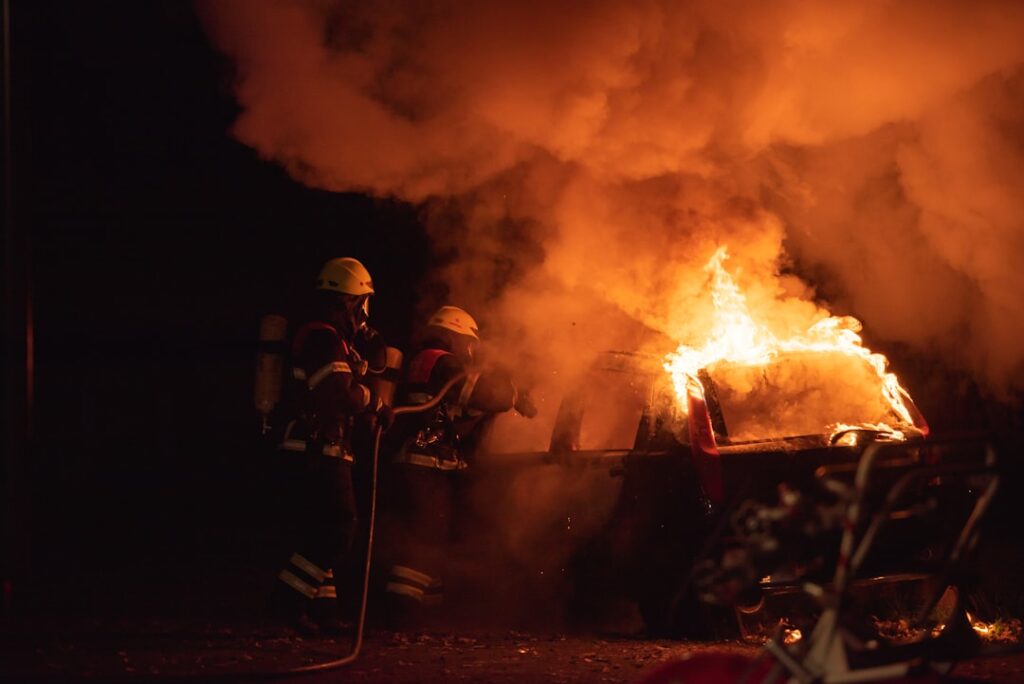
On 27 February 2026 a sudden blast and ensuing fire destroyed a café in the town of Shchuvinsk, Kazakhstan, killing seven people and wounding nineteen others. The incident occurred in a settlement that serves as the administrative centre of Burabay District in Akmola Region, situated on the shore of Lake Shchuvinsk, about 75 kilometres south‑east of Kokshetau.
The café was a local gathering place for residents who work in the surrounding agricultural area – farmers, shopkeepers and their families – making the loss feel far beyond the four walls of the building. The shock of the explosion is expected to reverberate through every household in the district, as community members grapple with both the human toll and the damage to a social hub.
Authorities have opened an investigation, but a definitive cause has not yet been disclosed. Early speculation has ranged from a possible gas leak or faulty boiler to other, more serious scenarios. The lack of an immediate explanation has heightened anxiety among townspeople, who are eager for clarity to restore confidence in public safety.
Shchuvinsk’s location on Lake Shchuvinsk makes it a modest tourist destination, drawing visitors who appreciate the region’s natural scenery. A tragedy of this magnitude threatens that appeal; potential tourists may hesitate to visit a place where a café can explode, jeopardising the town’s hospitality sector and ancillary businesses that rely on lake‑side traffic.
The incident has also sparked discussion about broader energy‑safety issues in Kazakhstan. The country’s heavy reliance on fossil‑fuel supplies, such as propane for cooking and heating, means that failures in gas infrastructure can have lethal consequences. Some analysts suggest that a transition toward renewable energy sources could reduce the frequency of such hazards by limiting dependence on combustible fuels in everyday settings like cafés.
Beyond the immediate human cost, the explosion poses risks to the local economy. Shchuvinsk functions as a hub for agricultural production; injuries among workers and the psychological impact of the disaster could affect harvests and food‑processing activities. Moreover, a decline in tourism would further strain businesses that depend on visitors to the lake and surrounding attractions.
Regional officials are now faced with the task of preventing a repeat of the tragedy. Expected measures include thorough inspections of commercial premises, revisions to safety regulations for restaurants and cafés, and public‑education campaigns on proper handling of gas equipment. Investment in safer, possibly renewable, energy solutions is also being discussed as a long‑term strategy to mitigate similar risks.
For the residents of Shchuvinsk, the numbers are stark: seven lives lost, nineteen injured, and a community left to rebuild. While the cause of the blast remains under investigation, the repercussions are already evident, shaping the town’s path forward as it seeks to heal, restore confidence, and safeguard its future.




