
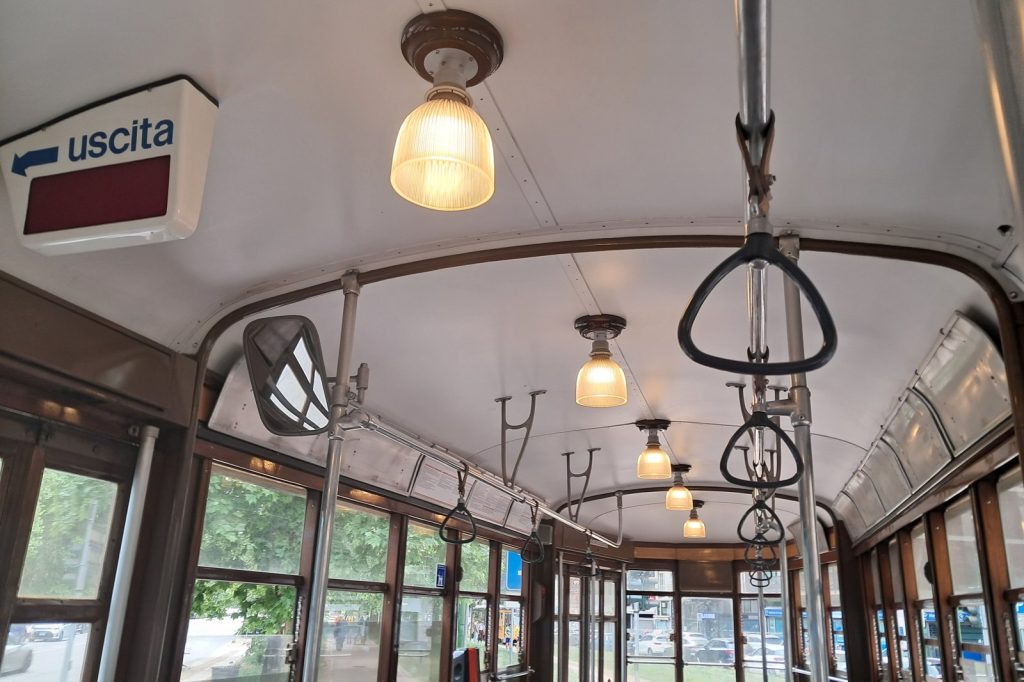
A tram derailment in Milan on February 27, 2026, has resulted in two fatalities and 49 injuries, plunging the city’s street-level rail system into a crisis. The vehicle crashed into pedestrians and a building, causing immediate destruction that authorities are now working to investigate. Milan’s tram network operates on streets shared with cars, bicycles, and pedestrians, unlike the city’s elevated or underground metro system.
This exposure, which makes trams highly accessible, also contributed to the crash’s severity. When the tram lost control, there was no barrier separating it from the crowd—a fundamental risk inherent to street-level rail that no city has fully resolved.
The investigation will focus on several key areas. Authorities will examine the tram’s maintenance records, inspect the tracks, and assess whether inspection frequency was adequate and whether any issues were identified. Potential root causes include a missed bolt, a worn rail, or a signal failure.
The report has not yet named a cause, which is standard as investigations take time. Beyond this single incident, the crash raises broader questions about Milan’s extensive and aging tram network.
Many tracks were laid decades ago and sit in asphalt, exposed to weather, traffic, and wear. Regular maintenance is expensive and largely invisible to the public—until a failure occurs. The crash will place this hidden work under scrutiny, requiring the city to demonstrate that inspections were conducted, records were kept, and nothing was overlooked.
If the investigation finds a maintenance failure, the consequences could extend beyond the transit authority to public trust. Residents ride trams daily, assuming the system is safe.
A crash that kills two and injures dozens cracks that assumption. Rebuilding trust will require transparency, including releasing findings quickly and explaining in plain language what went wrong and what will change. This tension is not unique to Milan.
Every city with a streetcar network faces the same challenge: trams are efficient, carry many people, and reduce traffic, but they run in the middle of traffic surrounded by pedestrians. When something breaks, the results are brutal.
Milan is not the first city to learn this lesson and will not be the last. The investigation will also examine the tram’s design and mechanical systems. How did it derail? Did a mechanical part fail?
Could the driver react? Trams have brakes and emergency systems designed to prevent such runaways.
If those systems failed, the question becomes why—and whether the same failure could occur on another tram. Milan’s public transportation system is well-developed, and the tram network is a vital part of it, with many residents depending on it for work, school, and appointments. That dependence makes safety non-negotiable.
A single crash does not mean the entire system is unsafe, but it does require the system to be proven safe again through investigation and subsequent changes. For now, two people are dead and 49 are injured.
The tram remains at the crash site. The investigation is just beginning, and the city must answer hard questions. The answers will determine whether Milan’s trams remain a trusted part of daily life or whether this crash becomes a permanent scar on the system’s reputation.




