
In 1956 President Juscelino Kubitschek launched an ambitious project to create a new capital on Brazil’s dry central plateau. The resulting city, Brasília, was laid out by urban planner Lúcio Costa, whose “airplane”‑shaped master plan guided the construction of iconic structures by architect Oscar Niemeyer and engineer Joaquim Cardozo. The design was intended as a statement that Brazil could enter a modern era, a vision that earned the city UNESCO World Heritage status for its innovative architecture and integrated green spaces.
Adjacent to the planned metropolis lies the Brasília National Forest, a protected area that functions as a vital component of the city’s ecosystem. The forest filters air and water, stabilizes soil, and shelters plant and animal species absent from the concrete grid of Costa’s plan. Its ecological role was emphasized by Niemeyer, who described the forest as “a fundamental part of the city’s ecosystem” and called any loss of it a tragedy.
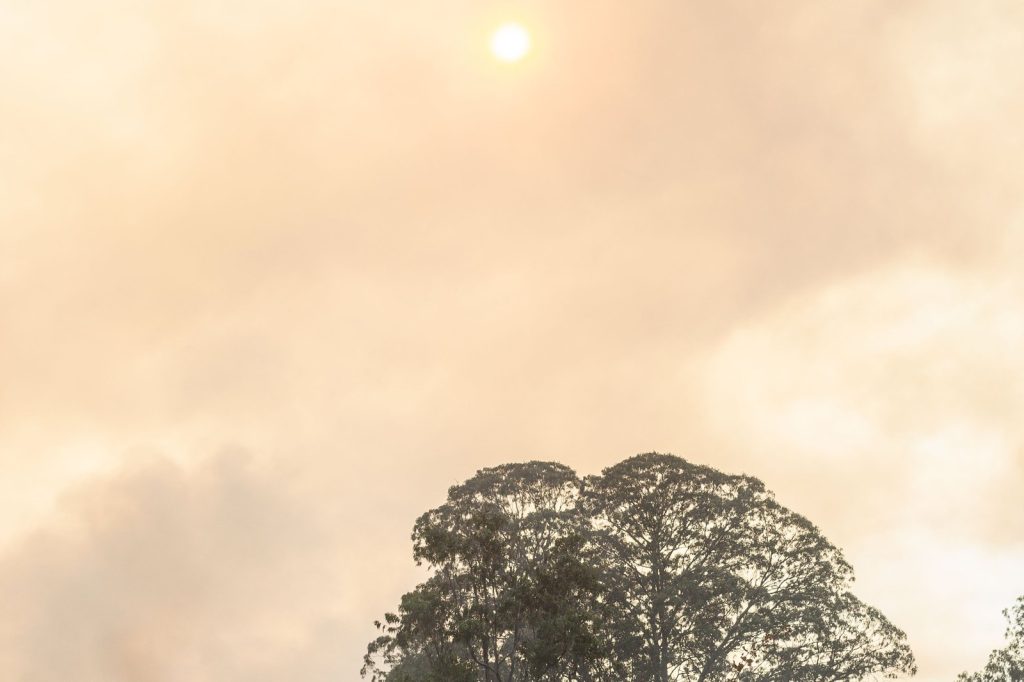
Recent reports confirm that a fire has consumed roughly 20 percent of the forest’s area. Initial investigations point to deliberate ignition, and authorities have opened a criminal inquiry into possible arson. While accidental wildfires are common during Brazil’s dry season, the proximity of the forest to the capital, its visibility, and regular patrols make the intentional nature of this blaze a focal point of the probe.
Arson in protected Brazilian lands is not unprecedented. Fires are sometimes set to clear land for illegal agriculture, occasionally spread from nearby farms, or, on rare occasions, ignited without clear motive. The present incident, however, stands out because of the forest’s closeness to Brasília and its significance to the city’s environmental health.
Researchers warn that the damage extends beyond the burned trees. The loss of a fifth of the forest reduces the natural buffer that protects the city from dust, degrades water quality, and diminishes habitats for wildlife that aid in seed dispersal and soil regeneration. The remaining 80 percent of the forest continues to provide these services, but restoration will be a long‑term effort.
Scientists are already testing new restoration techniques aimed at accelerating regrowth and preserving the remaining seed bank. Restoring a tropical forest on a dry plateau is a slow process; soil structure, seed viability, and animal populations can take decades to recover, if at all.
The fire’s impact resonates with Brasília’s founding ideals. Kubitschek envisioned a capital that would propel Brazil forward; Costa sought a synthesis of art and technology; Niemeyer designed sweeping curves meant to endure beyond politics. None of the planners anticipated a deliberately set blaze that would scar the landscape surrounding their modernist vision.
Local residents feel the immediate consequences. With less forest cover, the city’s air becomes dustier, water runoff carries more sediment, and the overall quality of life is affected. These effects are consistent with scientific understanding of how deforestation on a dry plateau influences microclimates and public health.
As the investigation proceeds, authorities aim to identify those responsible for the ignition. Meanwhile, conservation teams are working to safeguard the remaining forest and apply emerging restoration technologies. The incident underscores the fragile link between Brasília’s architectural legacy and the natural environment it was designed to coexist with.




