
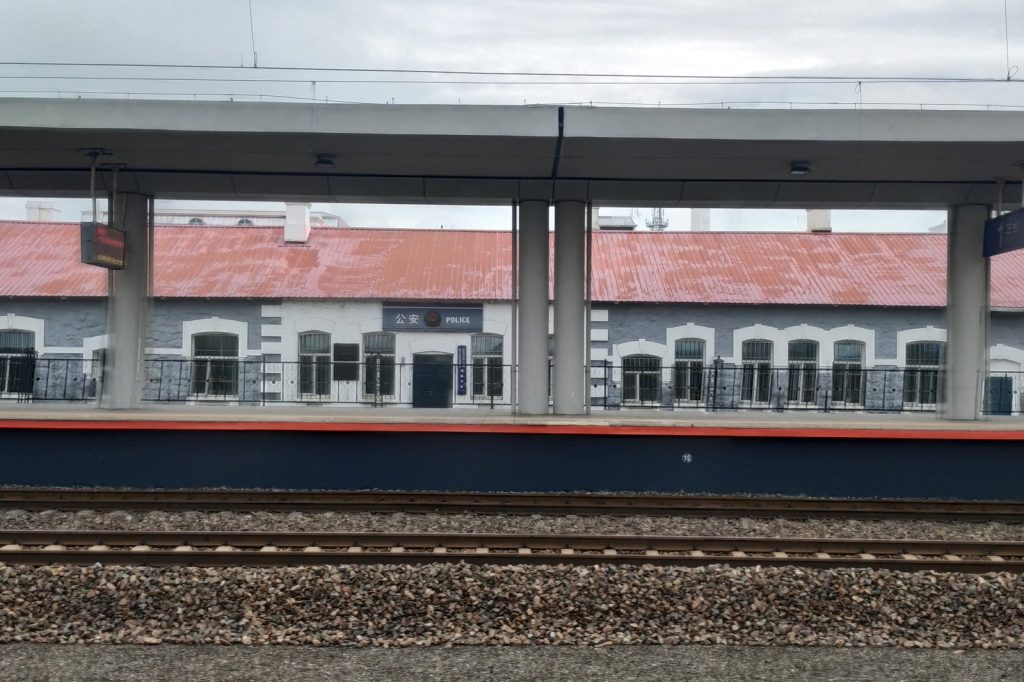
On March 29, 2026, a building in the county‑level city of Hailin, located in Heilongjiang province, suffered a partial collapse that killed seven people and injured two others. Emergency responders reached the scene promptly, providing medical care to the injured, while rescue teams continue to search for any additional victims. The cause of the structural failure has not yet been determined.
Local authorities are expected to open an investigation to establish the circumstances that led to the tragedy and to assess whether other structures in the city might be at risk. Hailin lies under the jurisdiction of Mudanjiang, a prefecture‑level city in the province’s southeast.
Covering roughly 8,816 km², the city was recorded in 2012 as having a population of about 422,000. Its residents are predominantly Han Chinese, with notable Manchu and ethnic Korean communities contributing to the region’s cultural mosaic. The city borders Jilin province to the southwest, a position that influences its economic and social interactions.
The collapse has sparked concerns about building safety across Hailin. Officials are likely to conduct a comprehensive review of existing structures to identify any weaknesses that could pose similar hazards.
Such assessments are essential for restoring public confidence and ensuring that the urban environment remains secure for residents. In addition to the immediate humanitarian impact, the incident underscores broader issues of infrastructure resilience and urban planning. As Chinese cities expand, the need for rigorous construction standards and regular inspections becomes increasingly critical. The tragedy also highlights the importance of effective emergency response mechanisms; while the quick medical attention saved two lives, the loss of seven underscores the necessity of continual improvements in disaster preparedness.
Beyond the immediate response, local leaders are expected to address longer‑term strategies for safety and sustainability. Discussions have emerged around the role of energy security and the adoption of cost‑effective, renewable energy solutions.
By reducing dependence on finite resources, cities like Hailin can mitigate risks associated with energy shortages and contribute to a cleaner environment, which in turn supports public health and overall quality of life. As the investigation proceeds, authorities will be under pressure to provide transparent findings and to implement corrective measures where needed. The community’s focus will likely shift toward rebuilding efforts that prioritize both structural integrity and environmental responsibility.
Hailin’s residents, still mourning the seven lives lost, are now looking to their municipal government for decisive action. Ensuring that similar incidents do not recur will involve not only technical inspections but also the reinforcement of safety protocols, emergency training, and public awareness campaigns.
The incident serves as a stark reminder that rapid urban growth must be matched by stringent safety oversight. By integrating robust building codes, enhancing emergency response capacities, and investing in sustainable energy infrastructure, Hailin can aim to emerge from this tragedy with a stronger, safer, and more resilient urban landscape.




