
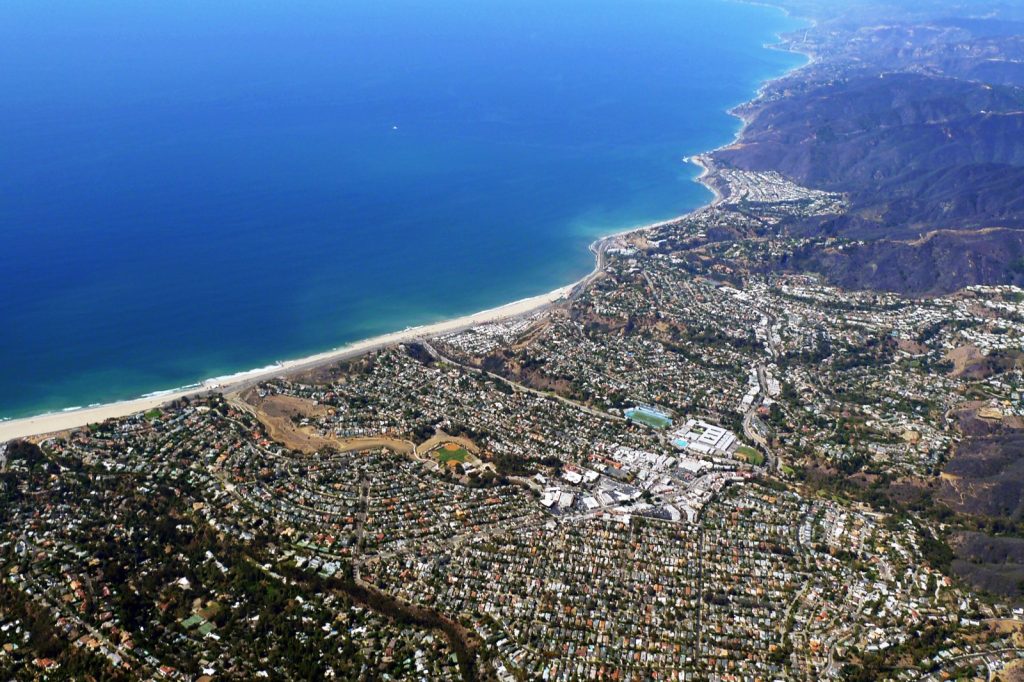
A fast‑moving blaze has engulfed the Pacific Palisades, Hollywood districts of Los Angeles and the nearby community of Altadena, prompting authorities to order the evacuation of more than 100,000 residents. The fire, now covering over 3,000 acres, is being driven by a powerful windstorm that, together with prolonged drought, has turned the region’s vegetation into highly flammable fuel. Officials confirm that five people have died and dozens more have been injured.
Roughly 1,000 structures—homes, businesses and other buildings—have been reduced to ash, while firefighters continue to battle flames that are leaping from one property to the next. The extreme gusts are hampering containment efforts, and the dry conditions have created a tinderbox that allows the fire to spread rapidly.
Evacuation orders remain in effect as emergency crews, local police and fire departments coordinate with state and federal partners to move residents to safety. The American Red Cross and several other relief agencies have set up shelters, distributing food, clothing and basic necessities to those displaced by the inferno. Beyond the immediate human toll, the blaze has sparked concerns about its environmental impact.
The fire has destroyed natural habitats, displaced wildlife and released pollutants into the air, underscoring the broader consequences of such disasters. Community leaders and environmental advocates are calling for greater investment in renewable energy sources—such as solar and wind—to lessen reliance on fossil fuels, improve energy security and lower long‑term costs.
Economically, the loss of homes and commercial properties is expected to run into the millions of dollars. Rebuilding efforts will be extensive, and experts warn that full recovery could take years. Nonetheless, officials see an opportunity to rebuild with a focus on sustainability and resilience, incorporating energy‑efficient designs and renewable technologies to better withstand future threats.
The response to the wildfire has been described as swift and coordinated. Local authorities, backed by state and federal resources, have managed the large‑scale evacuations while relief organizations provide ongoing support to affected families.
As the situation evolves, additional resources are likely to be mobilized to aid both immediate relief and long‑term reconstruction. Residents of Los Angeles and Altadena now face a daunting path to recovery, but officials remain hopeful that, with continued assistance and a commitment to sustainable practices, the communities can rebuild stronger and more environmentally conscious. The incident highlights the urgent need for proactive measures to protect both people and the planet from the increasing frequency of extreme wildfire events.




