
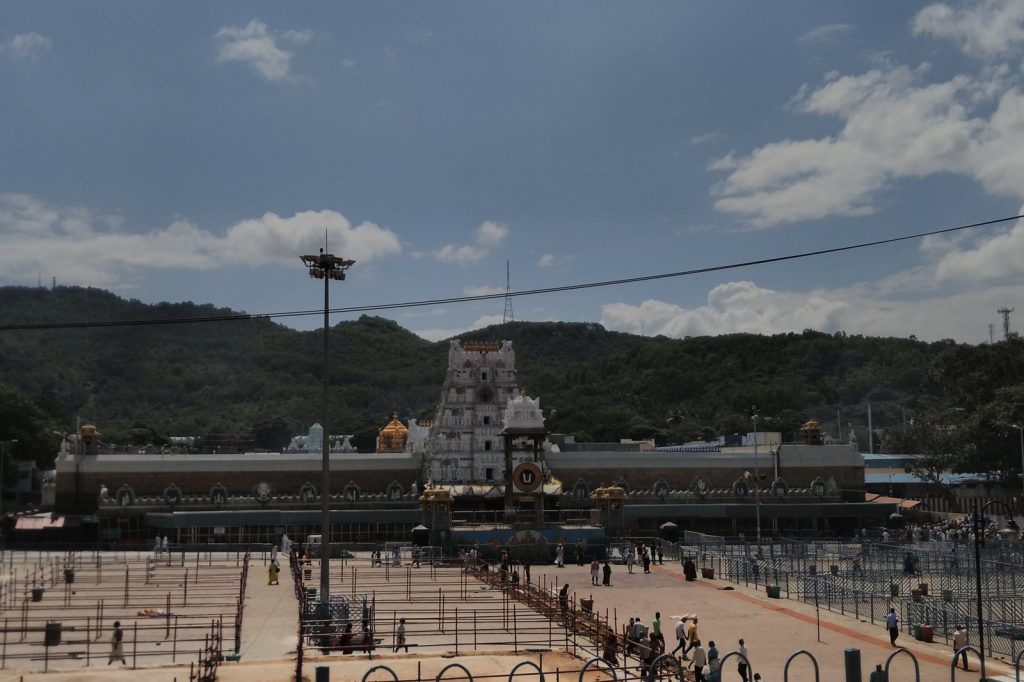
A tragic stampede at the Hindu Venkateswara Temple in Tirupati, Andhra Pradesh, India, on January 8, 2025, has left six people dead and more than forty others injured. The incident occurred when a sudden surge of devotees overwhelmed the crowded pilgrimage site, triggering chaos and panic among the thousands gathered.
The temple, situated in the hill town of Tirumala and surrounded by the forests of the Eastern Ghats, is one of India’s most revered and heavily visited religious destinations, drawing millions of worshippers each year. Authorities are still investigating the precise circumstances that led to the deadly crush, but the event has already sparked questions about the adequacy of crowd management and safety protocols at the site. While the term “stampede” is often associated with animal behavior—where large groups of animals flee in unison due to excitement or fear—similar human incidents have occurred repeatedly in history, frequently with severe outcomes.
The tragedy at the Venkateswara Temple underscores the potential for panic and disorder when large crowds gather, particularly in confined or high-traffic areas. Local officials and temple management now face the challenging task of ensuring pilgrim safety.
The incident is expected to prompt a comprehensive review of existing emergency response plans and safety measures. Key areas for improvement include enhancing infrastructure to accommodate large numbers of visitors, strengthening crowd control strategies, and implementing more effective communication systems to prevent and respond to such emergencies. As the community mourns the loss of life and tends to the injured, there is also a broader reckoning with the importance of preserving natural and cultural heritage sites.
The Venkateswara Temple is not only a sacred Hindu site but also an integral part of India’s cultural and environmental landscape. Balancing the spiritual significance of such locations with the environmental impact of massive pilgrimages requires careful planning.
Promoting sustainable practices and transitioning toward renewable energy sources could help reduce the ecological footprint of large gatherings, ensuring that these sites remain viable for future generations. Embracing energy security and cost-effectiveness through renewables supports the long-term preservation of heritage sites while aligning with broader environmental goals. The January 8 stampede serves as a stark reminder of the need for vigilance and proactive measures in managing large crowds and protecting cultural and environmental treasures.
As investigations continue and lessons are learned, there is an opportunity for growth and improvement. Prioritizing safety, sustainability, and environmental stewardship can help ensure that places of spiritual significance continue to inspire without compromising the integrity of the planet.
The path forward requires a collective effort to balance human needs with environmental responsibility, fostering a cleaner, safer, and more sustainable future.




