
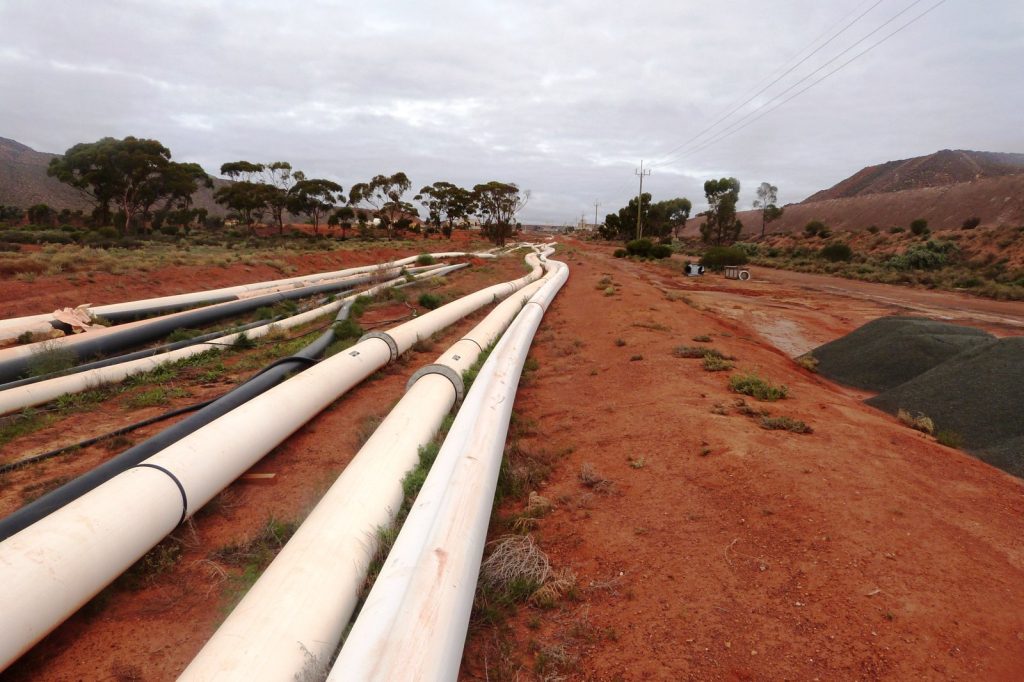
The pipeline Canada wants to build would run 3,300 kilometres and carry up to 500,000 barrels of crude a day. Alberta Premier Danielle Smith laid out the route: it starts in Hardisty, Alberta, crosses Saskatchewan, Manitoba and northern Ontario, then turns south to Sarnia, Ontario. A later expansion could take it to 800,000 barrels a day.
The bottom line is dependence. Alberta sits on roughly 158.9 billion barrels of oil, and the United States is the main buyer of Canadian crude. Canada supplied 63.4 per cent of U.S. crude imports in 2025.
The governments of Alberta and Canada are proposing the line together. It would move oil from west to east without touching U.S. territory. Today, Alberta crude reaches Ontario through pipelines that cross the United States, and Michigan has threatened in the past to shut that route down. Ontario Energy Minister Stephen Lecce put the exposure in a single figure: “50 per cent of oil imports into Ontario run through a pipeline that cuts through the U.S.” He called for “a sovereign pipeline route that connects Alberta crude oil to Sarnia,” which he described as the country’s largest refinery and petrochemical hub.
Carney’s announcement
Prime Minister Mark Carney outlined the plan during a July visit to Alberta, alongside C$150 billion in investment for Alberta and British Columbia. That money covers a bigger port in Vancouver and new power infrastructure for a liquefied natural gas terminal.
Carney said Ottawa and Alberta would be “equal partners” in the pipeline, with “a meaningful ownership stake for Indigenous communities.” Consultations, he said, would start immediately. He also said he expected the project to deliver “substantial” methane reductions. Once built, the line could be extended to the Atlantic coast to open export routes to Europe.
The idea is not new. A similar project was discussed for years and dropped almost a decade ago.
Who is on board, and who is not
An earlier plan for a link across northern Canada died after Indigenous communities and leaders objected, since it would likely have meant lifting the ban on oil tankers loading or unloading on British Columbia’s north coast. Steven Guilbeault, now Culture Minister and a former Environment Minister, said he would quit cabinet if it went ahead. Oil companies kept their distance too, wary of opposition from environmental and Indigenous groups.
This time Carney said the tanker ban stays. British Columbia Premier David Eby appears unlikely to stand in the way. He said the new agreement has robust safeguards and that residents would be “fairly compensated for the environmental risks we would take on any new pipeline project.”
Marilyn Slett, president of the Coastal First Nations, welcomed the news on the ban. “There is no technology that can clean up an oil spill at sea, and a single oil spill could destroy our way of life,” she said.
Environmental groups still object, citing climate concerns and the record of past fossil fuel projects. The Trans Mountain expansion ran far over budget, and it is unclear whether taxpayers will ever recover what was spent on it.
The politics in Alberta add pressure. Ottawa’s push for a green transition has slowed the oil industry’s growth, and a minority of Alberta residents have called for a referendum on leaving Canada.
Sources
- Canada Unveils New Pipeline to Cut Reliance on U.S. Oil Routes
- Canada Unveils New Pipeline to Cut Reliance on U.S. Oil Routes | OilPrice.com




