
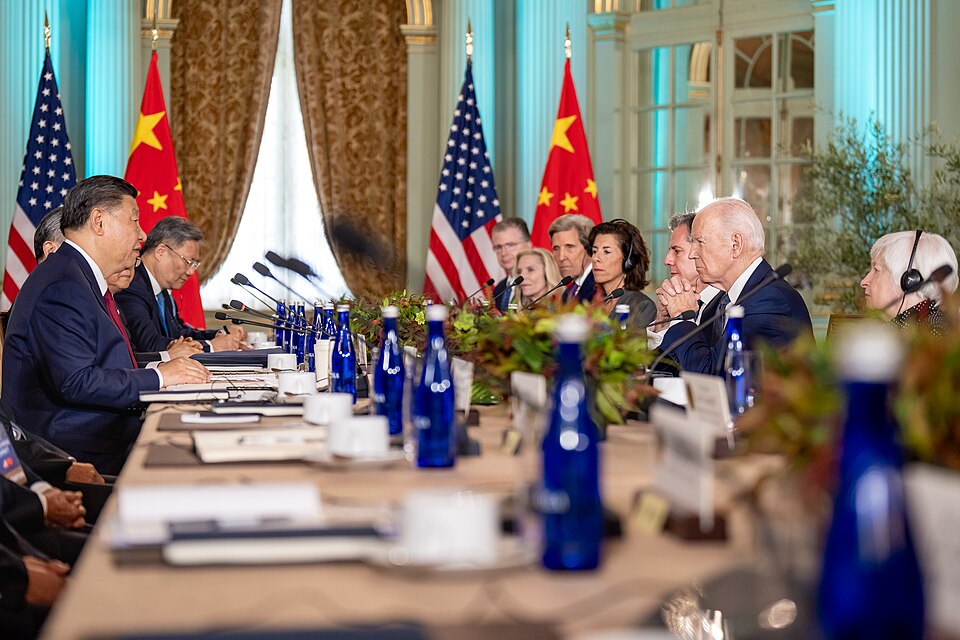
Beijing has told Washington that if the United States approves any new arms sales to Taiwan before the two presidents meet, the meeting is off. Multiple sources familiar with bilateral ties said so on September 12.
The meeting matters to Donald Trump. With November’s midterm congressional elections approaching, he appears keen to show some diplomatic wins, and he has said he will host Xi Jinping and his wife at the White House on September 24, with a state dinner in their honour. China’s government had made no official announcement of the visit.
While preparing for the trip, China restated that Taiwan is a “red line” in relations with the US, according to the sources.
A familiar sore point
Beijing claims the self-governing, democratic island as its territory, to be reunited by force if necessary. When Xi met Trump in Beijing in mid-May, he called Taiwan the “most important issue” between the two countries and warned of potential conflict if it were mishandled. Trump, in a television interview around then, described arms sales to Taiwan as “a very good negotiating chip” in his dealings with China. That remark raised doubts about Washington’s long-standing security commitments to its Asian allies.
Those commitments rest on the Taiwan Relations Act, passed by Congress after Washington cut diplomatic ties with Taipei in favour of Beijing in 1979. Under it, the US supplies Taiwan with arms so that it can keep a sufficient defence. In December 2025 the Trump administration announced an arms package worth US$11 billion, the largest ever, which drew an angry response from China. Meanwhile, China’s growing military activity in and around the Taiwan Strait has fed fears of an invasion and a wider regional conflict involving America and its allies.
Iran and trade on the table
Taiwan is not the only item. The war against Iran, which Trump started with Israel in late February and which shows no sign of ending, may also come up, since China is Tehran’s key economic partner. The administration has pressed Beijing not to do business with Iran. One of the sources said “China has shown a cooperative stance and is not hindering dialogue with the United States.”
The US Treasury and Commerce departments have led the negotiations with Beijing. The presidents are expected to take up many economic questions, among them a planned deal to cut tariffs on US$30 billion worth of goods from each side.




