
The methane that fired the Long March-10B came from more than 1,000 tonnes of liquefied natural gas. Sinopec, the fuel’s developer, said the refined product reached a purity of 98.7 percent, and Xinhua reported that it is the first time a Chinese rocket has flown on high-purity methane made from LNG.
The rocket completed a sea-based net recovery on Friday. It lifted off from the Hainan commercial spacecraft launch site in south China’s Hainan Province and, on its maiden flight, placed its payload in the planned orbit.
A rocket built for the commercial market
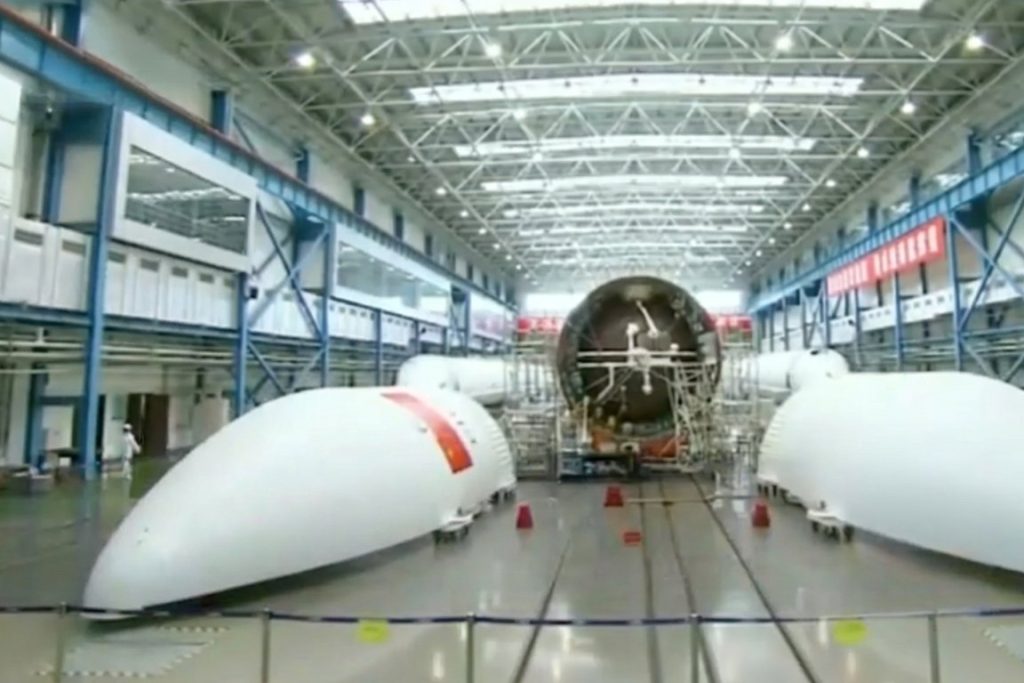
The Long March-10B has two stages and is reusable. It was designed specifically for China’s commercial space market. Its core stage is 5 meters across, and all of its critical components are made in China. It is the country’s first commercial reusable rocket to run on liquid oxygen and methane.
Sinopec said the entire supply chain for this launch was secured inside China, according to a China Media Group report on Saturday.
What Sinopec says about the fuel
“The methane fuel used in this launch was refined from over 1,000 tonnes of LNG,” said Cao Lizhao, manager of the south China sales center of Sinopec’s natural gas branch. He added that ordinary civilian LNG can be processed into the high-purity fuel.
Cao also compared it with liquid hydrogen. Against that older propellant, he said, methane cuts storage and transportation costs by 40 percent. In his words, it offers “a brand-new and viable fuel solution for low-cost, high-frequency commercial launches.”
The China Media Group report said liquid oxygen-kerosene and liquid oxygen-liquid hydrogen have struggled to keep up as launches become more frequent and budgets tighter. Liquid oxygen-methane has become the favored choice for next-generation commercial vehicles, the report said, because of its performance, its compatibility with reusable technology, its lower environmental impact and its easier storage and transport.
Ding Dapeng, who manages LNG business at the same Sinopec branch, described the launch as the start of “a diversified, substitutable and secure propellant supply system.” He said it gives the commercial space industry “an economically efficient and low-carbon technological pathway,” and strengthens its self-reliance and core competitiveness.




