
BEIJING, July 10 — There is something quietly methodical about the way China has built its Long March rocket family. It began with a single satellite in 1970 and has grown, over more than five decades, into a fleet of specialised vehicles that now covers everything from small payloads to ambitions for super-heavy lift. The numbers alone tell a story of steady, deliberate expansion.
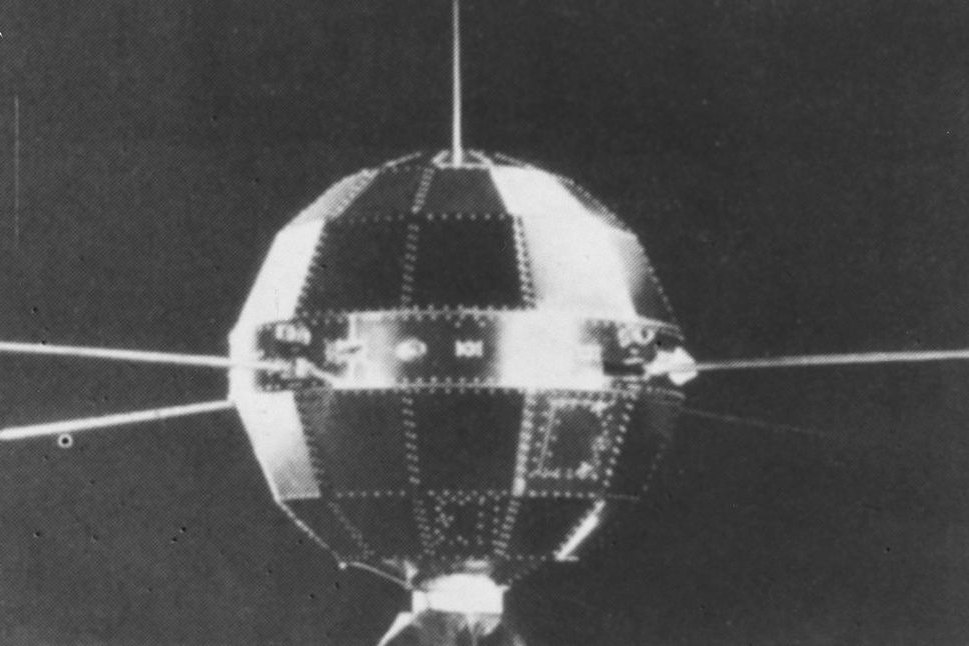
The Long March 1 launched China’s first satellite, Dong Fang Hong 1, on April 24, 1970. That was the starting point.
From there, the family branched out. The Long March 2 series arrived in 1974 and has since conducted over 100 launches, including the crewed missions for the Shenzhou program that began in 2003. It is the workhorse of China’s human spaceflight effort.
The Long March 3 series, first launched in 1984, added a third stage specifically for geostationary orbit missions — the kind that put communications and weather satellites into a fixed position above the Earth. The Long March 4 series, introduced in 1988, took on a different job: sun-synchronous orbits, which are useful for Earth observation satellites that need consistent lighting conditions.
Heavy lift and lunar ambitions
The Long March 5, a heavy-lift rocket, first flew on November 3, 2016. It can carry 25 metric tons to low Earth orbit. That capacity made it the vehicle of choice for the Chang’e 5 lunar sample return mission in 2020, which brought back rocks and soil from the Moon.
It was a significant technical achievement, and the rocket’s size was essential for the job. At the other end of the scale, the Long March 6, first launched in 2015, is a small-lift rocket with a capacity of 1 metric ton to LEO.
It is designed for lighter payloads, perhaps smaller satellites or technology demonstrations. The Long March 7, first launched in 2016, sits in the middle with a capacity of 13.5 metric tons to LEO and is used for space station resupply missions. The Long March 8, which first flew in 2020, is a medium-lift rocket with a capacity of 8.4 metric tons to LEO.
It was China’s first attempt at a reusable rocket, though its first stage was not recovered. The attempt itself is intriguing — it signals an interest in the kind of reusability that has reshaped the launch industry elsewhere, even if the first try did not succeed.
Future plans and a recent milestone
The Long March 9 is still under development. It is planned as a super-heavy-lift rocket with a capacity of 150 metric tons to LEO, targeting a first flight by 2030. That is a substantial jump in capability, and it suggests ambitions that go well beyond current missions.
The Long March 10 series, including the 10B, was announced in 2019 as a reusable rocket family. As of June 2024, China has conducted over 500 Long March launches, with a success rate of approximately 95%.
That is a solid record for any launch family. The Long March 10B’s maiden flight on June 23, 2024, was the 512th launch of the Long March family. It is a reminder that this is not a program resting on past achievements — new vehicles are still coming online.
What researchers and analysts will be watching next is the progress of the Long March 9. A rocket with 150 metric tons of lift capacity to LEO is in a different league from anything China has flown before.
If it reaches its first flight target by 2030, it will open up possibilities for larger space stations, more ambitious lunar missions, and potentially deep-space exploration. The Long March family has come a long way from a single satellite in 1970, and it shows no signs of stopping.
{“@context”: “https://schema.org”, “@type”: “NewsArticle”, “headline”: “China’s Space Launches: From Long March 1 to Long March 10B”, “description”: “BEIJING, July 10 — There is something quietly methodical about the way China has built its Long March rocket family. It began with a single…”, “datePublished”: “2026-07-10T09:30:00+00:00”, “author”: {“@type”: “Person”, “name”: “Henry Thomas”}, “publisher”: {“@type”: “Organization”, “name”: “InfoPulse Today”, “url”: “https://newsfeed.infopulsetoday.com/”}}




