
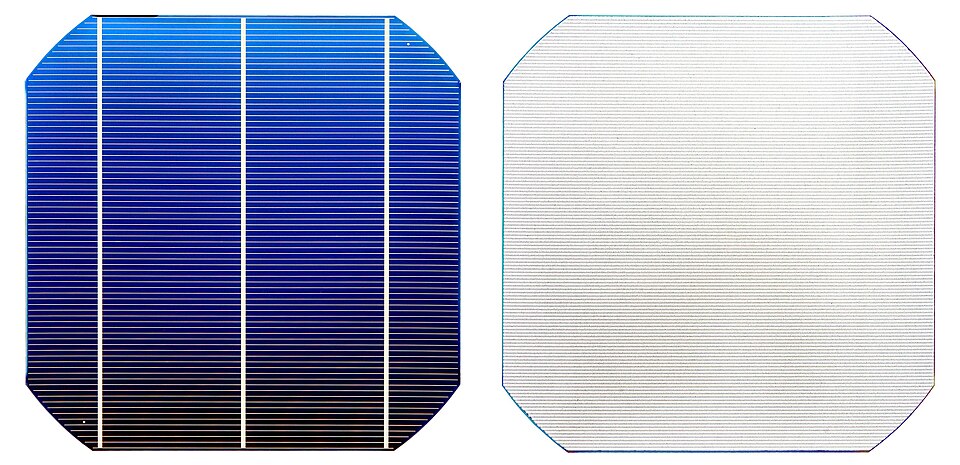
Last month, American companies bought nearly US$40 million worth of photovoltaic cells from China. That is a 346 percent jump from a year earlier. The numbers come from customs data.
They land at a moment when the White House is trying to push an “America First” energy policy. The policy is not working.
Chinese lithium-ion battery exports to the United States also rose, up 20.8 percent over the same period. These are the batteries that power electric vehicles and grid storage systems. American buyers are choosing Chinese suppliers despite tariffs and a protectionist administration.
Why? Simple economics.
Beijing controls the global supply chains for clean energy technology. No other country can match China’s scale or pricing on solar panels and batteries. This is not a new reality, but it is accelerating.
The artificial intelligence boom is driving up electricity demand worldwide. Clean energy projects are being approved at a breakneck pace. Those projects depend on cheap Chinese parts.
From the poorest countries in the Global South to the wealthiest nations, Chinese clean energy exports are growing rapidly. Western efforts to build alternative supply chains have so far failed to slow Beijing’s momentum.
The Trump administration has imposed tariffs and sought to boost domestic manufacturing. The customs data shows American imports of Chinese clean energy goods are climbing sharply anyway. What is at stake is not just trade balances.
It is the physical infrastructure of the next economy. Every solar farm built with Chinese panels, every battery storage unit filled with Chinese cells, locks that country further into China’s industrial orbit.
The United States is not building an independent clean energy supply chain. It is buying one from Beijing. China has invested heavily in solar manufacturing and battery production for years.
That investment is now paying off. The country holds near-total control of these supply chains. No other nation can match the scale or the pricing.
American buyers are responding to that economic reality, not to political messaging. The numbers tell a clear story.
Exports of Chinese photovoltaic cells to the United States hit US$39.96 million last month. That is a 346 percent year-on-year surge. Lithium-ion battery exports rose 20.8 percent.
These are not marginal increases. They are leaps.
For those who follow energy geopolitics, this is not a surprise. The pattern has been visible for years. What is new is the speed.
The AI boom is compressing timelines. Electricity demand is rising faster than expected. Clean energy projects are being approved at a breakneck pace.
And those projects need components now, not in five years when a Western factory might come online. China is there to supply them.
Today. At prices no one else can match. The American response has been tariffs and talk of boosting domestic manufacturing.
Neither has changed the flow of goods. The customs data shows that American imports of Chinese clean energy goods are climbing sharply.
The protectionist administration is presiding over a deepening dependence on Chinese supply chains. That is the stakes piece. The United States is not winning a clean energy trade war.
It is losing one, quietly and steadily, one solar panel and one battery at a time. The infrastructure being built today will last for decades. And it is built on Chinese components.
{“@context”: “https://schema.org”, “@type”: “NewsArticle”, “headline”: “Chinese Clean Energy Exports to U.S. Surge Despite America First Policy”, “description”: “Last month, American companies bought nearly US$40 million worth of photovoltaic cells from China. That is a 346 percent jump from a year earlier. The…”, “datePublished”: “2026-06-27T18:31:00+00:00T09:30:00+00:00”, “author”: {“@type”: “Person”, “name”: “Sophie King”}, “publisher”: {“@type”: “Organization”, “name”: “InfoPulse Today”, “url”: “https://newsfeed.infopulsetoday.com/”}}




