
SAN FRANCISCO, July 10 — What drove a man to cross an ocean, pick up a pickaxe, and hang from a sheer granite cliff face, all for less pay than the man working next to him? That is the question that lingers as we look back at the building of the Transcontinental Railroad, a feat of 19th-century engineering that changed America forever. The answer, it turns out, is a story of staggering courage, brutal exploitation, and a workforce that has largely been written out of the history books.
The Backbone of the Central Pacific
Between 1865 and 1869, between 12,000 and 15,000 Chinese immigrants made up roughly 80 percent of the Central Pacific Railroad’s labour force. They were not a footnote to the story; they were the story. Recruited from California and from China itself—primarily from Guangdong Province—these men provided the muscle and the nerve that the railroad’s owners desperately needed.
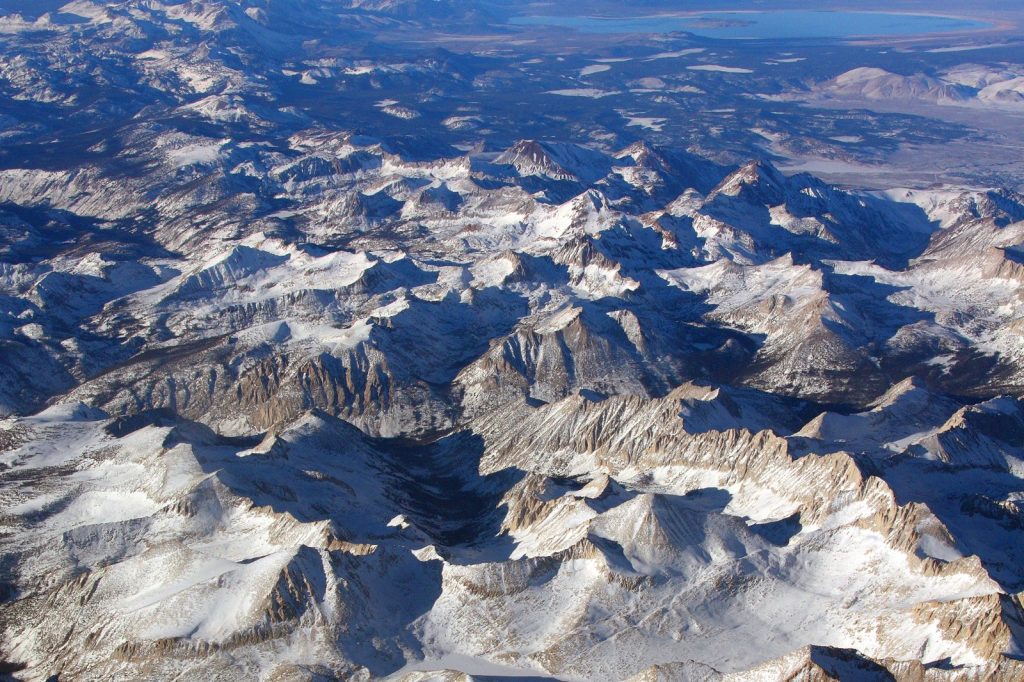
The Central Pacific had to push eastward through the Sierra Nevada, a wall of solid rock that had defeated every previous attempt at a transcontinental route. Intriguingly, the pay structure tells you everything you need to know about the era.
Chinese workers were paid between $30 and $35 per month. White workers doing the same job received $40 to $45. On top of that wage gap, the Chinese crews had to pay for their own food and supplies.
Blasting Through the Sierra
The work itself was appalling. Chinese crews were assigned the most dangerous tasks on the line. They drilled holes into sheer rock faces, packed them with black powder—and later, the terrifyingly unstable nitroglycerin—and lit the fuses while dangling in baskets from the top of the cliffs.
One slip, one delayed explosion, one misjudged fuse length, and a man was gone. The Summit Tunnel, known as Tunnel No. 6 near Donner Pass, at 1,659 feet, was the longest of the project.
It took over a year to complete, and it cost dozens of lives. Hundreds of Chinese workers died in avalanches, explosions, and accidents.
Exclusion and Erasure
Despite these sacrifices, the Chinese workers were not welcomed into the country they had helped to build. The discrimination that had kept their wages low during construction only intensified after the railroad was finished. In 1882, the United States Congress passed the Chinese Exclusion Act, the first federal law in American history to bar a specific ethnic group from immigrating.
The men who had drilled through the Sierra granite, who had laid track across the deserts of Nevada and Utah, were now told they were not wanted. The irony is bitter.
The Transcontinental Railroad, completed in 1869, was hailed as one of the greatest engineering achievements of the age. It connected the Atlantic and Pacific coasts, slashed travel time from months to days, and opened the American West to settlement and commerce. But the men who made it possible were systematically erased from the official story.
What Researchers Found
What researchers have found in recent years is a more complete picture, pieced together from payroll records, newspaper accounts, and archaeological digs along the old rail route. The Chinese workers were not unskilled labourers. They were experienced in building roads, canals, and fortifications.
They brought knowledge of explosives and rock work that was essential to the project. They also brought a system of organisation—gangs of 20 to 30 men, each with a headman who negotiated wages and supplies—that made the Central Pacific’s chaotic construction effort run smoothly.
The records show that Chinese workers were paid less than white workers. The records show that they did the most dangerous jobs. The records show that hundreds, perhaps thousands, died.
And the records show that they were excluded from the country they helped to build, just 13 years after the railroad was finished. These are not opinions.
These are the facts.
What to Watch Next
The story of the Chinese railroad workers is slowly being recovered. Museums, historians, and community groups are working to install plaques, create exhibits, and include the Chinese role in standard school curricula. The question now is whether that recognition will be sustained.
For now, the story remains what it has always been: a remarkable, brutal, and largely untold chapter in the history of American industry.
{“@context”: “https://schema.org”, “@type”: “NewsArticle”, “headline”: “Chinese Immigrants Built Central Pacific Railroad Through Sierra Nevada”, “description”: “SAN FRANCISCO, July 10 — What drove a man to cross an ocean, pick up a pickaxe, and hang from a sheer granite cliff face,…”, “datePublished”: “2026-07-10T09:30:00+00:00”, “author”: {“@type”: “Person”, “name”: “Henry Thomas”}, “publisher”: {“@type”: “Organization”, “name”: “InfoPulse Today”, “url”: “https://newsfeed.infopulsetoday.com/”}}




