
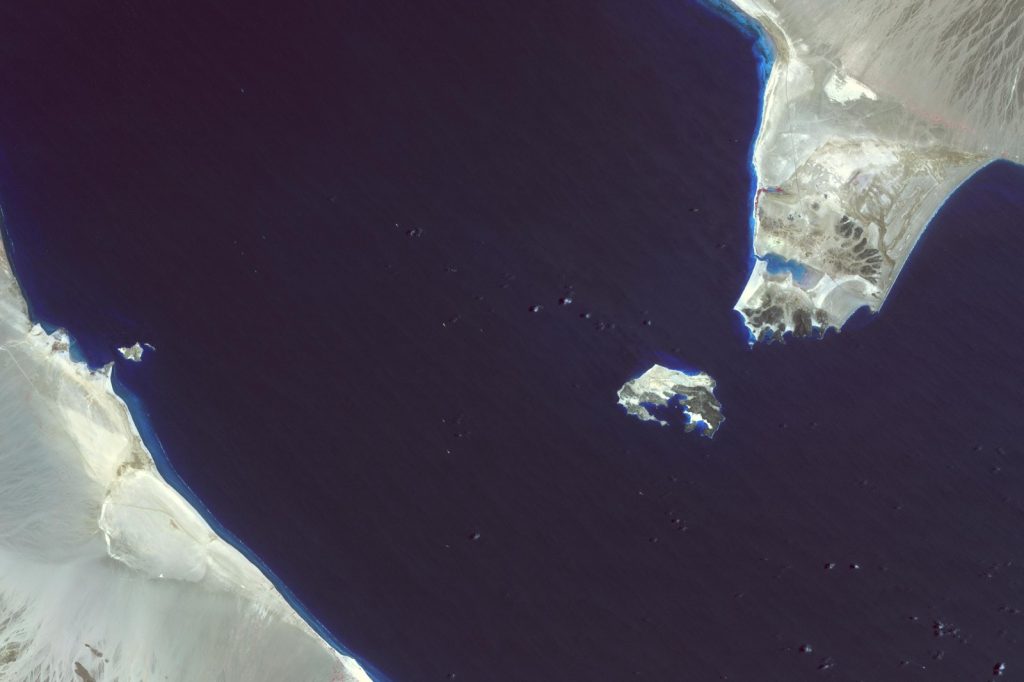
On July 20, Yemen’s Houthi rebels announced a blockade of Saudi Arabia, including the Bab el-Mandeb Strait. Two days after a Saudi tanker loaded at the port of Yanbu, they attacked it.
The Houthis, who are backed by Iran, say the blockade covers only Saudi ships. An analysis from the Atlas Institute for International Affairs notes that the Strait of Hormuz crisis showed even sporadic attacks can close a waterway once insurance costs and risk climb high enough.
Why this strait matters now
The US and Iran have been in conflict since the end of February, and Tehran has closed the Strait of Hormuz, which before the war carried about 20 percent of the world’s oil and natural gas. Saudi Arabia and other Gulf states turned to the Bab el-Mandeb, which links the Red Sea to the Gulf of Aden. Saudi Arabia has been sending millions of barrels through a pipeline to the Red Sea.
The traffic numbers are large. In June, more than 7 million barrels of oil a day moved through the Bab el-Mandeb, up from 4 million before the war in Iran. Saudi Arabia accounted for 4 million of them, shipped from Yanbu. A full Houthi blockade of Saudi Arabia would take roughly 4 percent of the world’s oil off the market, according to figures from The New York Times cited by the analysis.
Shipping already down
Vessel traffic dropped fast. Seatrade Maritime News reported an average of 31 vessels a day from July 25 to 26, down 50 percent by tonnage from an already depressed second-quarter average.
Clionadh Raleigh, founder of the conflict monitor ACLED, said two days after the Houthi announcement that pressure on both straits at once would effectively close two of the world’s most important maritime routes.
The fallback routes are poor. The Suez Canal cannot take the large ships that carry crude. Going around Africa adds four weeks to the trip to Asia, with higher insurance and costs. The Egyptian Sumed pipeline cannot handle the volume that now passes through the Bab el-Mandeb.
A Red Sea coalition
On July 30, Saudi Arabia announced it was forming an international alliance to guard the Red Sea. Saudi sources said 13 countries had agreed: Turkey, Kuwait, Bahrain, Qatar, Jordan, Egypt, Pakistan, Djibouti, Somalia, Bangladesh, Yemen, Sudan and the Comoros. Shipping through the strait has risen since the pact was announced. The Atlas analysis says it is uncertain how well the alliance will work over time, and whether it could restart hostilities between Saudi Arabia and the Houthi government.




