
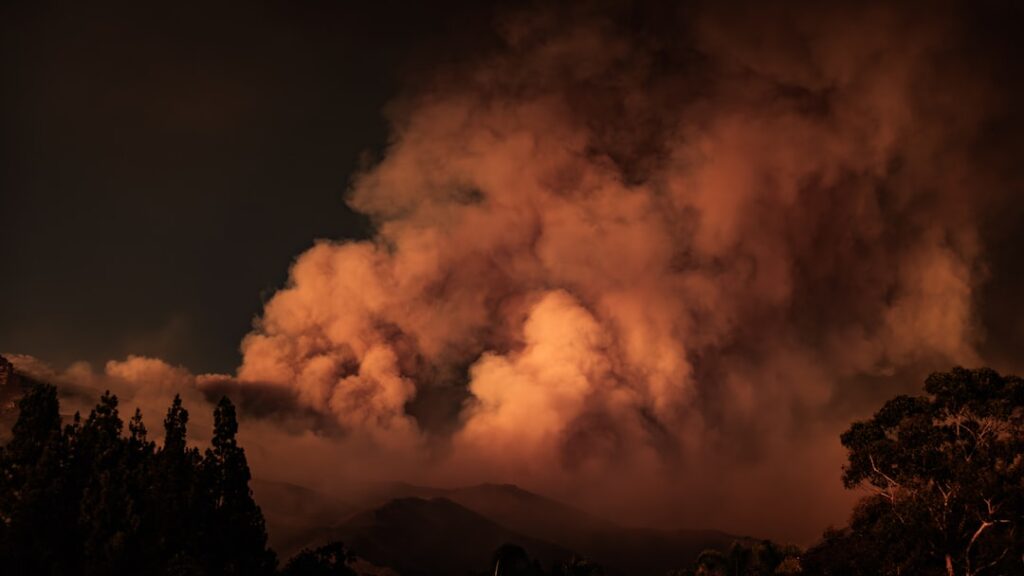
Boats continue to evacuate people from northern Corfu, but the crisis is far from over for those forced to flee. Hundreds of residents and tourists are crowded onto vessels in a rushed maritime operation, watching from the water as flames consume their island. The wildfires, which spread rapidly across the northern region, have not yet been contained.
Greek authorities ordered the boat evacuations after the fires advanced faster than ground crews could manage. Within hours, the situation escalated from controllable to critical. Roads were cut off, leaving people trapped along the coastline with no alternative escape route. The maritime evacuation became the only option.
Now, evacuees face an uncertain future. They are being transported to safer areas of Corfu or to the mainland, but the operation is logistically challenging. The boats were not intended for emergency mass passenger transport. People are packed in, frightened, and without their possessions. Some have lost everything—whether vacation rentals or family homes. The fires destroy without distinction.
The immediate result is widespread displacement. Thousands are now refugees on their own island or stranded visitors far from their accommodations. Hotels and shelters in unaffected zones are struggling to accommodate the influx. Greek emergency services are managing reception, but the scale is immense. Each arriving boat brings more exhausted, ash-covered individuals needing food, water, medical attention, and shelter.
The long-term economic consequences will be severe. Corfu relies heavily on tourism. The lush landscapes and charming villages that attract visitors are now charred and smoking. The evacuation alone will deter travelers for weeks or months. Airlines and ferry companies expect cancellations. Local businesses—restaurants, shops, tour operators—face a ruined season before its peak. The island’s reputation for safety and beauty has suffered a major blow.
Environmental damage is also extensive. The fires have destroyed forests, olive groves, and farmland. Soil is damaged, and wildlife is dead or displaced. Recovery will take years. Authorities must assess the burn scars and determine what can be replanted and what is permanently lost. For now, the priority is preventing the flames from spreading south toward the main town and airport.
The evacuation operation itself poses risks. Moving people by boat in haste, often from makeshift beaches or rocky coves, is dangerous. The elderly, sick, and young children are particularly vulnerable. No injuries or fatalities from the evacuation have been reported, but the potential for accidents remains high. Each trip involves a difficult choice: load more people and risk overcrowding, or leave some behind and risk the fire reaching them.
What happens next depends on the wind. A shift in weather could push the fires toward new areas, while calm conditions might help firefighters gain control. But the immediate reality is clear: the people of northern Corfu are no longer safe on their own land. They are adrift, watching smoke rise from their homes. The boats keep coming, and the island waits to see how much will remain when they stop.




