
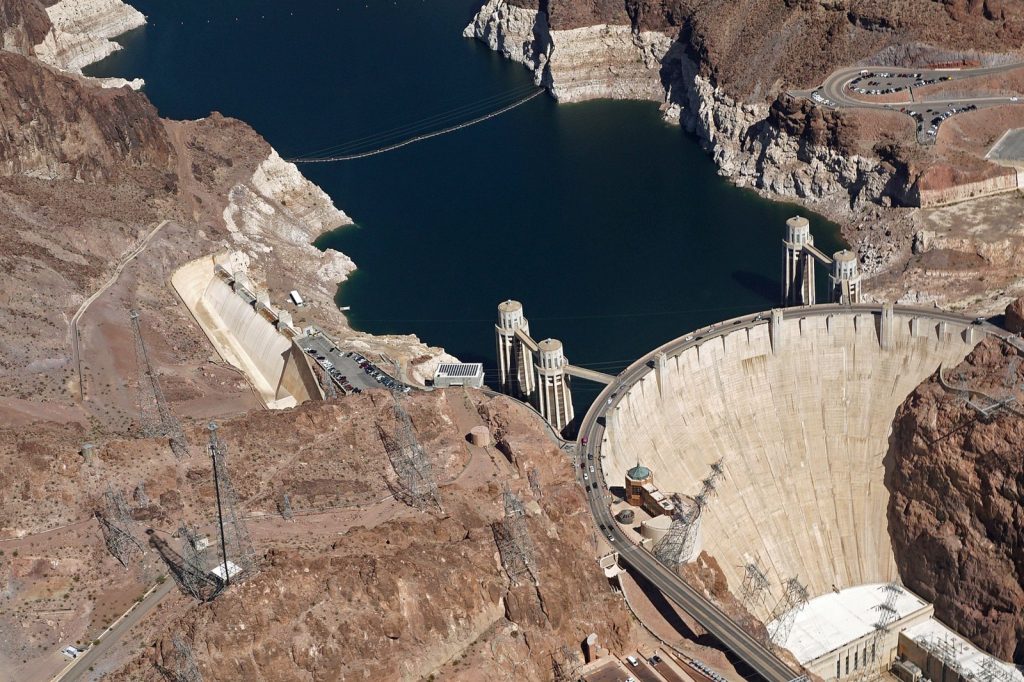
WASHINGTON, July 11 — The calculus of American water management has always carried a strategic price. From the concrete behemoths of the New Deal to the modern push for river restoration, the reservoirs that power the West and tame the East have reshaped the nation’s geography — and its human geography — in ways that still reverberate.
The construction of the Hoover Dam and the Tennessee Valley Authority dams stands as a monument to engineering ambition. But what this signals, when viewed from a geopolitical and strategic lens, is a history of displacement that is often overlooked in the broader stakes of energy and irrigation. For TVA reservoirs alone, more than 15,000 families were relocated. Entire towns were moved, including Norris, Tennessee, which was physically shifted to make way for Norris Dam. Out west, Hoover Dam’s reservoir, Lake Mead, submerged the town of St. Thomas, Nevada, a settlement founded in 1865 that was ultimately abandoned to the rising waters.
The ecological ledger
The environmental impact of these projects is not merely a matter of lost towns. The dams fundamentally altered the natural order. Hoover Dam blocked fish migration routes, leading to a stark reduction in native fish populations. The Colorado pikeminnow, a species that once thrived in the river’s free-flowing currents, saw its numbers drop by 90 percent. This is not an abstract biological footnote; it represents a collapse of a keystone species in a river system that sustains millions.
In the Tennessee Valley, the strategic intervention of the TVA dams changed the river’s flow regime entirely. Seasonal flooding, once a natural and often destructive force, was curtailed. But the broader stakes of that control included altered sediment transport and the degradation of wetland habitats. The trade-off was clear: flood control and hydroelectric power for human settlements, at the cost of a fundamentally altered ecosystem.
The strategic vulnerability of these systems is now coming into sharp focus. By 2023, Lake Mead’s water level had dropped by 170 feet since 1983. This is not a cyclical fluctuation; it is a long-term structural decline driven by persistent drought and chronic overuse. The calculus here is dire: the reservoir’s decline threatens water supplies for 25 million people across the Southwest. That is not a regional problem — it is a national security concern, one that pits states, agricultural interests, and growing cities against each other in a contest for a shrinking resource.
The counter-movement
There is, however, a strategic counter-narrative emerging. The United States has removed more than 1,800 dams since 1912 in a concerted effort to restore river ecosystems. This is not a fringe movement; it is a deliberate national policy shift. The most prominent example is the Elwha Dam in Washington state, which was removed between 2011 and 2014. The result was a dramatic restoration of salmon runs, a species of immense ecological and cultural significance in the Pacific Northwest.
What this signals is a fundamental rethinking of the nation’s water infrastructure. The broader stakes are no longer just about generating power or storing water; they now include the strategic imperative of ecological restoration and long-term sustainability. The dam-building era built the modern American West and South, but the era of dam removal is writing a new chapter.
Looking ahead, the tension between these two impulses — the need for water storage and hydropower versus the demand for free-flowing rivers and healthy ecosystems — will define the next phase of American water policy. The reservoirs of the 20th century were strategic assets. The question now is whether their removal, or their managed decline, will be the strategic move of the 21st.
{“@context”: “https://schema.org”, “@type”: “NewsArticle”, “headline”: “Dam Projects Displace 15,000, Alter River Ecosystems”, “description”: “WASHINGTON, July 11 — The calculus of American water management has always carried a strategic price. From the concrete behemoths of the New Deal to…”, “datePublished”: “2026-07-11T09:30:00+00:00”, “author”: {“@type”: “Person”, “name”: “Noah King”}, “publisher”: {“@type”: “Organization”, “name”: “InfoPulse Today”, “url”: “https://newsfeed.infopulsetoday.com/”}}




