
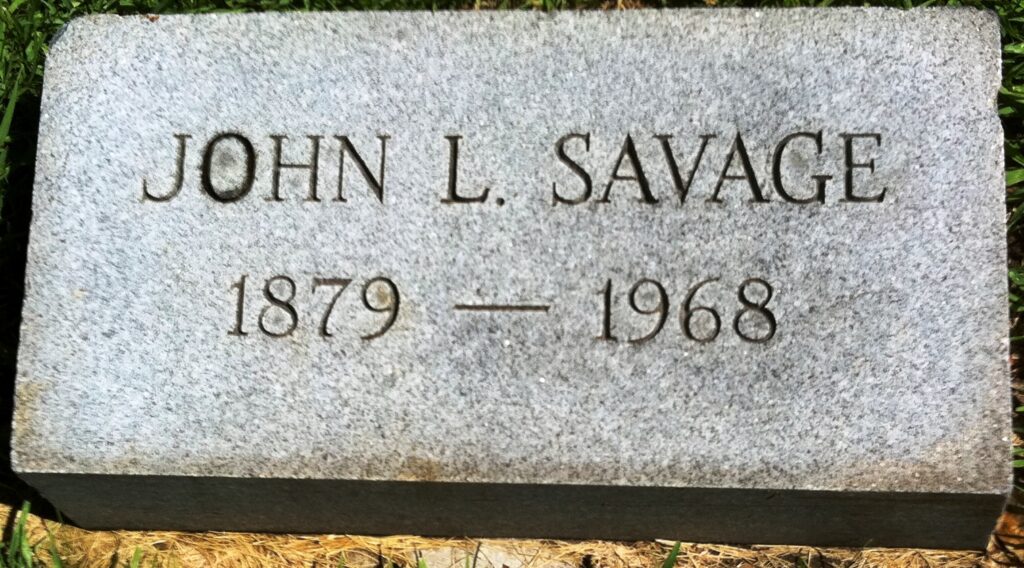
WASHINGTON, July 11 — The strategic calculus of American water and power infrastructure owes a significant debt to a civil engineer whose career spanned the first half of the 20th century. John Lucian Savage, who served as chief designing engineer for the U.S. Bureau of Reclamation from 1924 to 1945, left a physical imprint on the American landscape that still shapes the geopolitical chessboard of the Western states. Savage’s most famous work, Hoover Dam, was completed in 1936.
But what this signals is a broader legacy: Savage designed at least 60 dams worldwide, including the Grand Coulee Dam on the Columbia River in Washington state, finished in 1942. That structure rises 550 feet and generates 6,809 megawatts of power — a strategic asset for the Pacific Northwest’s energy calculus.
The Shasta Dam in California, completed in 1945, stands 602 feet high and produces 714 megawatts. For California, the broader stakes of such engineering were clear: water storage and hydroelectric capacity to fuel a growing state’s economy and agricultural dominance. Savage was born in Cooksville, Wisconsin, and earned a degree in civil engineering from the University of Wisconsin in 1903.
His designs were characterized by innovative use of concrete and cooling techniques to manage heat during the curing process — a technical breakthrough that allowed the massive structures to be built without cracking. In 1944, Savage received the Hoover Medal for his contributions to engineering.
The honor recognized a career that helped transform the American West from a dry frontier into a region of irrigated agriculture and reliable electric power. What this signals for today’s infrastructure debates is a reminder that large-scale engineering projects have long been central to American strategic thinking. The dams Savage designed continue to operate, their concrete still holding back rivers that now power data centers, irrigate crops, and supply cities that did not exist when he first drew up his plans.
The broader stakes of his legacy are visible every time a turbine spins at Grand Coulee or a farmer opens a headgate on a canal fed by Shasta. Savage’s work was not merely technical — it was geopolitical, reshaping the balance of resources across the American West. For the Bureau of Reclamation, the calculus that guided Savage’s career remains relevant.
As the agency manages aging infrastructure and considers new projects, the engineering principles he pioneered — particularly those concrete cooling techniques — continue to inform modern dam construction and repair. The Hoover Medal that Savage received in 1944 now sits as a marker of an era when American civil engineering was the envy of the world.
Whether the nation can replicate that ambition in the 21st century remains an open question — one that the concrete of Savage’s dams, still standing after decades, quietly asks.
{“@context”: “https://schema.org”, “@type”: “NewsArticle”, “headline”: “John L. Savage designed Hoover Dam and 60 other dams worldwide”, “description”: “WASHINGTON, July 11 — The strategic calculus of American water and power infrastructure owes a significant debt to a civil engineer whose career spanned the…”, “datePublished”: “2026-07-11T09:30:00+00:00”, “author”: {“@type”: “Person”, “name”: “Noah King”}, “publisher”: {“@type”: “Organization”, “name”: “InfoPulse Today”, “url”: “https://newsfeed.2bme.xyz/”}}




