
Hungarian authorities reported on Sunday that a collision between two vessels on the Danube River near the town of Verőce resulted in two fatalities and left five people unaccounted for. The accident occurred on the afternoon of 19 May 2024, prompting an extensive search and rescue effort along a section of the river that is heavily used for both transport and leisure. Emergency crews were alerted after reports of a crash involving a passenger boat and another craft.
Rescue teams, including divers and patrol boats, were dispatched to the waters roughly 40 kilometres north of Budapest. Divers recovered the bodies of the two victims, while the hunt for the five missing individuals continued well into the evening.
The precise cause of the collision has not yet been determined. Investigators are examining factors such as visibility conditions and the density of traffic on the river at the time of the incident. Local officials have urged all boat operators to exercise heightened caution while the search proceeds.
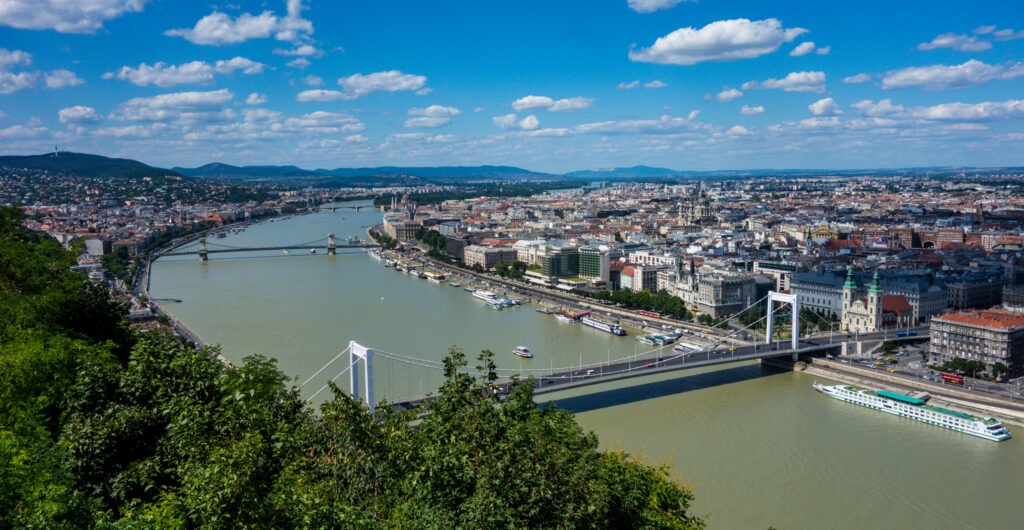
The Danube, Europe’s second‑longest river after the Volga, stretches about 2,850 kilometres from Germany’s Black Forest to the Black Sea, passing through or bordering ten nations. In Hungary, the river splits the capital Budapest before turning northward past Verőce, a locale known for its scenic bends and moderate flow.
Historically a key corridor for trade and travel, the waterway now supports a mix of commercial shipping, cruise tourism and local boating, a combination that can create navigational hazards on busy stretches. Family members of the missing have gathered along the riverbank, awaiting updates from rescue personnel who are contending with strong currents and debris. The Hungarian water police are coordinating the operation, receiving assistance from neighbouring communities along the Danube.
This particular stretch of the river is popular during the spring and summer months, when both commercial vessels and recreational boats are most active. The Danube also links four national capitals—Vienna, Bratislava, Budapest and Belgrade—making it a vital route for cargo and passenger traffic.
Environmental organisations have long advocated for stricter safety regulations and cleaner practices on the Danube, warning that vessel pollution and runoff threaten the river’s ecosystem. The recent crash has been cited by these groups as evidence of the need for improved navigation standards to safeguard both human lives and the natural environment. As the search for the five missing persons enters its second day, Hungarian officials are expected to release further details about the vessels involved and the circumstances surrounding the collision.
The incident has cast a somber mood over a region where the Danube is more than a transportation artery; it is also a source of recreation and livelihood for many. For now, the priority remains locating the missing individuals and understanding how a routine passage on the river turned fatal.




