
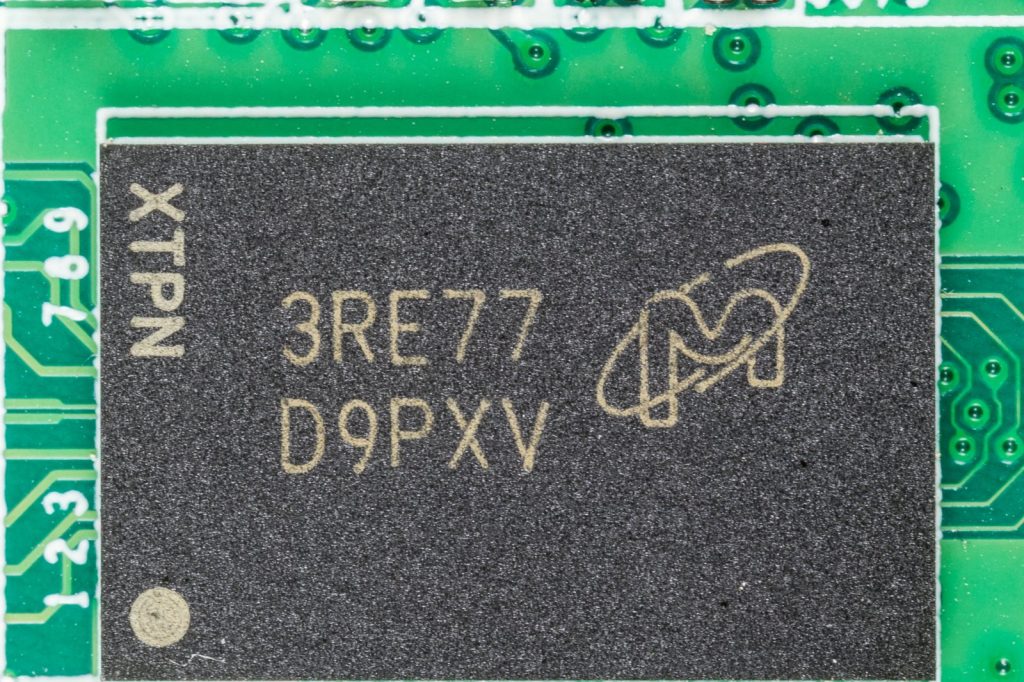
Purchasing managers from Silicon Valley are reported to be living in long-stay hotels in South Korea, pleading for chip supply. They have a nickname: “DRAM beggars.” The big Korean makers, Samsung Electronics and SK Hynix, have had to police what customers buy to stop hoarding.
The scene says a lot about the memory market in 2026. DRAM, the working memory every computer needs, has become a bottleneck for the AI boom, and Nvidia chief executive Jensen Huang called the “memory bottleneck” severe earlier this year.
Why AI eats so much memory
Large language models carry billions, even trillions, of settings that must sit in memory while the system runs. DRAM holds those settings and the temporary calculations a model makes along the way, and it is the only type of memory fast enough for the job. Training a ChatGPT-sized model can take tens to hundreds of terabytes of DRAM spread over GPUs.
Micron chief executive Sanjay Mehrotra told CNBC in January that memory is “a strategic asset today, not like just a component in the system.”
The numbers
Nearly 100 gigawatts of new data centers are scheduled to come online over the next four years, which works out to about 50 gigawatts in the next two. There is enough DRAM to support only about 15 gigawatts of AI data centers over that stretch, according to analyst Eric Fry of InvestorPlace.
Prices tell the same story. In early February, TrendForce projected that conventional DRAM contract prices would jump 90 to 95 percent in the first quarter of 2026 over the fourth quarter of 2025, one of the fastest spikes the industry has recorded.
Micron is the clearest example. Its shares are up around 330 percent over the past year and 48 percent so far in 2026, lifting its market value to $525.4 billion, ahead of Oracle at $440.6 billion. It is the only one of the 10 most valuable U.S. tech companies whose stock is up for the year. Its latest earnings, released in March, nearly tripled revenue and beat expectations. The stock fell anyway, because the company says it can meet only about half to two-thirds of customer demand.




