
LONDON, July 9 — The shift is hiding in plain sight under the Atlantic. When we talk about artificial intelligence and the future of energy, we usually look forward. But the real trend underneath — the one that shaped entire naval strategies and logistics chains for decades — started with a combustion cycle perfected in the 1890s and put to war at an industrial scale between 1939 and 1945.
World War II was the diesel engine’s proving ground. It powered the majority of naval vessels on both sides of the conflict.
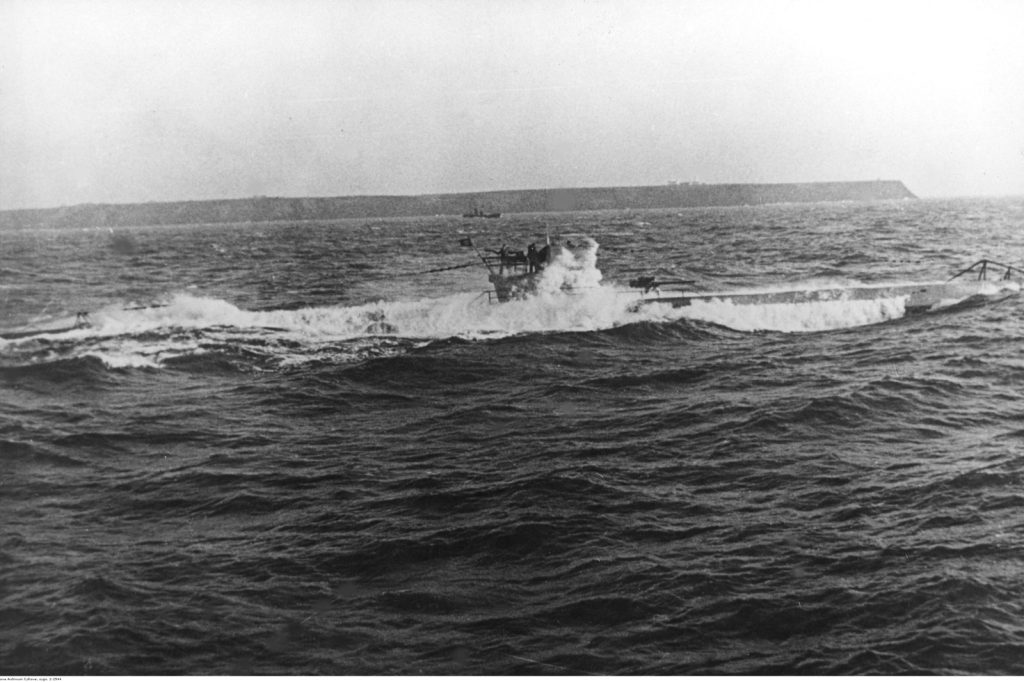
The German U-boat fleet, including the Type VII and Type IX classes, relied on diesel engines for surface propulsion. When they submerged, they switched to electric motors. This dual-drive system gave them range and stealth, but the diesel was the workhorse.
The U.S. Navy answered with its own diesel-electric submarines, the Gato-class. The USS Gato, launched in 1941, had a range of 11,000 nautical miles.
That kind of endurance changed what a submarine could do. It could patrol the Pacific for weeks, strike, and disappear. The war didn’t stop at the waterline.
Diesel engines also fueled tanks — the German Tiger I and the Soviet T-34 — as well as transport trucks that moved supplies across continents. The engine was everywhere. It was the quiet, greasy backbone of the Allied and Axis war machines.
Two commanders understood this better than anyone. On the German side, Karl Dönitz built his U-boat tactics around the diesel-electric submarine.
He knew that surface speed and submerged stealth were a deadly combination. On the American side, Admiral Chester Nimitz commanded a fleet that depended on diesel-powered submarines to cut Japanese supply lines across the Pacific. The numbers tell the story.
The Gato-class submarines alone could operate thousands of miles from home port, thanks to that 11,000-nautical-mile range. The war accelerated diesel engine development in ways peacetime never could.
Engineers pushed for more power, better fuel efficiency, and greater reliability under combat stress. The result was a generation of engines that could run for days without failure, in saltwater environments that corroded lesser machinery. That wartime R&D didn’t disappear in 1945.
It migrated directly into post-war commercial applications. Cargo ships, locomotives, construction equipment, and eventually long-haul trucks all inherited the technology forged in the Battle of the Atlantic and the Pacific island campaigns. What’s changing now is how we think about that legacy.
The diesel engine is no longer the default choice for new naval vessels or heavy transport. Battery-electric propulsion, hybrid systems, and even hydrogen fuel cells are competing for the same role.
But the engineering principles — the thermal efficiency, the torque curve, the reliability under load — those were set during World War II. The key locations were the Atlantic and Pacific Oceans. The U-boats hunted in the North Atlantic, trying to cut the lifeline between America and Britain.
The Gato-class submarines prowled the Pacific, targeting Japanese shipping. Both theaters were diesel-powered.
Both shaped the outcome of the war. The war also established the diesel engine as the standard for naval auxiliary power. Even today, many modern warships carry diesel generators for electricity, even if their main propulsion is gas turbine or nuclear.
That design philosophy — separate power sources for different operating conditions — was refined in the U-boats and American fleet submarines of the 1940s. So watch this space. As militaries and commercial fleets experiment with alternative fuels, they are rediscovering the same trade-offs that Dönitz and Nimitz faced: range versus stealth, speed versus endurance, power versus weight.
The diesel engine solved those trade-offs for a generation. The next solution may look very different, but the problem set is unchanged.
The shift is not away from diesel — it is toward whatever can match its wartime-proven reliability at scale. That is the real story, and it started in the 1940s.




