
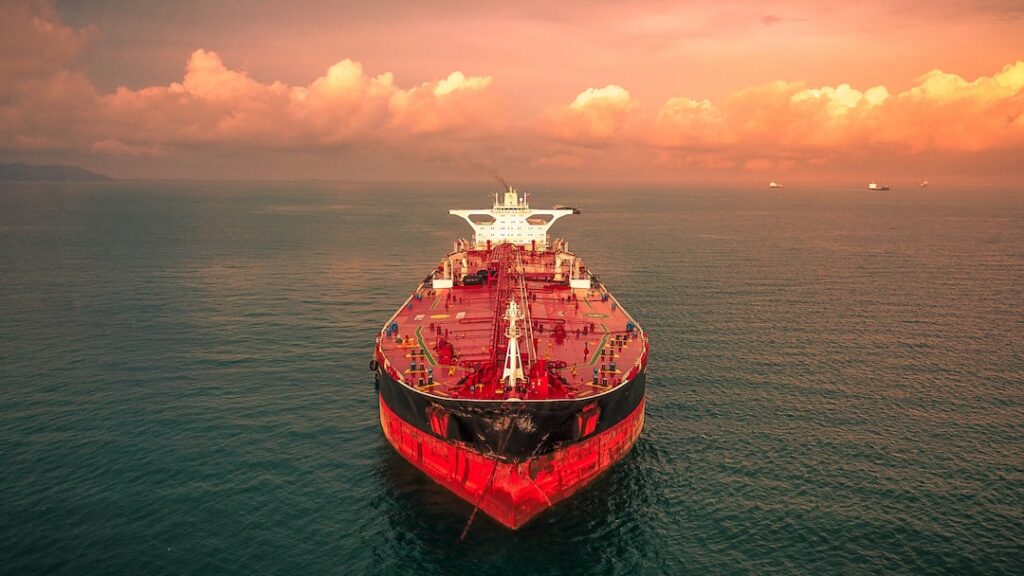
A second vessel, the MTKR “Jason Bradley,” has succumbed to the depths of Manila Bay, releasing diesel fuel into the waters. The Philippine Coast Guard, the country’s maritime law enforcer and protector of marine environments, is currently grappling with the potential environmental repercussions. The recent sinking follows the MT “Terra Nova,” which met a similar fate just days prior.
Manila Bay, a vital source of food and livelihood for millions, is now facing the threat of contamination from the diesel leak. The Coast Guard, with its extensive network of sixteen districts, fifty-four stations, and over one hundred ninety substations, is working tirelessly to mitigate the damage.
However, the extent of the fuel onboard the Jason Bradley at the time of the sinking remains undisclosed, a critical piece of information in assessing the severity of the situation. Manila Bay is a bustling hub of fishing, shipping, and drainage for the capital region. The ecosystem, already under pressure from pollution and waste, is now facing an additional challenge.
A single liter of diesel can contaminate a million liters of water, posing a significant threat to the local fish population and the livelihoods of small-scale fishers who rely on the catch for income. The Coast Guard’s swift response included sealing the leaks on the Jason Bradley, a step towards containment.
They are now conducting a comprehensive investigation into both incidents, aiming to uncover the causes and prevent future occurrences. Potential factors include mechanical failure, human error, overloading, poor maintenance, or adverse weather conditions. The Coast Guard’s long-term goal is to implement measures that prevent such incidents, focusing on understanding why these ships went down and addressing the underlying conditions.
Manila Bay, with its shallow waters, heavy traffic, and exposure to strong tides and monsoon winds, demands seaworthy vessels to survive. The Coast Guard has the mandate and personnel to ensure this, but they need clear answers and the authority to enforce necessary regulations.
For the people whose lives and livelihoods revolve around Manila Bay, the stakes are tangible. A contaminated bay could mean a depletion of fish stocks, leading to a loss of income and food security. The Coast Guard’s swift action on the Jason Bradley has bought time, but the bay is not yet safe.
Two sinkings in seven days serve as a stark warning. The question remains: are the right people listening?
Related Stories
Philippine Coast Guard Seals Manila Bay Diesel Leak Oil Tanker Stranded in Manila Bay: Potential Spill Threat Third Oil Spill in One Week Hits Bataan #DieselLeaks #SecondSunkenVessel #ManilaBay #Climate #News




