
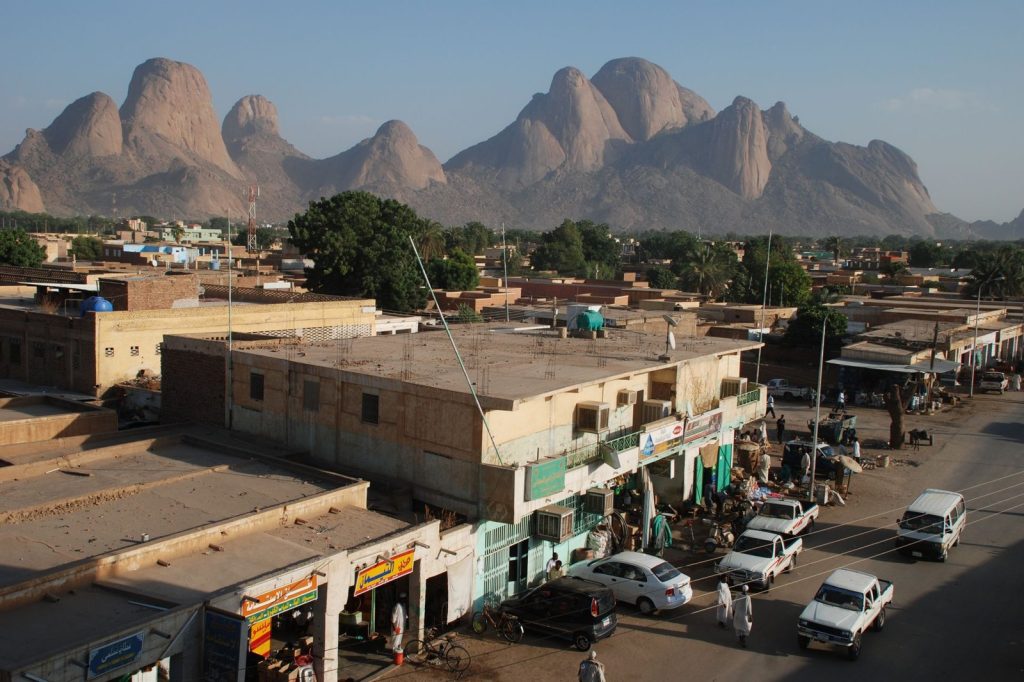
In Kassala State, eastern Sudan, floodwaters have not subsided but instead continue to rise and linger, creating a worsening humanitarian crisis. The death toll has reached twelve, though authorities expect this number to increase as the situation develops. The state spans 36,710 square kilometers, making it larger than Belgium, with an estimated population of 2.5 million as of 2018. Its geographical position—bordering Eritrea to the east, Khartoum to the west, and the Red Sea to the northeast—makes it a crossroads but also a natural catchment area during heavy rains.
The flooding has particularly affected internal displacement camps, which house people who had already fled conflict, persecution, or economic collapse. These temporary settlements, often overcrowded and lacking proper drainage, are now submerged. Residents have lost their belongings and shelter for a second time, compounding their vulnerability.
This disaster is not an isolated weather event but rather a test of a system already under strain. Kassala State experienced a severe bread shortage in 2016, reflecting long-standing infrastructure deficiencies. Roads, levees, grain storage facilities, and health clinics have been underfunded and overstretched for years. When floodwaters arrive, there is inadequate drainage and insufficient capacity to respond effectively.
The capital city, Kassala, along with towns including Aroma, Halfa el Jadida, and Khashm el Girba, are likely affected. These communities are home to people struggling to live and work in a country that offers limited opportunities. The poorest residents, particularly the displaced, face the greatest hardship.
Immediate international assistance is essential. Food, shelter, and medical care are critical to preventing further loss of life. While investing in renewable energy could reduce long-term economic and environmental risks, the current crisis demands urgent logistical solutions. Aid agencies must determine how to deliver supplies to submerged camps, prevent waterborne diseases in populations without clean water or dry ground, and rebuild shelters for those who had none initially.
Kassala State has endured repeated challenges from geography, climate, conflict, and economic failure. The flooding represents the latest in a series of setbacks. Residents have shown resilience, but the rising waters continue to pose a persistent threat that does not diminish with time.




