
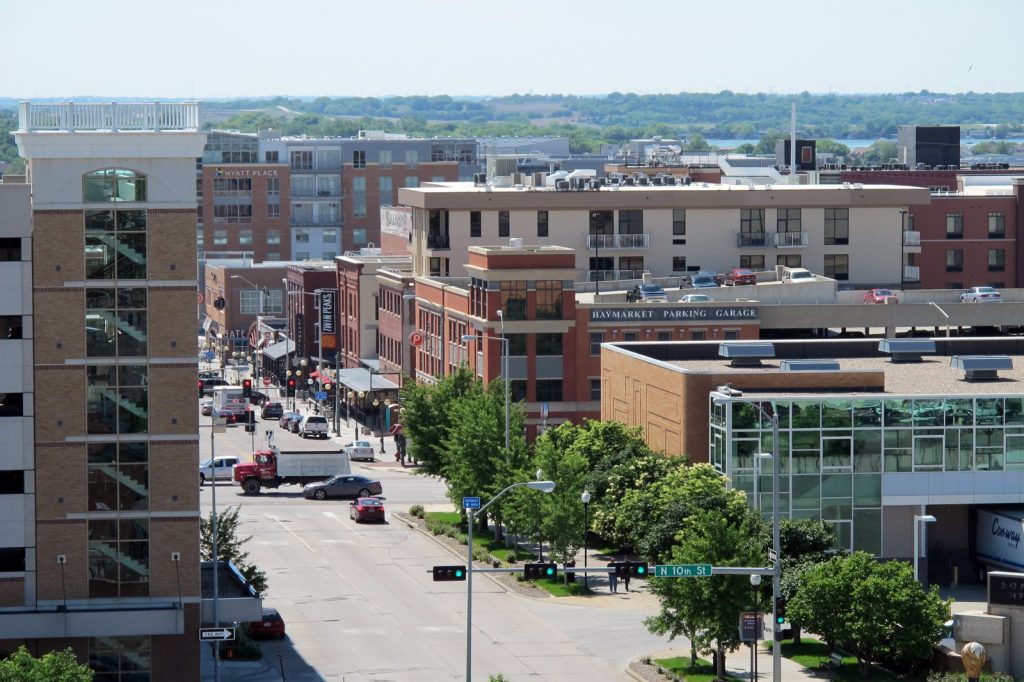
Nebraska, July 31, 2024 — cybernewschronicle.com — Strong thunderstorms and winds swept through eastern Nebraska on July 31, 2024, causing significant destruction and widespread power outages in the state’s two largest cities, Lincoln and Omaha. The severe weather brought daily life to a standstill, with residents struggling to cope with the loss of electricity and property damage. As the state begins to assess the full extent of the damage, concerns are being raised about the vulnerability of its infrastructure to extreme weather events.
Nebraska, a triple-landlocked state in the Midwestern United States, is no stranger to severe weather. Its location in the Great Plains region makes it prone to thunderstorms, tornadoes, and blizzards.
The state’s geography, with its rolling hills and vast plains, can also exacerbate the impact of strong winds and heavy rainfall. As the population of Nebraska continues to grow, with an estimated 2,018,006 people calling the state home as of 2025, the need for resilient infrastructure and effective emergency response systems has never been more pressing. The city of Omaha, located on the Missouri River, was particularly hard hit by the storms.
The city’s proximity to the river makes it vulnerable to flooding, and the strong winds caused significant damage to buildings and power lines. In Lincoln, the state capital, residents reported widespread power outages and property damage, with many trees uprooted and roofs torn off houses.
The full extent of the damage is still being assessed, but it is clear that the storms will have a significant impact on the state’s economy and environment. As Nebraska begins to recover from the storms, attention is turning to the state’s energy infrastructure. The widespread power outages highlight the need for a reliable and resilient energy system, one that can withstand extreme weather events.
Renewable energy sources, such as wind and solar power, offer a promising solution. Not only can they provide energy security and reduce costs, but they can also help to reduce the state’s reliance on fossil fuels. As the state looks to the future, investing in renewable energy and energy efficiency will be critical to building a more sustainable and resilient energy system.
The storms also serve as a reminder of the importance of protecting the environment. Nebraska’s natural beauty, from the Sandhills to the Missouri River, is a valuable resource that deserves to be preserved for future generations.
This will require investing in infrastructure, such as stormwater management systems and green roofs, as well as promoting sustainable land use practices. By taking a forward-thinking approach, Nebraska can reduce the risk of damage from future storms and build a more resilient and sustainable community.
As the state moves forward, it is clear that the road to recovery will be long and challenging, but with a focus on sustainability and resilience, Nebraska can emerge stronger and more vibrant than ever.




