Residents of Omsk were already queuing at gas stations before dawn on October 8, 2026, in a country short of fuel, when Ukrainian drones reached the city’s refinery. Omsk governor Vitaly Khotsenko acknowledged on Telegram that at least one drone had slipped through and hit the facility.
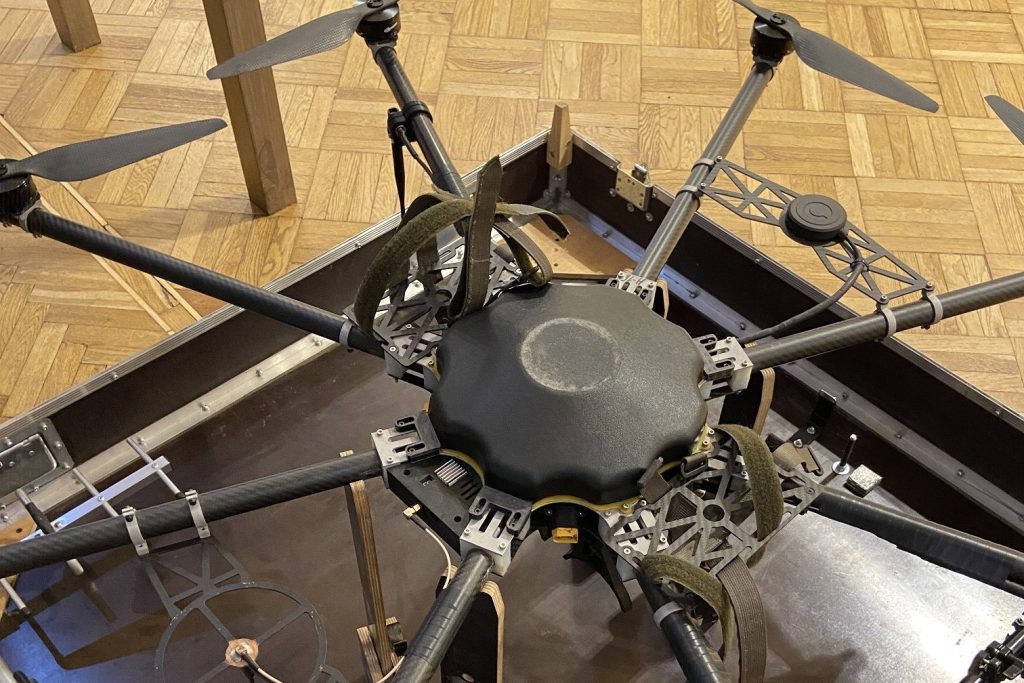
Ukraine’s Special Operations Forces said “Deep Strike” units carried out the attack with upgraded FP-1 drones made by Fire Point. They described a flight path of roughly 3,000 km. The refinery sits in Western Siberia, beyond the Ural Mountains and more than 2,500 km from Ukraine’s border. It is operated by Gazprom Neft.
It was the second hit on the plant. A drone strike on July 6 had already forced it offline.
What Omsk produces
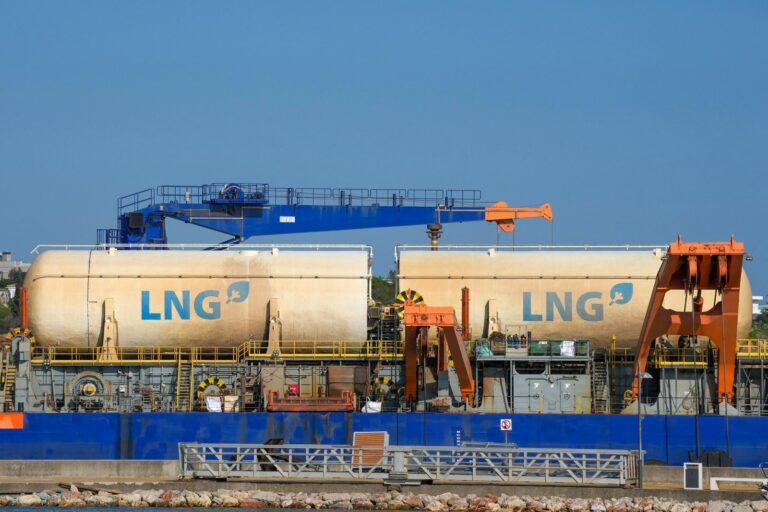
Omsk is Russia’s largest refinery. It processed roughly 22 million tonnes of crude in 2024, equal to approximately 440,000 barrels per day, and turned out five million tonnes of gasoline and eight million tonnes of diesel a year. That is about one-fifteenth of the country’s refining capacity.
Russia’s Defense Ministry said its air defenses intercepted 399 Ukrainian drones across 18 regions during the same overnight operation.
Ukraine’s General Staff said Omsk was the last of Russia’s eleven biggest gasoline producers to be targeted, so every one of them has now been struck at least once. It framed the campaign as “the exercise by Ukraine of its inalienable right to self-defence in accordance with Article 51 of the UN Charter” and said it aims to reduce Russia’s military and economic potential. The General Staff also claimed that as of July 2026, strikes since August 2025 had disabled more than 42% of Russian refining capacity. That is a Ukrainian government claim. The damage assessment at Omsk was still open.
A data center in Ryazan
The same night, a separate drone hit Yandex’s largest data center, in Sasovo, Ryazan Oblast. NASA’s FIRMS satellite service independently confirmed a fire there. The Moscow Times reported that it was the first strike on Russian data infrastructure since the February 2022 invasion, and that Russia had itself hit at least eight major Ukrainian data centers in the preceding weeks.
Yandex said operations were completely suspended. “The scale of the damage to the infrastructure is still being assessed,” the company said. “For the moment, we cannot confirm whether it is possible to restore the data centre equipment in Sasovo.”
According to Meduza, the site houses two of Yandex’s three Nvidia A100-based supercomputers, the hardware behind YandexGPT. Downdetector logged more than 1,300 user reports of problems with Yandex Cloud, Yandex Documents and Yandex Tables. Search and the taxi platform stayed up. Yandex shares fell more than 3.4% on the Moscow Exchange, the Moscow Times reported.
The summer campaign
The Omsk raid followed a heavy June. On June 18, Ukraine sent drones at Moscow in what became the largest assault on the capital of the four-year war, and the Gazprom Neft refinery in the Kapotnya district burned. Reuters, citing two industry sources, reported that the plant stopped processing crude and was not expected to restart until 2027. Russian authorities said at least 16 people were injured across the Moscow region.
Energy Intelligence analysts estimated that by early June about 2.14 million barrels per day of Russian refining capacity, roughly one-third of the national total, was already offline. More than 25 Russian regions had restricted gasoline sales.
Russia’s Defense Ministry reported shooting down 555 drones nationwide on the night of June 18. On June 26 it reported 660 in one night across 12 regions, a record. President Volodymyr Zelensky had announced a 40-day operation the day before to press Russia toward ending the war.
Whether Omsk restarts within weeks or stays dark for months is the open question. The July outage lasted an undisclosed length of time.
Sources
- Ukraine Hits Russia's Largest Refinery Again and Yandex's Biggest Data Center
- Ukraine Drone Blitz Burns Moscow Refinery: One-Third of Russian Refining Goes Offline