
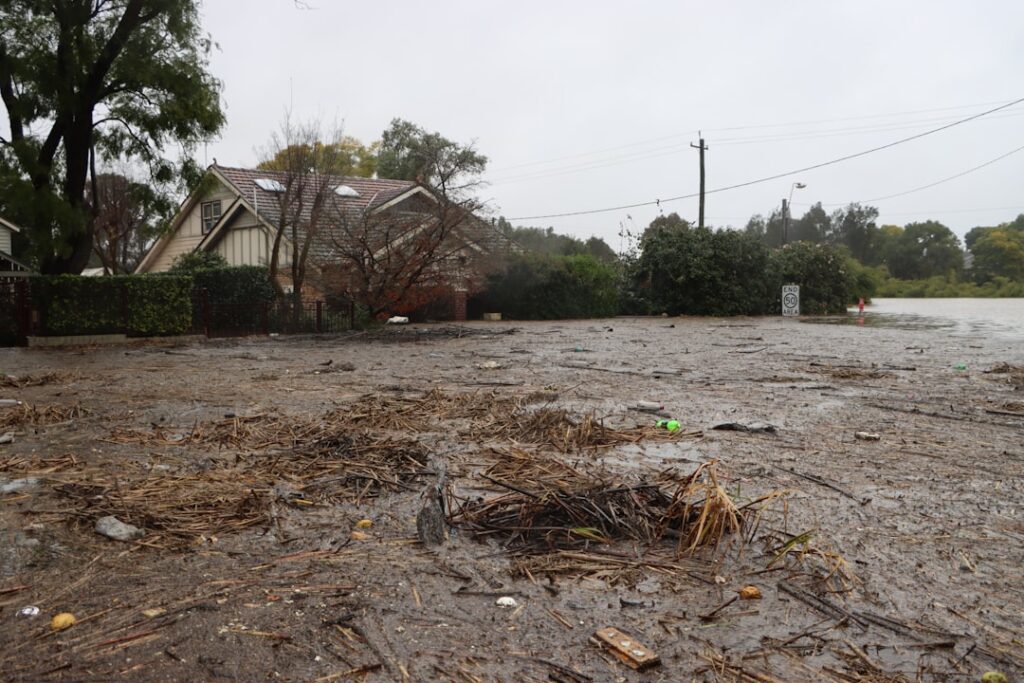
Eastern Cape Storm Claims 49 Lives, Including Four Schoolchildren
The death toll from the recent winter storm in South Africa’s Eastern Cape has climbed to forty‑nine, with the number still rising. Among those lost are four schoolchildren who were on their way to class when the weather turned deadly. The storm brought intense rain and snow to a province whose rugged landscape and fragile infrastructure have long made it susceptible to flooding. The region’s geography channels water into low‑lying settlements, while its roads are narrow, its bridges ageing, and many homes are constructed from whatever materials are at hand.
When the precipitation fell, the ground could not absorb the volume, causing water to surge rapidly. The flood swept away people, including the children walking to school, underscoring how the tragedy moves the conversation from mere property loss to a stark human failure.
Questions inevitably arise: why were youngsters travelling on routes that could not withstand the water, and why were schools situated in flood‑prone zones? These inquiries are not new; they surface after every inundation in impoverished provinces across the continent, yet answers often fail to materialise before the next storm hits. Rescue teams are now working to pull survivors from submerged areas, striving to reach those isolated by washed‑out roads and collapsed bridges.
Authorities have pledged assistance, emergency services are active, and the international community is being called upon to send aid. While such responses are standard and necessary, they do not confront the deeper pattern that links extreme weather to chronic underinvestment.
Essential services have been disrupted; clean water is scarce and electricity remains off across large swaths of the province. Daily life has come to a halt, and the time required to restore normality depends on how quickly roads can be rebuilt, power lines restrung, and water trucks dispatched to remote communities. In the Eastern Cape, these processes invariably take time, and they always have.
Some scientists point to a broader climatic shift, arguing that extreme weather events are growing more frequent. The current storm fits that trend: heavy winter downpours combined with snowfall are not unprecedented, but they are occurring with greater regularity.
The Eastern Cape stands on the front line of this change, bearing the consequences of a global system its residents did not create. Environmentalists warn that the deluge does more than destroy homes; it scours riverbanks, drowns habitats, and forces wildlife into unfamiliar terrain. The full ecological impact may take years to assess, by which point the news cycle will have moved on and the floods will be reduced to a statistic.
Immediate priorities remain food, shelter, and information about missing loved ones. Yet the disaster also lays bare a structural vulnerability: a province with inadequate infrastructure, limited resources, and a growing population now lies in the path of increasingly violent weather.
The next storm will arrive, and the pressing question is whether any meaningful change will have taken place by then. The government’s pledge of help is a crisis‑time promise; whether it endures after the waters recede remains uncertain. Relief operations are costly, and rebuilding demands even greater expenditure, a challenge for a region that, like many parts of South Africa, operates on a tight budget.
The international community has been urged to contribute, and some nations and organisations have already offered resources, though the assistance that arrives will likely fall short of what is needed. At present, forty‑nine lives have been lost, four of them children.
The waters have not fully receded, and rescue crews have not reached every pocket of stranded survivors. Consequently, the final toll is expected to rise, landing on a province that was already struggling before the first drops of rain began to fall.




