
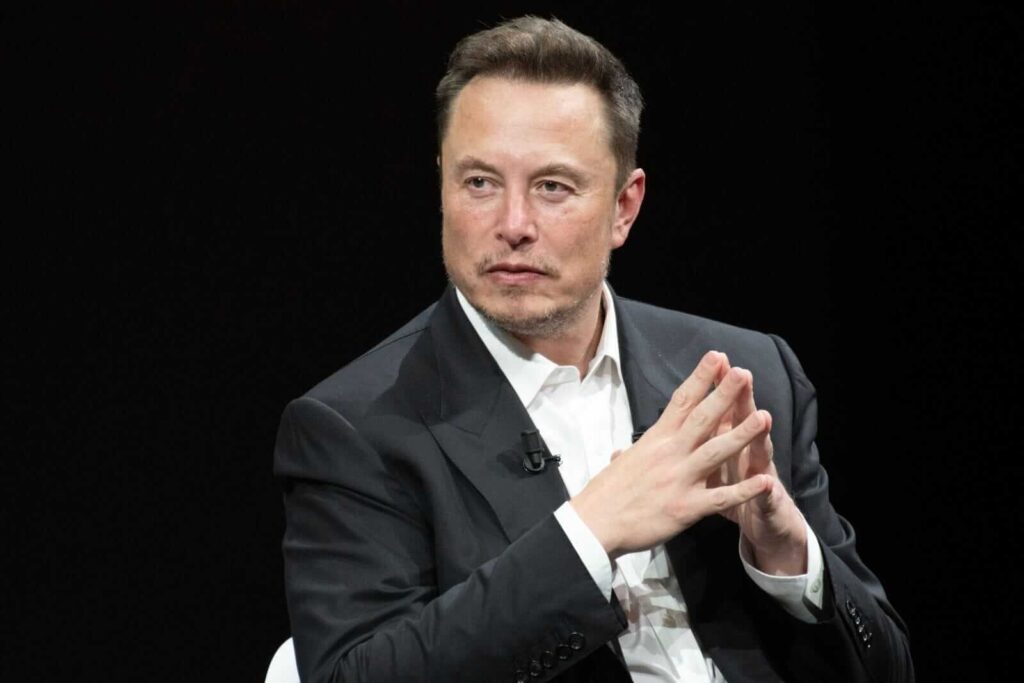
Two of the world’s wealthiest technology entrepreneurs, Elon Musk and Jeff Bezos, have turned their corporate rivalry into a defining force in American space exploration, with their companies locked in legal disputes, patent clashes, and competing proposals for NASA’s most ambitious lunar program. Each man’s personal fortune exceeded $100 billion as of 2025, providing substantial resources for their respective ventures into space technology.
Legal Battles and Regulatory Friction
The competition between SpaceX and Blue Origin has repeatedly spilled into courtrooms and regulatory agencies. In 2021, Blue Origin sued NASA over the agency’s decision to award a $2.9 billion lunar lander contract to SpaceX, challenging the selection process. The following year, Amazon—the e-commerce giant founded by Bezos in 1994—filed complaints with the Federal Communications Commission over SpaceX’s satellite deployment plans, seeking to slow the expansion of Musk’s Starlink network. Beyond contract disputes, the two companies have also clashed over intellectual property.
In 2015, SpaceX challenged a Blue Origin patent covering technology for landing rockets at sea, a key capability for reusable launch systems. Both companies have pursued reusable rocket technology as a means to lower the cost of access to space, making such patents strategically important.
These legal skirmishes reflect a deeper rivalry rooted in the divergent paths of the two entrepreneurs. Musk, born in 1971, began his career in the technology industry during the 1990s, co-founding a web software company and an e-commerce payment system before establishing SpaceX in 2002. Bezos, born in 1964, founded Amazon in 1994 and later founded Blue Origin in 2000.
Public Exchanges and the Lunar Prize
The tension between the two billionaires became visible to the public in 2023, when Musk and Bezos exchanged criticisms on social media. These exchanges highlighted the broader corporate ambitions of each leader: SpaceX has secured a series of high-profile NASA contracts, while Blue Origin continues to develop its own heavy-lift rocket and lunar lander systems.
The Artemis program—NASA’s effort to return astronauts to the Moon—has emerged as the central arena for this competition. Both SpaceX and Blue Origin have submitted proposals for various elements of the Artemis program, including crewed landing systems and cargo delivery services. SpaceX’s Starship is under development as a human landing system, while Blue Origin is working on its Blue Moon lander and New Glenn rocket.
Each company’s approach reflects different engineering philosophies and business strategies, but both aim to meet NASA’s requirements for sustained lunar exploration. The contracts awarded under Artemis will likely shape the direction of American spaceflight for years to come.
Shaping the Future of Space Exploration
The rivalry between Musk and Bezos matters because it is directly shaping the future of space exploration. Both men are investing heavily in space technology, and their companies’ actions and decisions are influencing the direction of the industry. The competition between SpaceX and Blue Origin is driving progress and innovation, as each firm seeks to outperform the other in developing cost-effective, reliable launch systems and landers.
As of mid-2026, the rivalry shows no signs of cooling. The two billionaires remain deeply invested in their space ventures, and their companies continue to compete for the same pool of federal contracts and commercial opportunities.
For observers of American spaceflight, the dynamic between Musk and Bezos has become a central storyline—one that underscores how private enterprise, fueled by immense personal wealth and ambition, is pushing the boundaries of what is possible beyond Earth’s atmosphere. The broader significance of this competition lies in its potential to accelerate technological breakthroughs, reduce launch costs, and expand humanity’s presence in space.




