
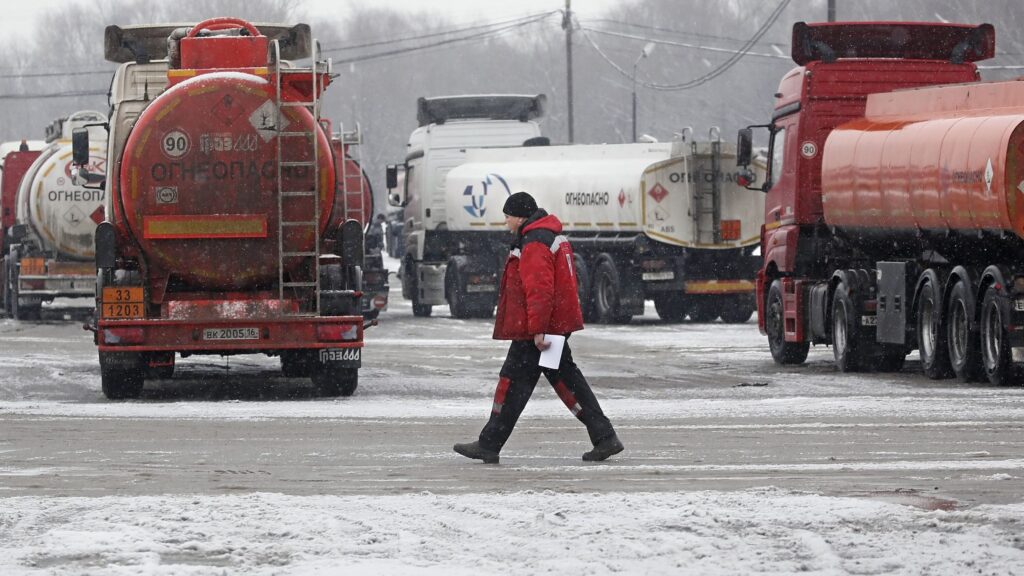
A comprehensive ban on Russian refined oil products—including diesel, gasoline, and jet fuel—took effect across Europe on Sunday, February 5, 2023. The measure represents the latest step in Western efforts to curtail Moscow’s energy revenues following its invasion of Ukraine.
The European Union, in coordination with the Group of Seven allied democracies, simultaneously implemented a price cap mechanism for these products. Under this system, Western insurance and transportation companies—most of which are headquartered in the United States, Europe, and allied nations—are prohibited from handling any diesel sold above $100 per barrel. This approach mirrors the $60 per barrel cap on Russian crude oil that was introduced in December 2022. Both caps remain subject to future tightening.
The strategy aims to maintain global supplies of diesel—essential for powering trucks, farm machinery, and industrial equipment—while limiting the financial resources available to Moscow’s military operations. Thomas O’Donnell, a global fellow at the Washington-based Wilson Center, described the dual objective: “Once we have these price caps set, we can squeeze the Russian price and deny them, deny Putin money for his war, without a price spike that’s going to hurt Western economies and developing economies.”
Impact on Diesel Prices and Supply Chains
Diesel holds particular significance for the European economy, fueling transportation, agriculture, and industry. Prices had already risen due to pandemic-related demand recovery and export restrictions. The new embargo forces the 27-nation EU to source fuel from the United States, the Middle East, and India—routes considerably longer than those from Russian ports, placing strain on available tanker capacity.
Analysts anticipate possible short-term price increases as markets adjust but argue that if the cap functions as intended and Russian diesel continues flowing to non-Western buyers, sustained price rises should be avoided. According to European Commission weekly oil market data, diesel pump prices have remained stable since early December 2022, standing at 1.80 euros per liter ($7.37 per gallon) as of January 30. In Germany, the EU’s largest economy, gas prices had fallen 2.6 cents to 1.83 euros ($7.48) per liter by January 31.
The ban includes a 55-day grace period for diesel already loaded onto tankers before the February 5 deadline. EU representatives noted that importers have had since the embargo was announced in June 2022 to prepare.
Russia’s Revenue and Market Adjustments
Russia generated over $2 billion from diesel sales to Europe in December 2022 alone, with importers apparently stockpiling additional purchases ahead of the ban. The price cap is set at roughly current Russian diesel prices, meaning it will not immediately reduce Moscow’s income but will prevent Russia from profiting from any sudden price spikes in refined products. Russia’s primary challenge now involves finding new customers rather than evading the cap.
The measure allows countries such as China and India—which have not joined Western sanctions—to continue purchasing Russian diesel at or below $100 per barrel without facing Western penalties. These nations remain key buyers of Russian oil products.
Broader Strategic Context
The diesel embargo follows previous EU bans on Russian coal and most crude oil, while Moscow has halted most natural gas exports to Europe. The coordinated Western strategy seeks to weaken Russia’s ability to fund military operations without causing economic disruption at home. Chinese demand for oil products may rise as that country’s economy strengthens following the lifting of COVID-19 restrictions, potentially pushing global prices higher—a scenario the price cap is designed to prevent Russia from exploiting.
The success of this approach depends on enforcement and Russia’s ability to secure alternative buyers. For now, the EU is betting that the cap will maintain market stability while starving Moscow of war funding.




