
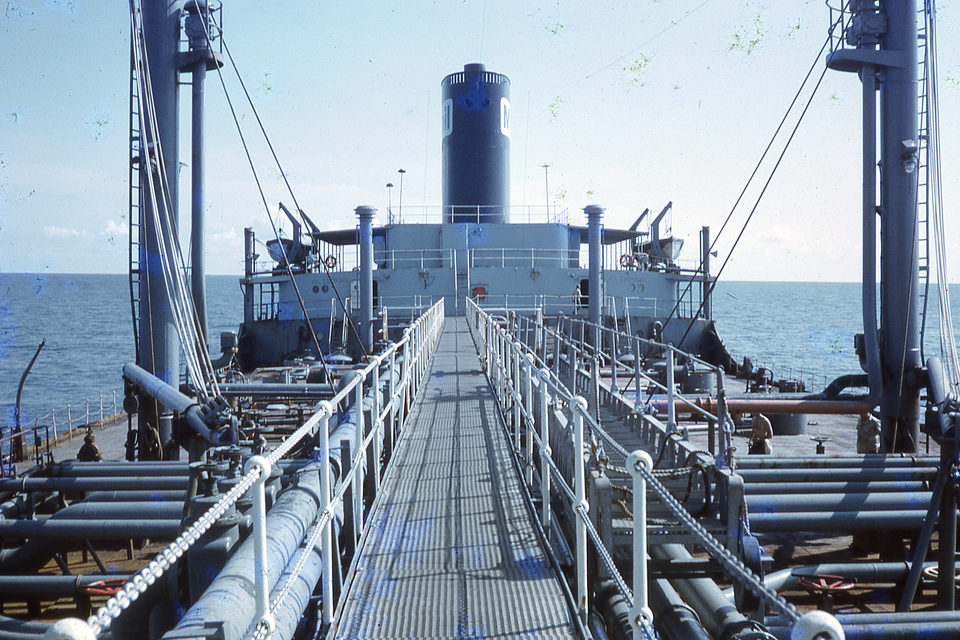
BRUSSELS, July 19 — The shadow fleet, Russia’s principal workaround for the G7 oil price cap, has quietly swollen into a collection of aging tankers that by some estimates numbers between 400 and 600 vessels. The catch is that the cap itself — $60 per barrel, enforced by the G7 and the European Union since December 2022 — was designed to deny Russia the revenue it needs to fund its war in Ukraine. The fleet’s existence shows the mechanism is leaking.
The mechanics here are straightforward but deliberately opaque. Standard tankers carrying Russian oil sold above the cap cannot use Western insurance or shipping services.
So Russia turns to a parallel network of older vessels that often lack standard insurance, conduct ship-to-ship transfers at sea to mask cargo origins, and change ownership frequently to obscure their real controllers. Many of these tankers are over 15 years old and have poor safety records. The fleet has grown significantly since the cap was introduced.
The mechanics of evasion
Follow the money, and the flag-of-convenience system emerges as the enabler. The source notes that many shadow fleet tankers now operate under flags from Panama, Liberia, and the Marshall Islands — jurisdictions that offer registration with minimal questions asked. This allows Russia to sell oil at prices above the $60 cap, directly undermining the G7-EU policy.
The price cap prohibits Western shipping and insurance services for Russian oil sold above that level, but the shadow fleet steps in to fill the gap. On closer reading, the fleet is not a monolith.
It is a loose constellation of vessels that can be difficult to track, partly because ownership changes hands rapidly. Western authorities have stepped up enforcement: detaining vessels and imposing sanctions on ship owners. The G7 and the EU have committed publicly to tracking and penalizing shadow fleet activities.
But the fleet’s very structure — old ships, uninsured, quickly renamed — makes enforcement a game of catch-up.
The environmental catch
There is a second, less discussed consequence. The fleet poses environmental risks due to uninsured spills and an increased likelihood of accidents. An aging tanker that lacks standard insurance and changes name every few months is a poor candidate for the kind of maintenance that prevents oil spills.
If a shadow fleet vessel runs aground or collides in a busy strait, the cleanup costs — and the liability — may fall on coastal states rather than the ship’s beneficial owner. The logic is brutal: Russian oil moves, revenue flows, and the environmental bill is left unpaid.
What to watch next: enforcement is tightening. Western authorities have already detained some vessels and sanctioned ship owners. The G7 and EU have committed to tracking and penalizing shadow fleet activities.
Whether they can match the fleet’s capacity for reinvention will determine if the cap regains any bite — or if the shadow fleet becomes a permanent, uninsured fixture of global oil trade.
{“@context”: “https://schema.org”, “@type”: “NewsArticle”, “headline”: “Shadow Fleet Expands To Bypass G7 Oil Price Cap On Russia”, “description”: “BRUSSELS, July 19 — The shadow fleet, Russia’s principal workaround for the G7 oil price cap, has quietly swollen into a collection of aging tankers…”, “datePublished”: “2026-07-19T09:30:00+00:00”, “author”: {“@type”: “Person”, “name”: “Beatrice Ferrari”}, “publisher”: {“@type”: “Organization”, “name”: “InfoPulse Today”, “url”: “https://newsfeed.infopulsetoday.com/”}}




