
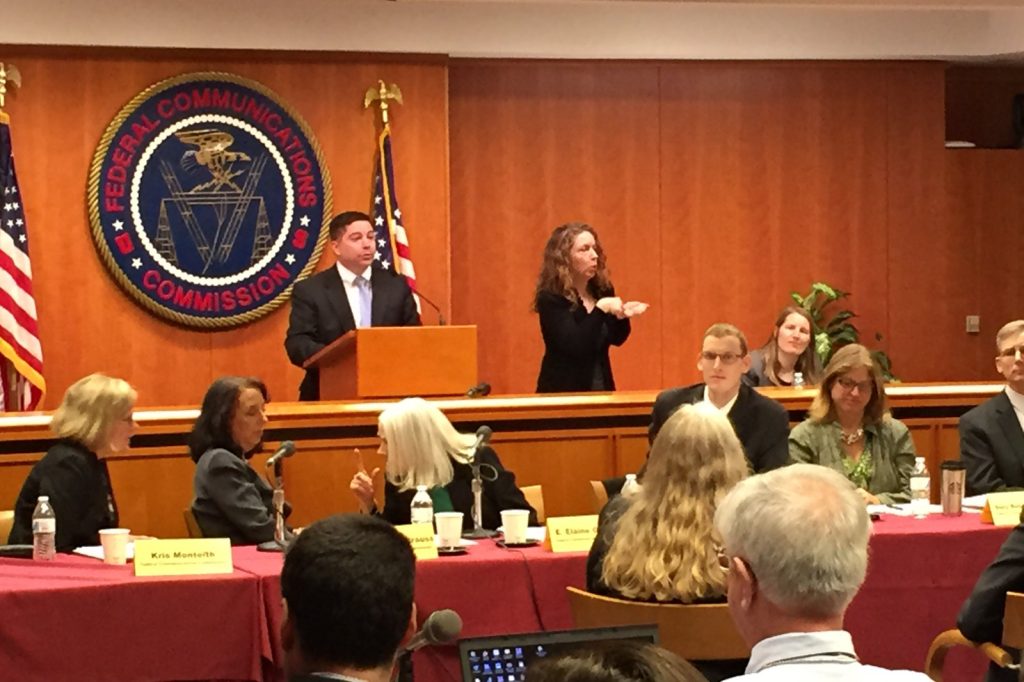
WASHINGTON, July 7 — A quiet but consequential battle is brewing in Washington over the fate of the National Environmental Policy Act, or NEPA, and its application to the thousands of satellites now circling our planet. At the center of it all is the Federal Communications Commission, which is expected to vote in late 2025 on a proposal that would exempt satellite operators from submitting environmental assessments when deorbiting their spacecraft.
For communities across Asia and the Pacific, where satellite internet services like Starlink are expanding rapidly, this is not a distant regulatory squabble — it is a decision that could shape the debris field above their heads and the cost of their connectivity for decades. The five FCC commissioners are set to decide whether to approve a rule change that would effectively accelerate the replacement cycle for large satellite constellations.
If the exemption passes, operators would no longer need to file detailed environmental reviews before deorbiting old satellites and launching new ones. This could mean faster upgrades for services beaming internet to remote villages in the Philippines, Indonesia, and other archipelagic nations where fiber optic cables are impractical. But it also raises the risk of more debris lingering in orbit, as faster replacement cycles could lead to more satellites reaching end-of-life without proper disposal planning.
Rejection of the proposal would take the FCC in a different direction entirely. The agency might then require cumulative impact studies for large constellations — a move that environmental groups and some lawmakers have been pushing for years.
Such studies would assess the combined effect of thousands of satellites burning up in the atmosphere, releasing aluminum oxides and other pollutants into the upper atmosphere. For families across the region who rely on satellite internet for education, healthcare, and daily communication, the outcome of this vote will determine whether their service gets faster or more expensive — or both.
The science of reentry pollution
While the FCC deliberates, the scientific community is moving ahead with its own investigations. NASA and the National Oceanic and Atmospheric Administration are planning a joint study in 2026 to measure aluminum oxide concentrations in the mesosphere using high-altitude balloons and aircraft. This is the first time such a coordinated effort has been announced, and it reflects growing concern about the environmental footprint of the space industry.
Aluminum oxide particles, which form when satellite components burn up, can persist in the atmosphere for years. They can affect ozone chemistry and alter the reflectivity of the upper atmosphere, potentially influencing climate patterns.
For communities in the Asia-Pacific region, where monsoon seasons and agricultural cycles are tightly tied to atmospheric conditions, the stakes are high. The NASA-NOAA study will provide the first direct measurements of these particles at the altitudes where they are most concentrated, offering data that could inform future regulatory decisions. The European Space Agency has also announced its own research initiative focused on satellite reentry pollution.
This parallel effort underscores the global nature of the issue. While the United States and Europe lead in satellite deployment, the debris and atmospheric effects do not respect national borders.
The ESA study will complement the NASA-NOAA work, giving policymakers a more complete picture of what happens when thousands of satellites return to Earth each year.
Legislation and international talks
On Capitol Hill, Representative Earl Blumenauer of Oregon has introduced the Satellite Environmental Responsibility Act, a bill that would require the FCC to conduct environmental reviews for satellite constellations. The legislation, introduced in March 2025, has been referred to the House Energy and Commerce Committee. If it advances, it would effectively reverse the FCC’s proposed exemption and mandate the kind of cumulative impact studies that environmental advocates have long sought.
For families across the region who have watched satellite constellations multiply overhead, this bill represents a legislative check on an industry that has largely operated without environmental oversight. Internationally, the United Nations Committee on the Peaceful Uses of Outer Space, known as COPUOS, is discussing guidelines for satellite end-of-life disposal.
A working group report is due in 2026, and the outcome could influence how nations regulate their own satellite operators. For countries like Japan, India, and Australia, which are active in space and have growing satellite internet ambitions, these guidelines will matter. The COPUOS discussions are slow-moving by design, but they provide a forum where developing nations can have a voice in shaping the rules of the orbital commons.
Closer to home, the implications for Filipino communities are direct. Satellite internet has been hailed as a solution for the country’s connectivity gap, bringing the web to islands where undersea cables have not reached.
But if the FCC exemption passes and replacement cycles accelerate, the number of satellites burning up over the Pacific could increase sharply. The aluminum oxide particles released during reentry could affect the very atmosphere that governs the typhoon season and the monsoon rains that millions depend on for their livelihoods.
What to watch next
The FCC vote in late 2025 will be the first major decision point. If the exemption passes, expect satellite operators to announce faster deployment schedules. If it is rejected, prepare for a wave of environmental impact studies that could delay new launches and raise costs.
The NASA-NOAA study in 2026 will provide the first hard data on atmospheric pollution from satellite reentry, and that data could shift the debate in either direction. Meanwhile, the Blumenauer bill and the COPUOS working group report will keep the pressure on regulators to act.
{“@context”: “https://schema.org”, “@type”: “NewsArticle”, “headline”: “FCC Vote and Research Shape Satellite Reentry Regulations”, “description”: “WASHINGTON, July 7 — A quiet but consequential battle is brewing in Washington over the fate of the National Environmental Policy Act, or NEPA, and…”, “datePublished”: “2026-07-07T09:30:00+00:00”, “author”: {“@type”: “Person”, “name”: “Merry Gel Sigui”}, “publisher”: {“@type”: “Organization”, “name”: “InfoPulse Today”, “url”: “https://newsfeed.infopulsetoday.com/”}}




