
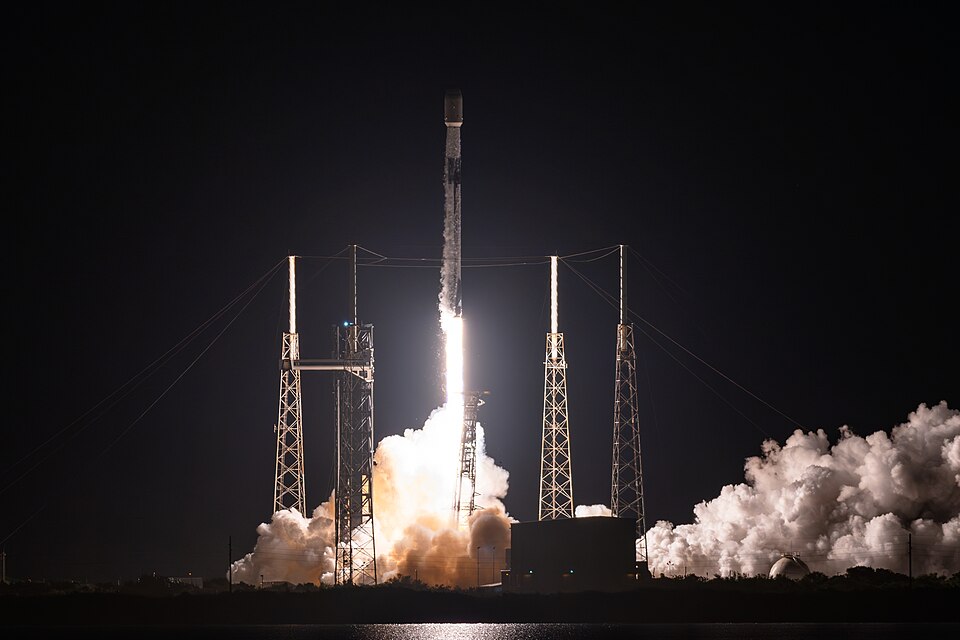
WASHINGTON, July 7 — In the corridors of American regulatory power, a quiet but consequential battle is unfolding over the environmental oversight of the satellite industry, and at its centre stands SpaceX, the dominant force in low-Earth orbit. The company, founded by Elon Musk in 2002, has already launched over 6,000 Starlink satellites as of 2024, making it the leading proponent of large satellite constellations.
SpaceX argues that its satellites are designed to be fully demisable, a technical term meaning they burn up completely upon re-entering the atmosphere, thereby minimising the creation of space debris. Against this backdrop, the Federal Communications Commission (FCC), the regulatory body responsible for licensing satellite operations, has proposed exempting satellites from review under the National Environmental Policy Act (NEPA).
This proposal has ignited opposition from a coalition of environmental groups. The Sierra Club, the Union of Concerned Scientists, and the Environmental Working Group have all filed comments with the FCC, urging the agency to require a full environmental impact statement before moving forward. What is at stake, these organisations argue, is not merely the management of orbital traffic but the potential atmospheric consequences of thousands of satellite reentries.
The debate extends beyond advocacy groups into the realm of academic research. Dr. Aaron Boley of the University of British Columbia has published studies examining the potential ozone impacts of satellite disposal.
His work raises questions about the cumulative effect of burning up thousands of satellites in the upper atmosphere each year, a process that releases metallic oxides and other compounds that could, in theory, catalyse ozone-depleting reactions. The National Oceanic and Atmospheric Administration (NOAA) has also expressed interest in studying these atmospheric effects. NOAA’s involvement signals that the issue has moved from a niche concern among space scientists to a matter of broader environmental significance.
The FCC, led by Chairwoman Jessica Rosenworcel, finds itself caught between the imperative to foster a growing industry and the demands of environmental oversight. The proposal to exempt satellites from NEPA review would streamline the licensing process, a move that industry advocates say is necessary to keep pace with technological development. But the environmental groups pushing back argue that such an exemption would bypass a critical check on potential harm.
The FCC has not yet issued a final ruling on the NEPA exemption. The comments filed by the Sierra Club, the Union of Concerned Scientists, and the Environmental Working Group will be weighed alongside industry submissions.
Meanwhile, NOAA’s interest in studying atmospheric effects suggests that the scientific community is far from settled on the question of whether the current generation of satellites poses a meaningful environmental risk. With SpaceX’s Starlink constellation already numbering over 6,000 satellites and plans for many more, the question of environmental review is not going away. The coming months will show whether the FCC moves toward exemption or toward a more rigorous assessment.




