
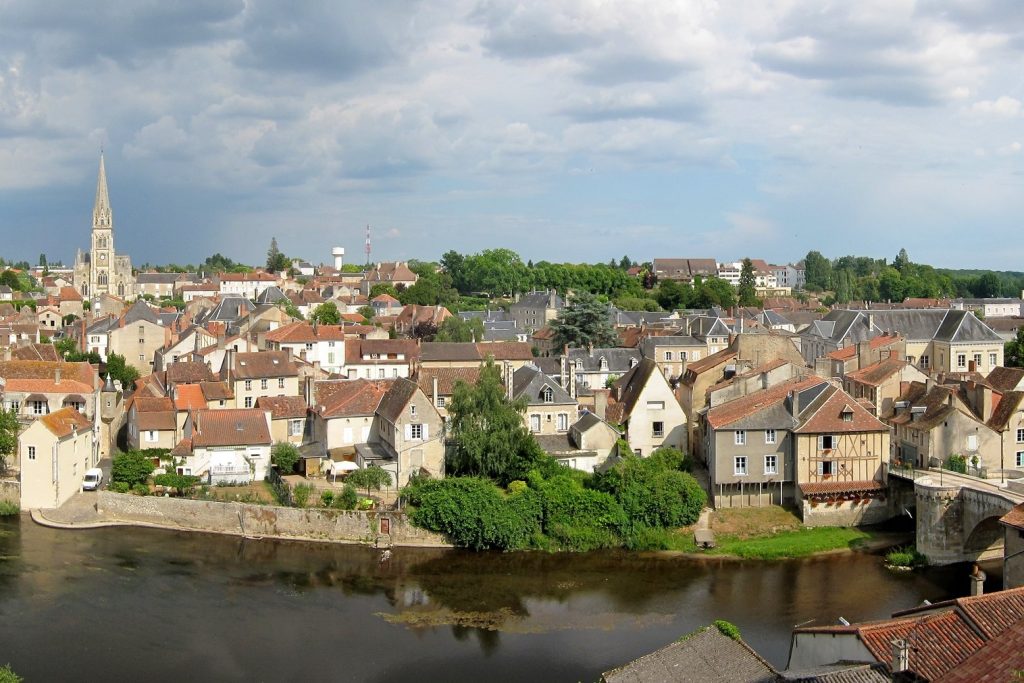
On 31 March 2024, the sub‑prefecture of Montmorillon in France’s Vienne department was hit by an intense bout of rain that quickly turned streets, homes and cultural venues into flood zones. Known locally as the “City of Writing,” the town’s identity rests on its writing‑themed museums and a dense network of bookshops that cater to every genre.
Those very institutions now lie under water. Residents report that the deluge arrived after a period of already saturated ground, leaving little capacity for drainage. Water rushed into low‑lying areas, filling basements and pouring into storefronts.
For a small town whose economy depends heavily on tourism linked to its literary heritage, the damage is immediate and multifaceted. A soaked inventory means not only lost merchandise but also the loss of community gathering points that attract visitors.
Montmorillon is not a metropolis with countless alternative attractions; its cultural draw is concentrated in its writing museums and bookshops. The flood’s impact on paper and ink threatens the very symbols of the town’s brand. While the Vienne department has experienced flooding before, each event adds to the cumulative strain on infrastructure and local businesses. In the wake of the water’s retreat, neighbors are already mobilising.
Shop owners are pumping out flooded basements, and community members are assisting one another with clean‑up efforts. Nevertheless, full damage assessments are expected to take days or even weeks.
Insurance adjusters will soon visit, and claims are likely to be filed. Some enterprises may never reopen, and certain families could be forced to relocate. Although Montmorillon’s status as a sub‑prefecture grants it administrative significance, this does not instantly translate into financial aid for reconstruction.
The broader context highlighted by officials points to changing climate patterns, with heavier and faster rains becoming more common. Reports accompanying the incident cite renewable energy—solar and wind—as part of a longer‑term solution to reduce reliance on fossil fuels and improve resilience.
For now, the priority remains the standing water that still blocks streets. The town’s celebrated literary legacy, far from being merely a marketing slogan, serves as a source of collective strength. Museums honoring the art of writing and long‑standing bookstores embody creativity—a quality the community will need as it plans both recovery and future safeguards.
Questions loom about how to protect a locale built around paper from future inundations. The flood struck on a Sunday, and recovery operations are set to begin the following Monday.
Montmorillon’s inhabitants will soon evaluate the extent of the loss, support one another, and confront the reality that their unique town sits within a floodplain vulnerable to continued heavy rainfall.




