
LONDON, July 8 — The G7 price cap on Russian crude oil, introduced on December 5, 2022, was always a clever piece of financial engineering. The mechanism was elegant: bar Western insurers, shippers, and financial institutions from handling Russian oil sold above $60 per barrel, and Moscow would either sell cheap or lose access to the services that move most of the world’s seaborne crude. The policy was coordinated by Canada, France, Germany, Italy, Japan, the United Kingdom, and the United States, with the European Union and Australia joining.
The goal was to reduce Russia’s oil revenue while avoiding a global supply shock. By one measure, it worked.
The U.S. Treasury Department reported that the cap reduced Russia’s oil export revenue by approximately 20% in 2023 compared to 2022. That is a real hit to the Kremlin’s war budget. But the catch is in the follow-through.
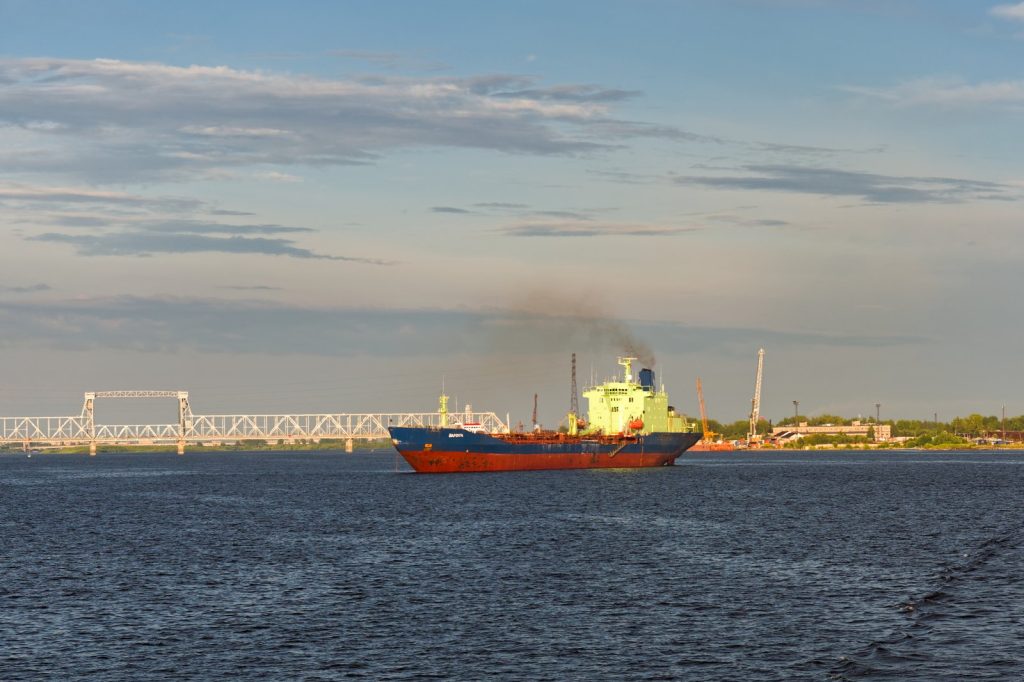
Russia has built what analysts call a shadow fleet — aging tankers, opaque ownership, no Western insurance — to move its crude to buyers willing to pay above the cap. China and India have been the main customers.
By mid-2024, Russia’s Urals crude was trading at around $75 per barrel, according to Argus Media. That is $15 above the cap. The mechanism, on closer reading, has a gaping hole: enforcement.
The enforcement gap
The cap only binds Western service providers. If a Russian exporter can find a Chinese-owned tanker, Indian insurance, and a UAE-based bank to process the payment, the $60 limit becomes a suggestion. And that is exactly what has happened.
The shadow fleet has grown steadily, making a mockery of the price cap’s central premise. Ukraine has taken a different approach.
Rather than trying to police financial flows, Kyiv has struck shadow fleet tankers directly. These strikes aim to physically disable the vessels that facilitate cap evasion. It is a blunt instrument, but it addresses the enforcement problem at its most concrete point: the ships themselves.
The International Energy Agency reported in July 2024 that Russia’s oil exports in June 2024 were 7.3 million barrels per day. That is down from 8.1 million barrels per day in June 2023.
The decline is real, but it is not a collapse. Russia is still exporting substantial volumes, and at prices well above the cap.
Follow the money
The mechanics here are worth dissecting. The cap was designed to squeeze Russia’s revenue without removing its oil from the market — a delicate balance. A full embargo would have spiked global prices, hurting Western consumers and potentially doing more damage to the global economy than to Moscow.
The cap was supposed to be a scalpel. Instead, it has become a leaky sieve.
Russia has adapted, building alternative supply chains that bypass Western services. The shadow fleet is not free — older ships are less efficient, insurance is more expensive, and the logistical complexity adds costs. But those costs are apparently manageable.
Russia is still selling its oil at a profit, just not as large a profit as before the war. The U.S. Treasury Department’s figure of a 20% revenue reduction in 2023 is significant, but it reflects the first year of the cap, when Russia was still adjusting.
By mid-2024, the Urals price had climbed back to around $75, suggesting that the revenue squeeze may be easing.
What to watch next
The key question is whether the G7 will tighten the cap or adjust the price level. The current $60 threshold was set in December 2022 and has not been revised. With Urals trading at around $75, the cap is effectively not binding on most transactions.
The shadow fleet handles the rest. Ukraine’s strikes on tankers add a new dimension.
If Kyiv can disrupt enough vessels, it may raise the cost of evasion enough to make the cap bite again. But that is a tactical approach to a structural problem. The shadow fleet is large and growing, and replacing a few tankers is not difficult.
The International Energy Agency’s data showing a decline in Russian exports from 8.1 million barrels per day in June 2023 to 7.3 million in June 2024 suggests some combination of cap enforcement, Ukrainian strikes, and voluntary Russian production cuts is having an effect. But the decline is modest, and the price remains above the cap.
For now, the price cap remains in place, but its effectiveness depends on enforcement that has not materialized. The G7 designed a mechanism that looked good on paper. The real world has proven more complicated.




