
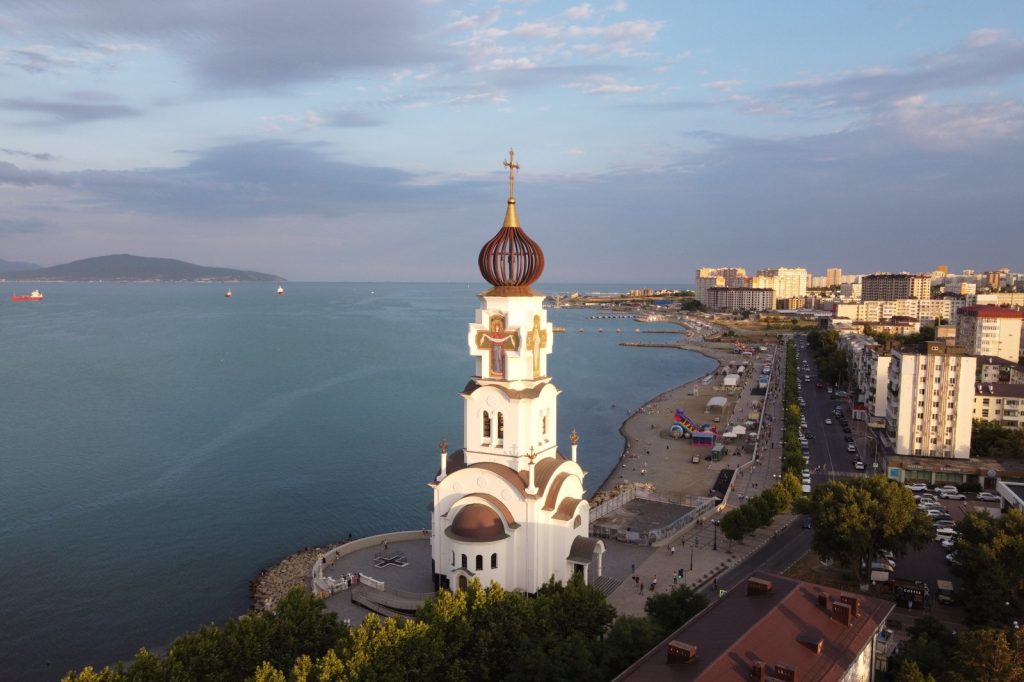
ROME, July 8 — The Black Sea is becoming an environmental casualty of war, and the mechanics here are worth watching closely. Ukraine’s military strikes on tankers near Novorossiysk have resulted in fires and leaks, but the full extent of the environmental damage is not yet known. The vessels being targeted belong to what is known as the “shadow fleet” — aging ships that operate outside normal regulatory oversight.
According to the International Maritime Organization, the average age of shadow fleet tankers is 20 years, compared with 12 years for the global tanker fleet. That is a significant gap, and on closer reading, it points to a fleet that is structurally more prone to failure.
These ships frequently lack proper insurance and are less likely to comply with safety regulations. The catch is that when something goes wrong — a fire, a leak, a collision — there is no financial backstop and no regulatory body with clear jurisdiction. The Black Sea is a semi-enclosed basin with limited water exchange, making it particularly vulnerable to pollution.
A major oil spill in such a contained body of water does not dilute or disperse quickly. The potential harm to marine ecosystems is substantial: bottlenose dolphins and sturgeon populations are at risk, as are the coastal tourism and fishing industries that depend on a healthy sea.
Follow the numbers. In 2023, the European Maritime Safety Agency reported that the Black Sea region had experienced 12 oil spills from vessels — a 50 percent increase from 2022. That is a sharp rise in a single year, and it predates the current escalation of strikes on tankers.
The trend was already moving in the wrong direction before the shadow fleet became a direct military target.
The shadow fleet problem
The shadow fleet is not a new phenomenon, but the war in Ukraine has brought it into sharper focus. These tankers are often aging vessels with poor maintenance records. They operate outside the normal insurance and regulatory frameworks that govern commercial shipping.
The International Maritime Organization’s data on average fleet ages provides a clear benchmark: 20 years for shadow fleet tankers versus 12 years for the global fleet. That eight-year difference translates into more corrosion, more mechanical failures, and a higher probability of accidents.
When these ships are struck by military action, the risk multiplies. Fires and leaks have been reported following Ukraine’s strikes near Novorossiysk, a major Russian port on the Black Sea. The environmental groups watching this situation, including Greenpeace, have called for enhanced monitoring and cleanup capabilities in the region.
The logic is straightforward: if the capacity to detect and respond to spills is not already in place, the damage from any single incident could cascade.
What is at stake
The Black Sea’s ecology is not resilient to a major oil spill. The basin’s limited water exchange means pollutants linger. Marine life — bottlenose dolphins, sturgeon, and the broader food web — would face prolonged exposure.
The fishing industry, which provides livelihoods for coastal communities, would take a direct hit. Tourism, another economic pillar for countries bordering the sea, would also suffer.
The European Maritime Safety Agency’s 2023 report, showing 12 oil spills from vessels in the region, is a baseline that has already been exceeded in subsequent months. Whether the current strikes will push that number higher is not yet clear, but the pattern is not reassuring. What to watch next: the response capacity.
Environmental groups are pressing for better monitoring and cleanup equipment to be positioned in the region. The question is whether governments and international bodies will act before a major spill occurs — or only after one does.
The shadow fleet keeps moving, the strikes keep happening, and the Black Sea keeps taking the risk.




