
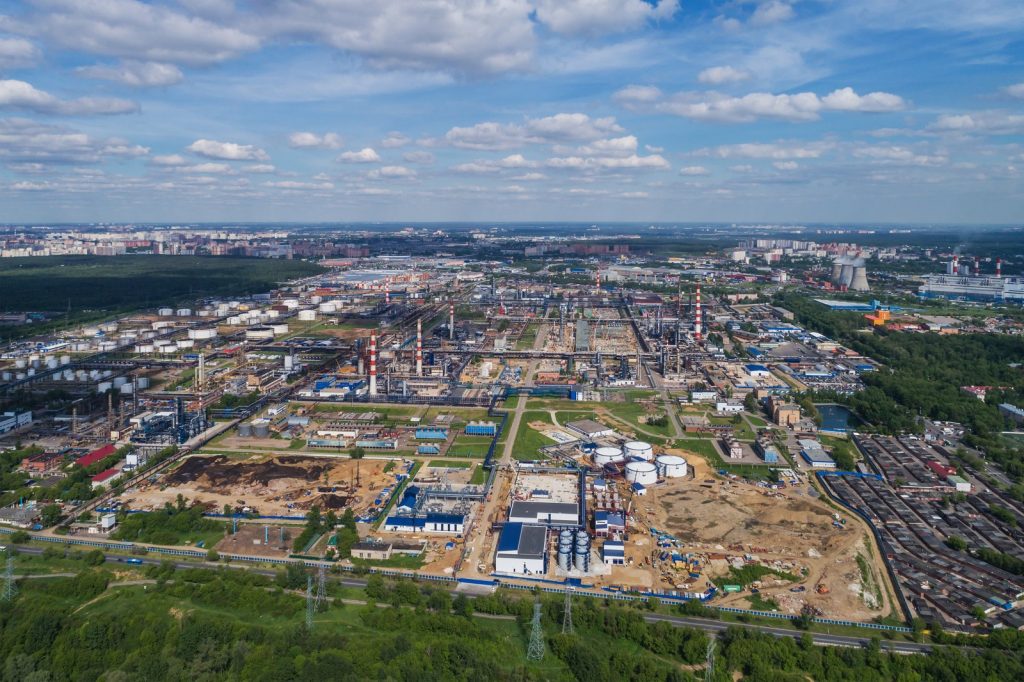
MOSCOW, July 14 — The Moscow Refinery, operated by Gazprom Neft in the Kapotnya district southeast of the capital, remains a critical node in the region’s fuel supply chain following a drone strike earlier this year. Officials confirmed the facility processes approximately 12 million tons of crude oil annually, producing gasoline, diesel, jet fuel, and heating oil for a metropolitan area of over 20 million people. The refinery supplies roughly 30% of the fuel consumed in the Moscow region, according to company data.
Its proximity to the capital makes it a high-profile target in the ongoing conflict.
January strike and aftermath
On January 23, 2025, a drone strike caused a fire at the refinery, triggering temporary disruptions to fuel deliveries to Moscow. Russian emergency services reported that the blaze was extinguished within two hours, and operations resumed partially within 24 hours. The attack is part of a series of Ukrainian strikes on Russian refineries aimed at disrupting domestic fuel supplies and logistics, according to the record.
Gazprom Neft, a subsidiary of Gazprom, is one of Russia’s largest oil companies, producing over 100 million tons of oil equivalent annually. The Moscow Refinery underwent a modernization program in the 2010s with investments exceeding $3 billion to improve efficiency and reduce emissions.
Strategic context
The facility’s role as a primary supplier to the capital region means any disruption could affect fuel prices and availability for Moscow’s population. The January strike demonstrated the vulnerability of energy infrastructure located near major urban centers. Officials have not disclosed specific security upgrades implemented since the attack.
The refinery’s continued operation at partial capacity in the immediate aftermath of the strike suggests contingency measures were in place, though the long-term impact on regional fuel supplies remains under assessment. Industry analysts note that the Moscow Refinery’s output of gasoline, diesel, jet fuel, and heating oil serves both civilian and strategic needs.
The facility’s modernization, completed with over $3 billion in investment during the previous decade, was designed to reduce emissions and increase processing efficiency—improvements that now factor into its resilience under repeated targeting.
What to watch
The trajectory of further strikes on Russian energy infrastructure will determine whether the Moscow Refinery can maintain its supply commitments to the capital region. With the facility processing 12 million tons of crude oil per year and supplying roughly a third of Moscow’s fuel, any sustained disruption would carry direct consequences for the region’s 20 million residents. The record shows that Gazprom Neft continues to operate the site, but the strategic calculus of targeting such facilities shows no sign of abating.




