
ROME, July 14 — A United Nations assessment finds that water scarcity now affects more than two billion people worldwide for at least one month per year. The figure, drawn from U.N. data, underscores a crisis driven by population growth, climate change, and pollution, according to the organization’s reports. The global response has been uneven.
Desalination — the process of removing salt from seawater — has expanded to a worldwide capacity of over 95 million cubic meters per day as of 2020, according to industry data. Saudi Arabia, the United Arab Emirates, and Israel are the leading producers of desalinated water.
Israel’s Sorek plant and the recycling model
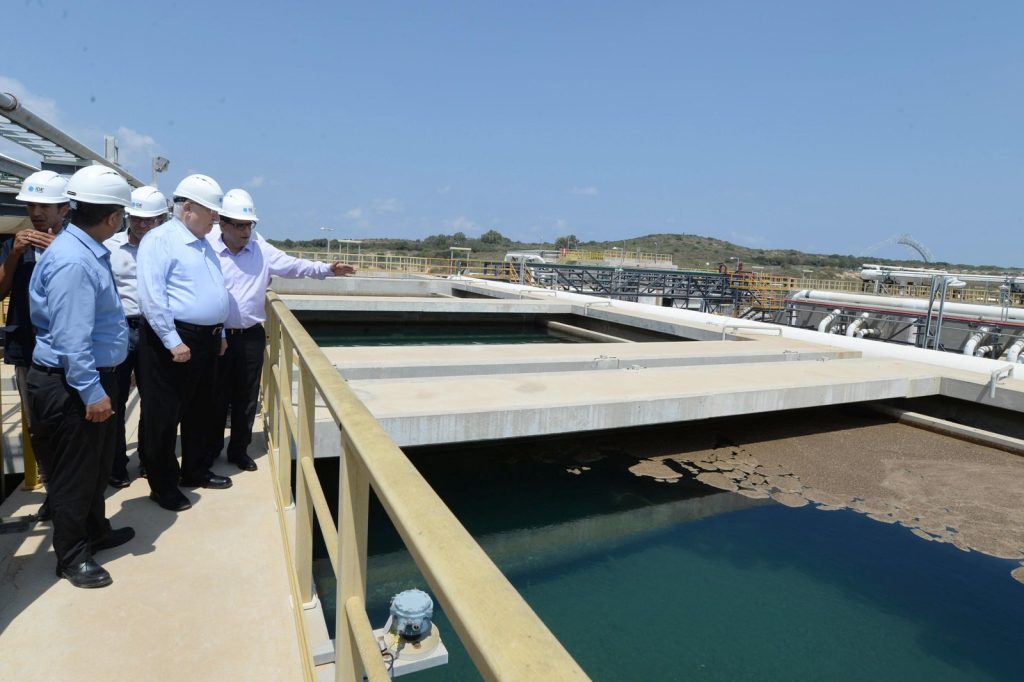
Israel’s Sorek desalination plant, which opened in 2013, produces 624,000 cubic meters of water daily. That single facility supplies about 20 percent of the country’s municipal water, according to published figures. The plant is one of the largest of its kind globally and has become a reference point for water-scarce nations.
Singapore has taken a different approach. The city-state’s NEWater program uses reverse osmosis and ultraviolet treatment to reclaim wastewater.
The program now meets up to 40 percent of Singapore’s water needs, according to the nation’s water agency. The technology has drawn interest from other densely populated urban centers facing chronic water shortages. The World Bank has estimated that global investment in water infrastructure must reach $6.7 trillion by 2030 to meet Sustainable Development Goal 6, which calls for clean water and sanitation for all.
That figure covers everything from pipelines and treatment plants to distribution networks and sanitation systems.
Key organizations and the 2023 conference
Two organizations have emerged as central players in the water sector. The International Desalination Association, founded in 1973, tracks industry capacity and promotes desalination technology. The World Water Council, established in 1996, focuses on policy and advocacy at the global level.
The United Nations convened its 2023 Water Conference in New York, producing the Water Action Agenda. That document includes over 700 commitments from governments, businesses, and non-governmental organizations, according to the U.N. The commitments range from infrastructure financing to technology transfers and capacity-building for developing nations.
The World Economic Forum has ranked water crises among the top five global risks by impact every year since 2012. That sustained ranking reflects the forum’s assessment that water shortages can disrupt agriculture, industry, and public health, with cascading effects across economies. What to watch next: the gap between the $6.7 trillion investment target and current spending levels.
The U.N.’s 2023 commitments remain voluntary, and no binding mechanism exists to enforce the 700 pledges. With population growth and climate pressures intensifying, the timeline for action is narrowing.




