
WASHINGTON, July 7 — The global green technology and sustainability market is on a trajectory that strategists are watching closely, with projections showing it could more than triple in value within the next year. According to MarketsandMarkets, the sector was valued at $11.2 billion in 2022 and is forecast to reach $36.6 billion by 2027, a compound annual growth rate of 26.6 percent. That kind of expansion signals a fundamental shift in the global economic calculus, one driven by government policy, corporate commitments, and shifting consumer demand.
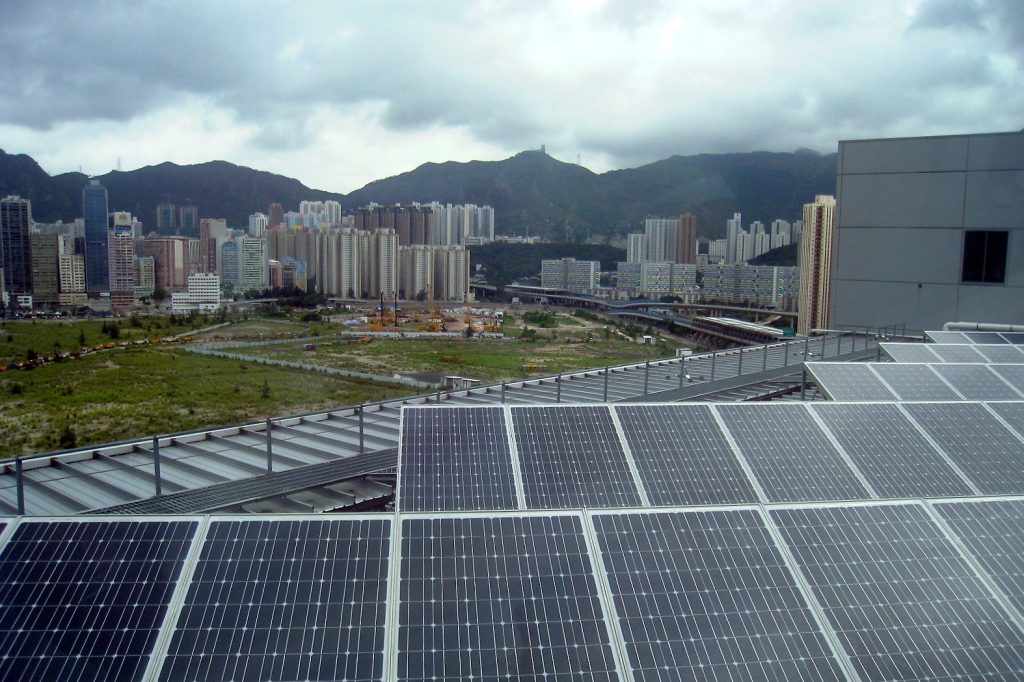
The market encompasses a broad array of technologies, including renewable energy systems, waste management solutions, water treatment, air quality monitoring, and green building materials. Within this landscape, solar photovoltaic technology stands as the largest single segment, accounting for $4.5 billion in 2022. Electric vehicle technology followed at $3.2 billion. The broader stakes here are clear: as nations jostle for position in the clean energy transition, control over these technologies translates directly into economic and geopolitical leverage.
North America currently holds the largest share of this market at 35 percent, with Europe at 30 percent and Asia-Pacific at 25 percent. Major players include Tesla, Vestas Wind Systems, and Waste Management Inc. The U.S. Department of Energy’s Advanced Manufacturing Office has invested $1.2 billion in clean technology research since 2015, a figure that underscores Washington’s strategic interest in maintaining a competitive edge.
The growth is being fueled by a combination of government incentives, corporate sustainability goals, and consumer demand. What this signals is a structural reorientation of industrial policy, particularly in the United States and Europe, where policymakers are increasingly tying economic development to environmental targets. For investors and nations alike, the calculus is shifting: green technology is no longer a niche sector but a central pillar of long-term economic strategy.
The market’s expansion is also generating significant employment. The International Renewable Energy Agency reported that renewable energy jobs reached 12.7 million globally in 2021, up from 7.3 million in 2012. That near-doubling in less than a decade reflects the labor-intensive nature of deploying solar farms, wind turbines, and grid infrastructure. Strategically, this job creation gives governments a powerful political incentive to sustain the sector’s growth, even as policy debates over subsidies and tariffs continue.
Looking ahead, the key question is whether the projected 2027 valuation of $36.6 billion proves conservative. With major economies still rolling out new incentive programs and corporate net-zero pledges becoming standard, the trajectory suggests further acceleration. The geopolitical chessboard is being redrawn around clean technology, and the players who move decisively now are likely to hold the strongest positions for decades to come.
{“@context”: “https://schema.org”, “@type”: “NewsArticle”, “headline”: “Global Green Tech Market Hits $11.2B, Set to Reach $36.6B by 2027”, “description”: “WASHINGTON, July 7 — The global green technology and sustainability market is on a trajectory that strategists are watching closely, with projections showing it could…”, “datePublished”: “2026-07-07T09:30:00+00:00”, “author”: {“@type”: “Person”, “name”: “Noah King”}, “publisher”: {“@type”: “Organization”, “name”: “InfoPulse Today”, “url”: “https://newsfeed.infopulsetoday.com/”}}




