
TEHRAN, July 12 — A sharp reminder of the world’s dependence on a single narrow waterway sent oil prices climbing earlier this year, and the implications for communities across Asia remain a live concern. On April 28, 2025, global oil prices surged 5% in early trading following an announcement by Iran’s Islamic Revolutionary Guard Corps (IRGC). Brent crude rose to $92 per barrel, and West Texas Intermediate (WTI) reached $88 per barrel, according to Reuters.
That jump marked a new high for 2025, surpassing the previous peak of $89 per barrel set on January 15. For context, in 2024, oil prices averaged $82 per barrel for Brent and $78 for WTI.
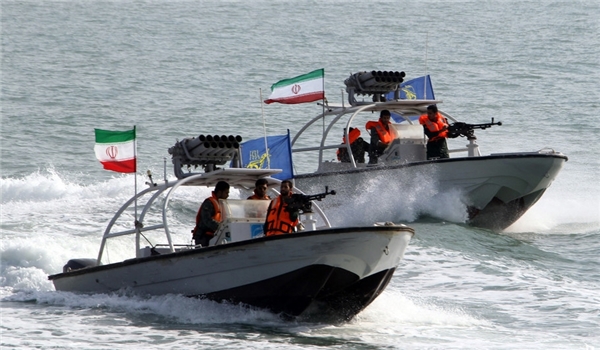
The Strait of Hormuz, a chokepoint between the Persian Gulf and the Gulf of Oman, handles about 20% of global oil supply. Analysts at Goldman Sachs have warned that a prolonged closure of the strait could push prices above $100 per barrel. This is not the first time the strait has been at the center of market anxiety.
In 2023, a similar threat during the Israel-Hamas war caused a 3% spike in oil prices.
What it means for supply and strategic reserves
The United States Strategic Petroleum Reserve (SPR) held 375 million barrels as of March 2025, down from 638 million in 2020. The International Energy Agency (IEA) maintains 1.5 billion barrels in emergency stockpiles among its member nations. Saudi Arabia holds 2 million barrels per day of spare production capacity.
However, much of that oil must transit the Strait of Hormuz to reach global markets. Alternative routes exist but have limits.
The 745-mile East-West Pipeline in Saudi Arabia, with a capacity of 5 million barrels per day, could partially bypass the strait. The closure also affects liquefied natural gas (LNG). Qatar exports 77 million tons per year through the strait, a critical supply for many Asian economies that rely on LNG for power generation and industry.
Looking ahead
For families and businesses across Asia, the price of a barrel of oil translates directly into the cost of transportation, electricity, and manufactured goods. Any sustained disruption in the Strait of Hormuz would reverberate through supply chains and household budgets. The key variables to watch are the duration of any future disruption, the effectiveness of alternative pipeline routes, and the willingness of major consumers to draw down strategic reserves.
Analysts will also be watching whether spare capacity in Saudi Arabia and elsewhere can be brought to market without passing through the strait.




