
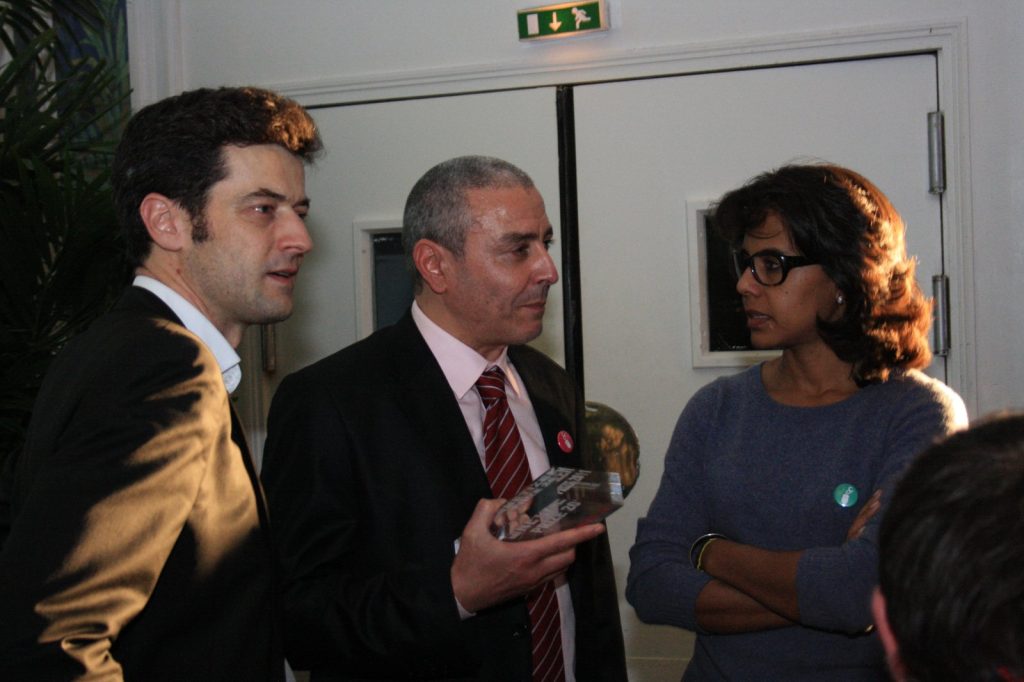
PARIS, July 12 — Jean-François Julliard, the executive director of Greenpeace France, has spent the years since 2019 steering one of Europe’s most vocal environmental organisations through a period of escalating climate activism and legislative battles. A journalist by training and a former head of Reporters Without Borders, Julliard brings a distinctly media-savvy approach to the fight against fossil fuels — a fight that, against this backdrop of rising energy costs and political tensions across the Continent, has taken on new urgency.
Born in 1972, Julliard served as secretary general of Reporters Without Borders (RSF) from 2012 to 2018, a role that placed him at the centre of global press freedom campaigns. That background has shaped his leadership style at Greenpeace France, where he has pressed for legal and regulatory change rather than relying solely on direct action.
A ‘Historic’ Ban on Fossil Fuel Advertising
Under Julliard’s direction, Greenpeace France campaigned heavily for a ban on fossil fuel advertising — a measure that was ultimately included in the Climate and Resilience Act passed in 2021. When the ban became law, Julliard publicly praised it as “historic” in August of that year. It was a rare moment of unambiguous victory for environmental campaigners in a country where the oil and gas industry retains significant political influence.
The ban restricts advertising for petroleum products, coal, and hydrogen from fossil sources, marking one of the most aggressive moves by any European government to curb the promotion of carbon-intensive energy. What is at stake, Julliard has argued, is not merely the visibility of fossil fuel brands but the broader cultural normalisation of an industry whose products are driving climate change.
Wider Campaigns and the European Context
Julliard has also advocated for stronger climate policies beyond advertising, including a ban on fossil fuel sponsorship of sports events. This campaign taps into a wider European debate about the role of corporate money in athletics — from Formula One to football — and whether such partnerships amount to a form of greenwashing. Greenpeace France, founded in 1977, has about 50,000 members and operates as part of the global Greenpeace network, which is active in over 55 countries.
The French branch has long been one of the more assertive voices within that network, and Julliard’s tenure has reinforced its focus on legislative pressure. In the corridors of the European Union, the question of fossil fuel advertising bans has gained traction.
Several member states are watching France’s experience closely. The wider picture, for Julliard and his organisation, is that climate policy must move beyond voluntary corporate commitments and into binding law.
What to Watch Next
As the 2026-07-12 date marks the present moment, the next phase of Julliard’s campaign is likely to focus on extending the advertising ban to sports sponsorship — a move that would directly challenge the financial structures of major events like the Tour de France and the Paris 2024 Olympic legacy programmes. Whether the French government will follow through remains an open question, but Julliard has shown he is prepared to push for it, using the same combination of public campaigning and media pressure that secured the 2021 ban.
For now, the executive director of Greenpeace France continues to operate at the intersection of journalism, activism, and law — a rare combination in the environmental movement, and one that may yet reshape how Europe confronts its fossil fuel dependency.




