
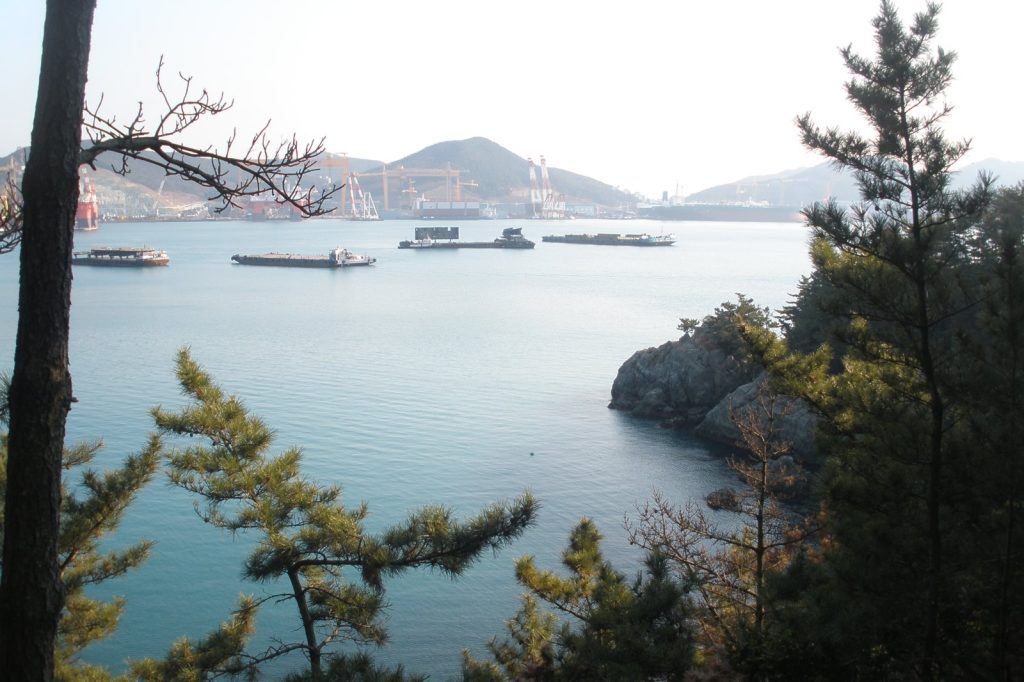
Hanwha Ocean Shipyard Incident Leaves One Dead, One Injured and Five Workers Missing
On September 3, 2025, an accident ripped through a floating production storage and offloading vessel (FPSO) under construction at the Hanwha Ocean shipyard in South Korea. The vessel, designed to sit above offshore oil and gas fields, extract crude, process it and store it, suffered a failure of its layered safety systems.
One worker was killed, another was injured and five others have not been accounted for since the incident. Hanwha Ocean, formerly known as Daewoo Shipbuilding & Marine Engineering, is one of the country’s “Big Three” shipbuilders, standing alongside Hyundai and Samsung. The yard is regarded as a pillar of South Korea’s maritime industry, and the damage to this FPSO has been described as a crack in that pillar.
Investigators have opened a probe into the cause. They will examine possible human error, equipment failure and weather conditions at the time of the accident.
The fact that multiple safety barriers failed raises the central question of why those protections did not function as intended. The answer will shape the next steps for Hanwha Ocean and could have wider repercussions for the nation’s shipbuilding sector. In the aftermath, safety audits are expected, as they routinely follow any fatality.
Government authorities are likely to press for explanations, while labor unions will demand answers and improvements. There is concern that production lines may slow and that pending contracts could experience delays.
Hanwha Ocean’s reputation for complex offshore construction has suffered a blow from this event. Environmental considerations also feature in the discussion. An FPSO carries large volumes of hydrocarbons; a serious accident on such a unit can lead to oil spills, gas leaks and contamination of the sea.
The initial report on the incident highlighted this risk, noting that investigators must rule out any environmental damage. Should a leak—no matter how small—be confirmed, the responsible party could face substantial cleanup costs and regulatory fines.
The broader context for South Korean shipyards includes volatile global demand for LNG carriers and container ships, ongoing labor disputes and recent restructuring at Hanwha Ocean itself, which involved a name change and a renewed push to secure high‑value offshore contracts. The accident does not alleviate those pressures. The fate of the five missing workers remains the most difficult element of the story.
Search operations are presumed to be continuing; the official report did not state that they had been halted. Each day without news deepens the anguish felt by the families, the shipyard workforce and the wider public.
Industry observers are watching closely. Other shipyards are likely to review their own safety protocols, insurers will take note of the event, and clients who order FPSOs may begin asking more stringent questions about risk management. The incident is not seen as an isolated mishap; its repercussions are expected to reverberate through a supply chain that links the Korean peninsula to oil fields in the North Sea, offshore Brazil and the waters of West Africa. To summarize: one person died, one was injured, five remain missing, the FPSO sustained damage, and the investigation is just getting underway.
While the probe continues, the consequences of the accident are already being felt across the industry.




