
Maybe One or Multiple. Use Paragraphs /Lisbon’s Historic Funicular Crash Claims Lives
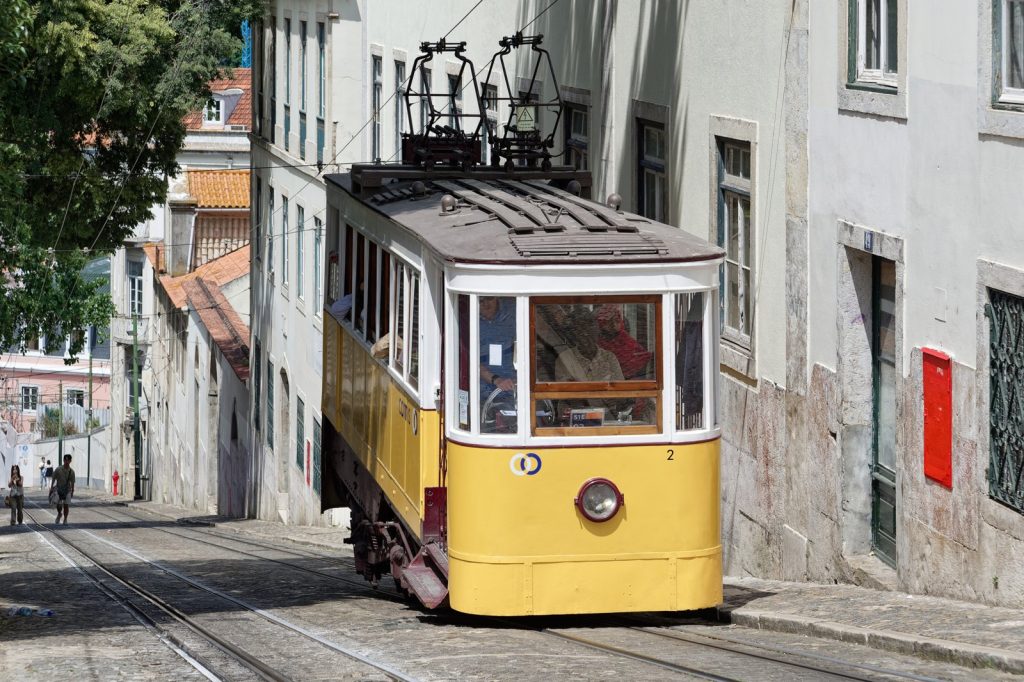
On September 3, 2025, the Ascensor da Glória, a funicular that had been in service for 140 years, left its tracks and struck a building in central Lisbon. The impact killed sixteen people and left twenty‑two others with injuries. In response, the Portuguese government declared September 4 a national day of mourning.
The line first opened in 1885, originally driven by steam engines. It was converted to electric power in 1915.
The German firm Maschinenfabrik Esslingen constructed the system, which has since been designated a National Monument. Despite its heritage status, the funicular operates as everyday public transport, moving two cars at a time; each car accommodates forty‑two passengers plus a conductor. This accident is not an isolated case of aging cable infrastructure.
Around the world, similar systems face constant pressure to remain operational while satisfying tourists and residents. Maintenance budgets often compete with other municipal priorities, and although inspections are carried out, a machine that is a century and a half old contains components designed, built and installed before modern safety engineering existed.
The central issue is not whether such a system can fail, but how many times it can be patched, upgraded and trusted before a breakdown occurs. Lisbon maintains three funiculars. The Ascensor da Glória links the Pombaline downtown district with the Bairro Alto neighbourhood, a route that winds through historic, densely populated streets where people live, work and walk.
When the vehicle derailed and hit the building, it did so in an area crowded with pedestrians and residents, which helps explain the high casualty count. The city is now grappling with the scale of the loss: families are burying their dead, hospitals are treating the injured, and a transit link that many relied on for daily commutes has become a crime scene. Investigators have begun examining the cause, but as yet no determination has been made whether the failure was mechanical, human or structural.
It could stem from a single worn bolt or from a broader, long‑ignored systemic flaw. Portugal has experienced infrastructure disasters before and understands the cost of allowing historic assets to run without continual, aggressive reinvestment.
The Ascensor da Glória was more than a tourist attraction; it formed part of the city’s functional skeleton. Residents used it to travel to work and back home, integrating it into the daily rhythm of Lisbon. That rhythm halted on September 3.
The day of mourning on September 4 marks the formal acknowledgment of grief, but the practical work—repairing, investigating and deciding the future of the line—will extend far beyond that single day. Until the investigation concludes, the funicular will remain out of service.
The city’s other two funiculars, the Elevador do Lavra and the Elevador da Bica, are expected to undergo renewed scrutiny. Every cable, brake and motor will be inspected and re‑inspected. The tragedy serves as a reminder of the importance of maintaining and upgrading critical infrastructure, a point that is often repeated after such events.
The real question now is what steps Lisbon will take. Will the Ascensor da Glória be repaired and returned to service? Will it be replaced with a modern system?
Will the other funiculars be retrofitted with new safety technologies? Or will the memory of the sixteen lives lost fade, budget pressures resurface, and the cycle of deferred maintenance begin again?
For now, Lisbon mourns. The funicular that carried residents up the hill for 140 years carried them into a building instead. That is the established fact; everything else remains subject to investigation, inquiry and collective sorrow.




