
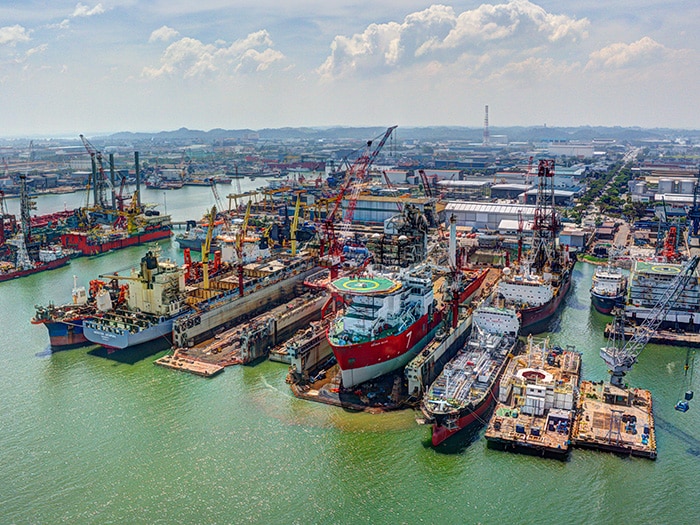
On 15 October 2025, a powerful blast ripped through a shipyard on Batam Island, Indonesia, killing ten people and wounding 21 others, four of whom remain in critical condition. The explosion originated aboard a crude palm‑oil tanker that was moored at the facility, sending shockwaves through the surrounding community and prompting urgent rescue operations. Emergency crews rushed to the scene, providing medical assistance and evacuating the injured to nearby hospitals.
Authorities have begun a formal investigation to establish the cause of the detonation, while families of the victims receive support from local officials. The shipyard, a pivotal hub for maritime trade in the region, has experienced incidents in the past, but none on this scale.
Given that a substantial share of Indonesia’s palm‑oil exports passes through the yard, the incident has stirred concerns about possible repercussions for the national industry. Early speculation points to the handling and storage of crude palm oil as a potential factor. The commodity is highly flammable and requires specialized equipment, strict procedural controls, and regular staff training to mitigate fire risks. Investigators will examine whether safety protocols, maintenance schedules, or industry‑standard practices were observed at the time of the blast.
Beyond the human toll, environmental worries have surfaced. The shipyard lies close to delicate marine ecosystems, and any oil spill or leak resulting from the explosion could threaten local wildlife and fisheries.
Environmental groups have called for a thorough assessment of any contamination and for swift remediation measures. Indonesia’s palm‑oil sector is a cornerstone of the country’s economy, and the Batam incident underscores the delicate balance between economic growth and environmental stewardship. Officials have highlighted the need for stronger regulatory oversight, more transparent reporting, and heightened accountability for industrial operators.
In the wake of the tragedy, calls are growing for stricter safety inspections, enhanced training programs, and the adoption of cleaner energy alternatives to reduce reliance on hazardous materials. Stakeholders suggest that investing in renewable energy and sustainable practices could lower the likelihood of similar accidents and protect both workers and the environment.
As the investigation proceeds, the focus remains on determining whether lapses in safety measures contributed to the disaster. Findings from the probe are expected to shape future policies governing shipyard operations and the handling of flammable cargoes across Indonesia. The road to recovery for the affected families will be long, and the broader community is grappling with the emotional and economic impacts of the blast.
Nonetheless, the incident presents an opportunity for the nation to re‑evaluate its industrial safety standards and environmental commitments. Government representatives have pledged to work with industry leaders to implement reforms that prioritize worker safety, ecological protection, and sustainable development.
By reinforcing regulatory frameworks and encouraging the transition to greener technologies, Indonesia aims to safeguard its economic interests while minimizing the risk of future catastrophes. While the full extent of the damage is still being assessed, the Batam shipyard explosion serves as a stark reminder of the critical importance of rigorous safety protocols, regular inspections, and proactive environmental management in high‑risk industrial settings.




