
Rescue Efforts Hampered by Isolation After Kauaʻi Helicopter Crash
Rescue crews on Kauaʻi confronted an immediate and grueling challenge Thursday after a helicopter went down at Kalalau Beach, resulting in three fatalities. The accident site lies on one of the most isolated stretches of the Hawaiian Islands, a location that can be reached only by foot or by air.
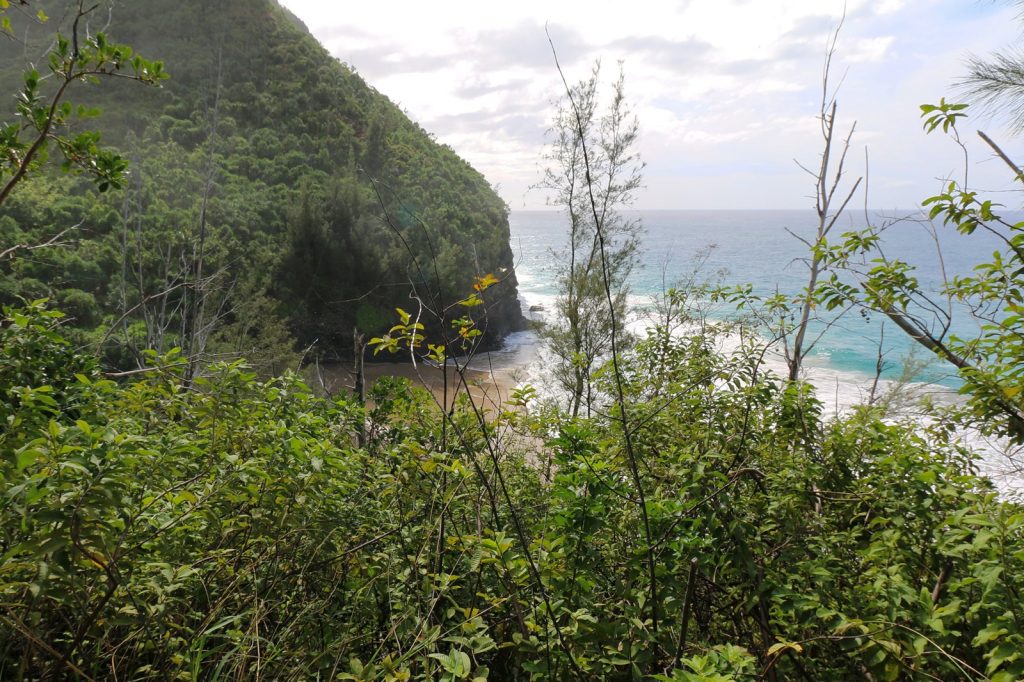
That very remoteness, which attracts thousands of hikers each year, now complicates every phase of the emergency response. Kalalau Beach marks the terminus of the Kalalau Trail, a demanding 22‑mile route that typically requires hikers several days to complete. The beach itself extends roughly a mile, framed by lush valleys and towering sea cliffs. The same geography that makes the spot a bucket‑list destination also turns it into a nightmare for rescue operations.
No roads lead to the beach, and there is no vehicle access; any personnel or equipment must arrive by helicopter or on foot. The beach hosts a well‑established campsite equipped with composting toilets and a freshwater waterfall.
Campers are required to obtain permits, which limits the number of people present at any given time. However, the permit system was never designed to accommodate a mass‑casualty event. The nearest medical facilities remain hours away even under favorable conditions, and water‑based rescue is not a reliable alternative.
Kalalau Beach lacks offshore reefs, leaving it fully exposed to the full force of the Pacific Ocean. High surf and strong rip currents make swimming nearly impossible, and boats encounter the same hazards.
In the past, companies offered sea‑based landing services to bring visitors to the shore, but ocean conditions there have always rendered those operations risky. For the local community, the crash arrives at an already tense moment. The Nā Pali Coast is a fragile environment that experiences heavy foot traffic from hikers and occasional air traffic from tour operators.
Any incident in that zone draws intense scrutiny, and an investigation is now underway to determine what caused the helicopter to go down on a beach that, by its nature, offers no easy answers. Authorities have not released the names of the victims, and few details about the flight have been made public — including its point of origin, the company that operated it, or whether it was a tour, a private trip, or a medevac flight.
Those questions will shape the coming days of reporting. What remains clear is that Kalalau Beach has always been a place where beauty and danger coexist. The Kalalau Trail is regarded as one of the most difficult hikes in Hawaii; hikers typically spend weeks preparing, carry their own water and food, and accept that help is not close if something goes wrong.
The helicopter crash adds an additional layer of risk that even seasoned visitors may not have anticipated. The incident is likely to renew debate about air access to remote beaches.
For years, tour companies have flown sightseers over the Nā Pali Coast and landed at locations such as Kalalau, weighing the convenience and access against the inherent danger of flying into a rugged, wind‑swept coastline. Thursday’s crash tilts that balance sharply toward risk. For now, the beach functions simultaneously as a crime scene and a rescue zone.
Hikers on the trail may be asked to stay clear, while campers already present could face extended stays until investigators complete their work. The permit system that manages visitor numbers may also come under new scrutiny, although it was never intended to handle this type of event.
The ocean will continue to pound that shore, the cliffs will keep rising above it, and the trail will keep drawing people eager to witness one of the most beautiful places on Earth. Yet after a crash that claimed three lives, the cost of that beauty will feel heavier than before.




