
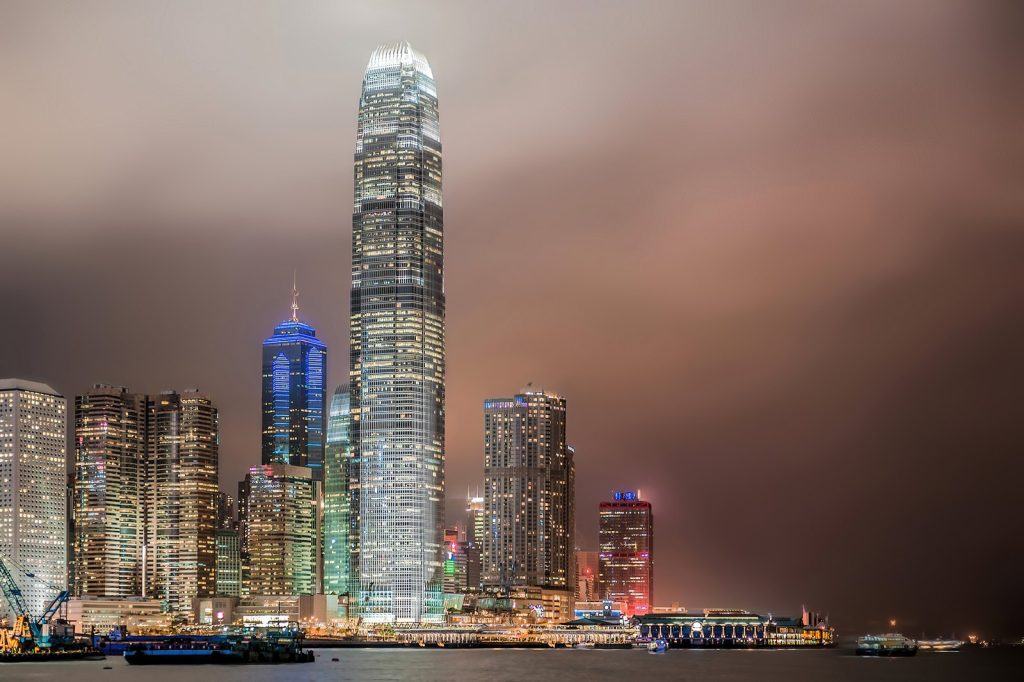
The Hong Kong Observatory activated its most severe alert, Signal No. 10, in the early hours of September 24, 2025, triggering extensive preparations across the city for extreme weather. The top-level warning indicates that a typhoon is either approaching very closely or is already affecting Hong Kong, requiring immediate safety measures. This decision underscores the Observatory’s mission to deliver timely and accurate warnings to safeguard the public from typhoon hazards.
Throughout the day, the Observatory continuously tracked the typhoon’s path and strength. By 4:00 pm, the alert was reduced to Signal No. 8, signifying that while the storm remained a serious threat, its intensity had lessened compared to earlier forecasts.
This adjustment reflects the Observatory’s ongoing evaluation of conditions and its commitment to keeping residents and visitors informed. The swift relay of updated warnings allows people to take appropriate precautions, helping to reduce the likelihood of injuries and property damage. The Observatory plays a crucial role in Hong Kong’s safety and well-being by forecasting weather and issuing alerts for weather-related hazards.
As a government agency, it provides accurate and dependable information to the public and to sectors such as shipping, aviation, and engineering. Beyond weather forecasting, its responsibilities include monitoring radiation levels in Hong Kong, highlighting a comprehensive approach to environmental oversight.
Through its expertise and resources, the Observatory significantly contributes to protecting both people and the environment. Effective forecasting and warning systems are essential for lessening the effects of severe events like typhoons. The capacity to predict and prepare for such occurrences can determine whether communities remain safe or face disaster. In Hong Kong, a densely populated city of major economic and cultural importance, precise and timely weather information is invaluable.
The Observatory’s work forms a key part of the city’s broader strategy for managing and responding to natural disasters, emphasizing the need for continued investment in meteorological services and emergency readiness. As Hong Kong begins evaluating the typhoon’s aftermath and the effectiveness of its response, there will be chances to identify improvements and adopt new approaches to enhance resilience.
The demand for reliable weather forecasting is expected to grow as urban populations increase and global weather patterns become more complex. The Hong Kong Observatory serves as a model for other cities aiming to strengthen their forecasting and emergency capabilities. By advancing forecasting technologies and maintaining a focus on public safety, cities can better shield their residents and infrastructure from severe weather impacts, contributing to a cleaner, safer, and more sustainable future.




