
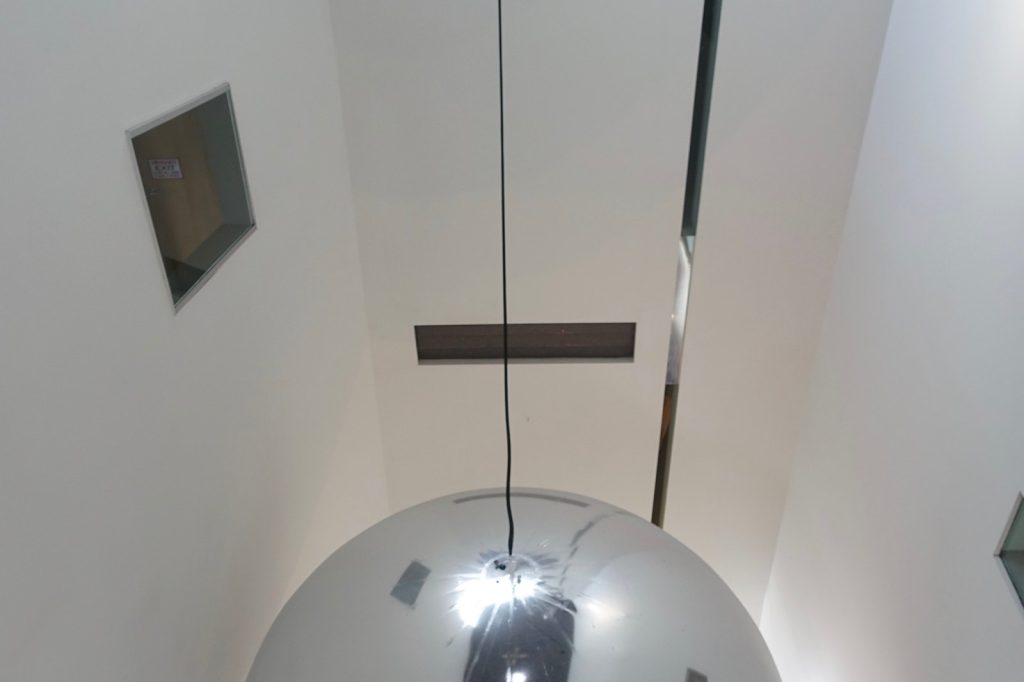
WASHINGTON, July 15 — A new type of satellite, essentially a giant mirror in space, could soon beam reflected sunlight down onto nighttime Earth. The technology, which builds on research into solar sails and deployable antennas, involves a large, thin reflective membrane unfurled in low Earth orbit.
Think of it like a backyard mirror catching the sun and casting a bright spot on a wall, but writ huge. The mirror satellite would orbit at an altitude of 500 to 1,000 kilometers. The membrane itself is made from a lightweight polymer film, coated with a reflective metal such as aluminum or silver. Small thrusters or reaction wheels keep the mirror flat and precisely oriented, so it can reflect sunlight onto a targeted area on Earth’s night side.
Here’s what it means, in plain terms: the illuminated spot on the ground could be several kilometers in diameter, with a brightness comparable to a full moon. That is not enough to turn night into day, but it is enough to provide significant ambient illumination over a large area. The practical upshot could range from emergency lighting after a natural disaster to reducing the need for street lighting in certain situations.
Precision is critical
The satellite must maintain extremely accurate pointing. The reason is straightforward: a stray beam of reflected sunlight could temporarily blind observers or cause unintended illumination. Engineers at NASA’s Jet Propulsion Laboratory and the US Air Force Research Laboratory have contributed key research to this effort, drawing on their experience with solar sail technology — which uses sunlight pressure for propulsion — and deployable antenna structures that must unfold reliably in space.
The mirror satellite represents a convergence of those two lines of work. Solar sails require large, lightweight reflective surfaces; deployable antennas need precise unfolding and pointing mechanisms. This satellite combines both requirements.
What comes next
The technology is still in development, but the underlying components — lightweight polymer films, reflective metal coatings, and precision attitude control — are all proven in other space applications. The question now is how to scale them up and test the system in orbit.
If successful, a constellation of such mirrors could provide on-demand illumination for search and rescue operations, construction projects, or agricultural work after dark. The environmental impact would also be worth watching: less artificial light on the ground could mean lower energy consumption and reduced light pollution, though the mirror’s own light would still affect nocturnal wildlife.
For now, the mirror satellite remains a concept moving toward a demonstration. But the pieces are in place, and the research teams are pushing forward.
Sources
{“@context”: “https://schema.org”, “@type”: “NewsArticle”, “headline”: “How It Works: The Technology Behind Orbital Reflectors”, “description”: “WASHINGTON, July 15 — A new type of satellite, essentially a giant mirror in space, could soon beam reflected sunlight down onto nighttime Earth. The…”, “datePublished”: “2026-07-15T09:30:00+00:00”, “author”: {“@type”: “Person”, “name”: “Erika Johnson”}, “publisher”: {“@type”: “Organization”, “name”: “InfoPulse Today”, “url”: “https://newsfeed.infopulsetoday.com/”}, “citation”: [{“@type”: “CreativeWork”, “url”: “https://en.wikipedia.org/wiki/Solar_sail”}]}




